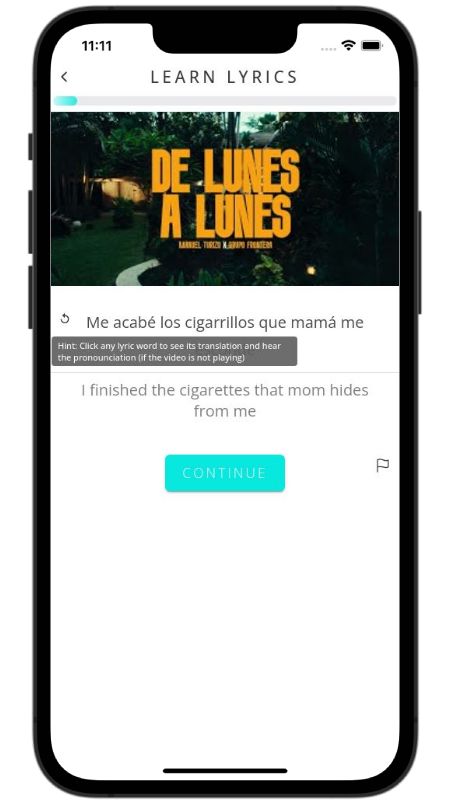
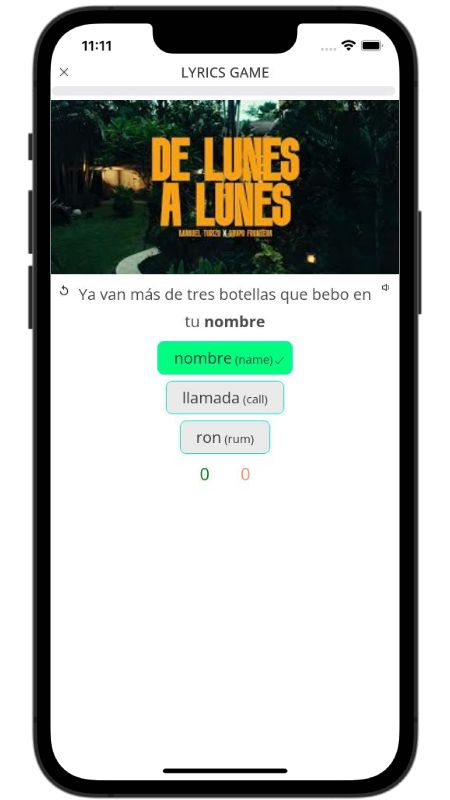
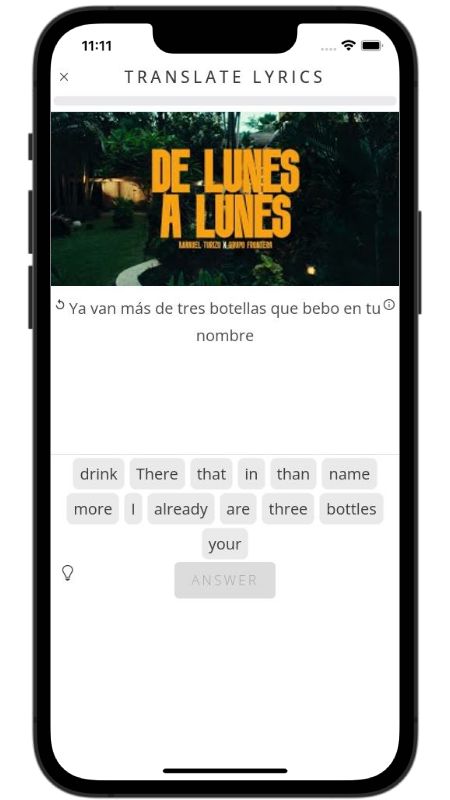
DE LUNES A LUNES Lyrics in English by Grupo Frontera, Manuel Turizo
Despecho is a powerful Spanish word that means "spite" or "heartbreak," but it carries a much deeper cultural weight. It describes the specific, intense pain and bitterness felt after a romantic rejection or betrayal.
In the song, the singer says, "Me he vuelto amigo del ron y el despecho" (I've become friends with rum and heartbreak). This perfectly captures the song's theme, as "despecho" is often associated with drowning one's sorrows, a central concept in this and many other Latin heartbreak anthems.
We have all been there: it is late at night, you have had one drink too many, and suddenly calling your ex seems like a brilliant idea. In "DE LUNES A LUNES", Grupo Frontera and Manuel Turizo turn that exact moment into a full-blown heartbreak anthem. The narrator is spiraling after a breakup, smoking hidden cigarettes and drinking non-stop from Monday to Monday ("Y me tienes tomando de lunes a lunes" [And you have me drinking from Monday to Monday]). Even though he knows it is past midnight and definitely not the right hour to dial ("Ya sé que es de madrugada / Que no son horas de llamada" [I know it's the middle of the night / That these aren't calling hours]), he cannot stop himself from begging for another chance.
The drama here is petty and honest. Instead of taking all the blame, he admits he messed up but calls out his ex for trusting gossip and jealousy instead of talking it out ("A ti te ganaron el chisme y los celos" [Gossip and jealousy got the best of you]). To make matters worse, he has befriended despecho (a Spanish concept mixing spite, grief, and the bitter sting of romantic rejection) and rum to cope with his insomnia. He even hallucinates his former lover's face in the clouds ("Si miro hacia el cielo, te dibujan las nubes" [If I look up at the sky, the clouds draw you]). It is a messy, late-night confession about owning up to shared mistakes while completely failing to move on.