Cantantes Lyrics in English by Ciudad Jara
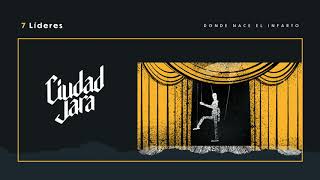
Titiritero literally translates to "puppeteer". It's a charming and somewhat whimsical word that isn't commonly found in song lyrics, making it stand out.
In the context of the song, the line "Y el abrazo de un titiritero" (And the hug of a puppeteer) evokes a sense of comfort, perhaps even a nostalgic or childlike innocence. It suggests a connection to storytelling, artistry, and a gentle, guiding presence, adding a unique and memorable image to the lyrics.
Ciudad Jara's "Cantantes" is a fascinating look into the world of artists, or "cantantes" [singers], and the unique space they inhabit. The song starts by describing how they "Guardan en los bosques de las noches sucias ritos del insomnio" [keep in the forests of dirty nights insomnia rituals] and make "Pactos con demonios" [pacts with demons]. It's a really vivid image of artists drawing inspiration from the shadows and the unconventional.
Then, the song challenges us to imagine what we think of these artists: "Pon que viven en la luna los cantantes" [Suppose singers live on the moon] or "Pon que escriben de caprichos y de cosas sin valor" [Suppose they write about whims and worthless things]. But then it hits you with the idea that we, the listeners, are taking "drogas deliciosas con sabor a insumisión" [delicious drugs with a taste of insubordination] from their work. It's like the music itself is a rebellious, intoxicating force. The lyrics also touch on personal struggles, with lines like "Mi enemigo está en el centro de mi ombligo" [My enemy is in the center of my navel], suggesting an internal battle. It's a cool exploration of the artist's life, the power of their words, and the impact they have on us.