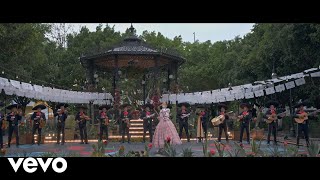
Te Lo Pido Por Favor Lyrics in English by Natalia Jiménez, El Bebeto
Virtud translates to "virtue" in English. It's a word that carries a sense of moral excellence and positive character traits, making it stand out from more common vocabulary.
In the song, the lyric "Ser muy bueno es tu virtud" (Being very good is your virtue) highlights the singer's deep admiration for the other person's inherent goodness. It emphasizes a profound appreciation for their positive qualities, making it a meaningful and memorable word in the context of the song's emotional plea.
Natalia Jiménez, an amazing artist from Spain, teams up with El Bebeto for "Te Lo Pido por Favor," a song that's all about deep devotion and a plea to never be left alone. It's like a heartfelt conversation with someone incredibly important, someone who provides guidance and care. The lyrics, "Necesito cuidados, necesito de ti" [I need care, I need you] and "No me dejes ir solo, necesito de ti" [Don't let me go alone, I need you], really highlight this intense need for their presence.
What I love about this song is how it expresses such profound gratitude and dependence. The singer acknowledges, "Tú me sabes bien guiar, tú me sabes bien cuidar" [You know how to guide me well, you know how to take care of me well], and wonders how to repay such goodness: "Cómo te puedo pagar todo lo que haces por mí" [How can I pay you back for all you do for me?]. The ultimate offering is their very life: "Ten mi vida, te la doy" [Have my life, I give it to you]. But the core of the song, repeated with such urgency, is the plea: "Pero no me dejes nunca, nunca, nunca, te lo pido por favor" [But don't ever leave me, ever, ever, I beg you please]. It's a powerful and emotional declaration of needing someone so much that the thought of them leaving is unbearable.