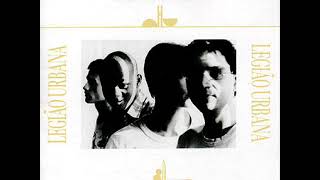
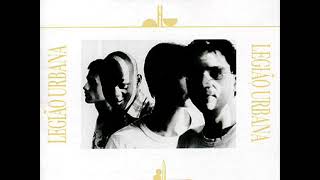
Andrea Doria Lyrics in English by Legião Urbana
Naufragio literally translates to "shipwreck". It's a powerful and dramatic word that you don't hear in songs every day.
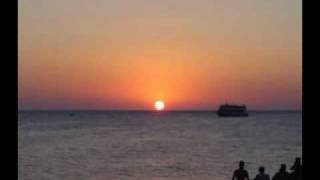
While not explicitly in the provided lyrics, "Andrea Doria" is the name of a famous Italian ocean liner that sank in 1956. The song's title itself is a direct reference to this historical shipwreck, making the concept of naufragio central to its meaning and a strong, evocative choice for enticing learners.
This one is named after a ship that never finished its crossing, and the lyrics never mention water at all. They're about a similar kind of wreck. The song opens on a couple so sure of themselves they thought believing hard enough was enough: "Teríamos o mundo inteiro e até um pouco mais" [We would have the whole world and even a little more], "Faríamos floresta do deserto" [We would make a forest from the desert]. That confidence curdles fast. By the second verse the same plan sounds like a joke: "Às vezes parecia que era só improvisar" [Sometimes it seemed that it was just improvising], and the reveal lands flat: "Eu sei é tudo sem sentido" [I know it's all meaningless].
What's left isn't despair, though. It's a shrug that took some getting used to. "Nada mais vai me ferir, é que eu já me acostumei" [Nothing else will hurt me, it's just that I've already gotten used to it] admits the toughness is armor, not peace. The closing lines settle for less and mean it: "Tenho o que ficou, e tenho sorte até demais" [I have what remained, and I have too much luck]. It's a breakup song that skips the fight and goes straight to two people quietly agreeing the wreck already happened.