Rey Sin Reina Lyrics in English by Julión Álvarez y su Norteño Banda
Espinita is the diminutive of espina, literally meaning "little thorn". It's a beautiful and common metaphor in Spanish for a lingering pain or a bittersweet memory that you can't get rid of.
In the song, the artist sings "Serás esa espinita que jamás podré sacarme" (You'll be that little thorn that I can never remove). He uses this word to describe how the memory of his lost love remains with him, like a small, sharp object stuck in his heart. It perfectly captures that feeling of a persistent, nagging emotional wound.
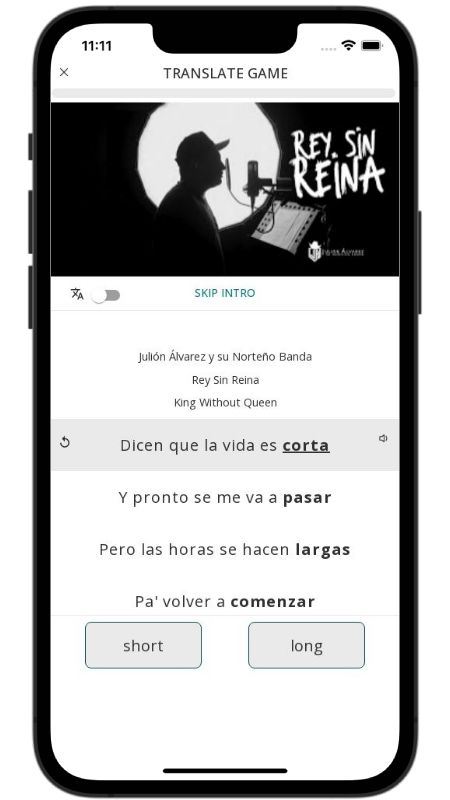
This song is a classic heartbreak anthem from Julión Álvarez, and it gets right to the point. The singer is dealing with a painful breakup, and time is dragging. He sings, "Dicen que la vida es corta... Pero las horas se hacen largas" (They say life is short... But the hours feel so long). He knows he has to accept that he wasn't the one, but it hurts like hell, admitting "Este adiós no va a matarme / Pero cómo va a doler" (This goodbye won't kill me / But oh, how it's going to hurt).
He uses some really powerful images to describe how incomplete he feels without his partner. He sees himself as "ese rompecabezas que le faltan piezas" (that jigsaw puzzle with missing pieces) and, even more dramatically, "Un vil payaso con la cara de tristeza" (A wretched clown with a sad face). The main idea is right in the title: he feels like "Un rey sin reina" (A king without a queen). He knows he'll never fully get over her, calling her "esa espinita que jamás podré sacarme" (that little thorn I can never remove). It's a song about accepting a painful ending and living with the memories, even when it's tough.