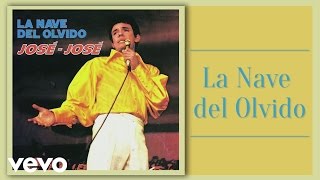
Soy Así Lyrics in English by José José
Títere translates to "puppet". It's an evocative word that immediately brings to mind images of control and manipulation, making it quite memorable.
In "Soy Así," José José uses títere to assert his independence, singing, "Nunca seré tu ángel del edén, menos tu títere" (I will never be your angel of Eden, much less your puppet). He's declaring that he won't be controlled or molded by anyone else's expectations, emphasizing his authentic and unchangeable nature.
Get ready to meet José José, the "Prince of Song," in one of his most honest moments! In "Soy Así" [I Am Like This], he's having a very direct conversation with someone who seems to have some big expectations. He tells them, "Eso que tú me pides es imposible" [What you ask of me is impossible], making it clear he's not the perfect person they might imagine.
He really emphasizes that he's not meant to be put on a pedestal, saying, "No sirvo para estar en un altar, ni ser tu ídolo" [I'm no good for being on an altar, nor for being your idol]. José José is basically saying, "Look, I've warned you many times!" He's not going to change, and he accepts himself completely, flaws and all. He sings, "Así nací y así me moriré, con todos mis defectos" [This is how I was born and this is how I will die, with all my defects], which is such a powerful statement of self-acceptance. He's not your angel or your puppet; he's just himself, flying free "Como las águilas" [Like the eagles].