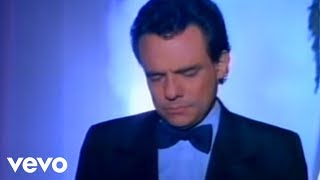
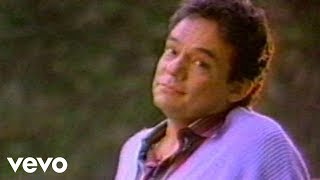
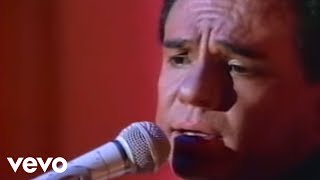
Lo Pasado, Pasado Lyrics in English by José José
Lo pasado, pasado is a classic Spanish expression that means "What's past is past," similar to the English saying "Let bygones be bygones." It's a powerful statement about leaving the past behind.
In this iconic song, José José uses this phrase to declare he has forgotten all his past suffering and is joyfully embracing a new love. The repetition emphasizes a clean break, making it a memorable and liberating anthem.
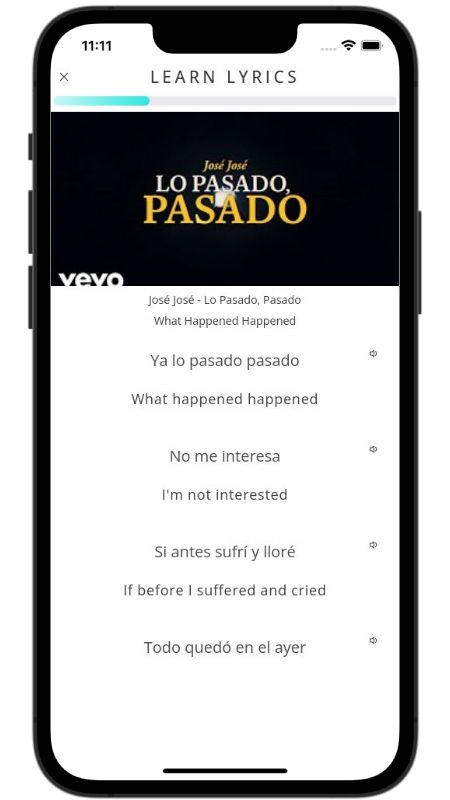
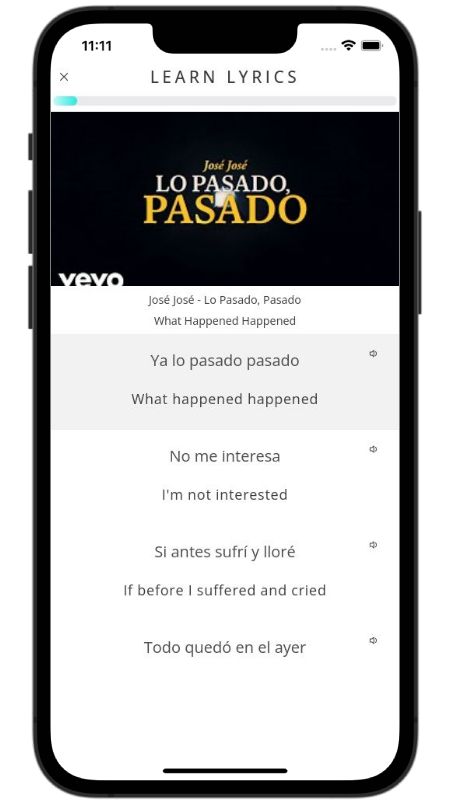
Mexican singer José José brings pure, unbothered relief to this classic pop anthem. He has zero desire to look back. The song kicks off with him brushing away his history of tears: "Ya lo pasado pasado / No me interesa" ("What is past is past / It does not interest me"). If you have ever walked out of a miserable phase of life and immediately felt lighter, you will recognize that energy. He repeats "ya olvidé" ("I already forgot") three times in a row just to make sure you believe him. There is someone new in his life—"amo y me aman" ("I love and they love me")—and he promises he will never sit around sad and lonely again.
Then comes the best part: José José gets so thrilled about his new romance that he literally asks for an ovation. He sings, "Pido un aplauso para el amor que a mí ha llegado" ("I ask for applause for the love that has arrived to me"). That is pretty bold, but his excitement is contagious. When he belts out "ya le dije adiós" ("I already said goodbye") to his past, you know he is done wallowing for good.