No Me Quise Ir Lyrics in English by Ivan Cornejo
Sobresalir translates to 'to stand out', 'to excel', or 'to overcome'. It is an excellent compound word created by combining sobre (over) and salir (to come out).
In this heartbreak anthem, Ivan Cornejo sings "Muy lejos de ti / Pa' sobresalir" (Very far from you / To stand out). He uses this powerful verb to explain that he had to distance himself from a damaging relationship in order to grow, succeed, and move forward with his life.
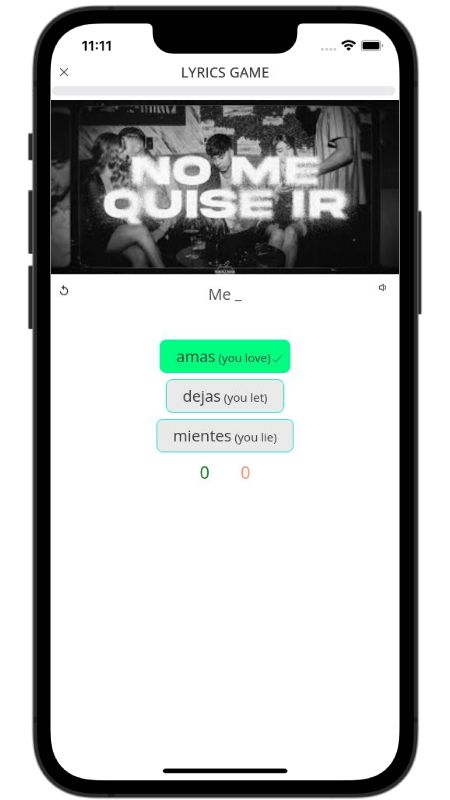
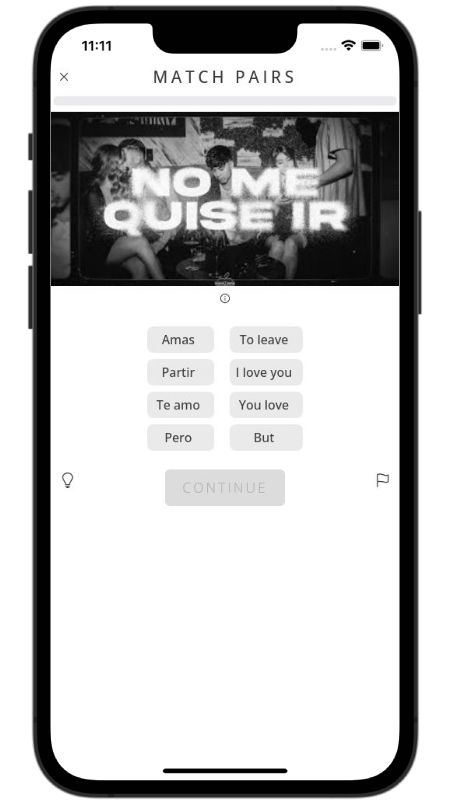
Ivan Cornejo delivers a painfully honest breakup track in "No Me Quise Ir" (I Didn't Want to Leave), blending moody sierreño guitars with the harsh reality of outgrowing someone. The story kicks off with a frustrating timing problem: "Me amas cuando estoy a punto de partir" (You love me when I am about to leave). He loves her back, but he realizes staying only wastes his time after all their sacrifices led nowhere. He even calls her out directly, admitting she was already broken before they met ("Dañada estabas cuando yo te conocí"), and now his own heart turned cold ("Mi corazón está frío por tu existir").
What makes this track hit so hard is how blunt he gets about moving on. He knows it stings for his ex to see him everywhere instead of holding him, rubbing in the fact that "Otras manos ya me están amando" (Other hands are already loving me). He cuts ties completely to focus on his own success ("Pa' sobresalir" - a shortened, everyday slang form of para sobresalir, meaning in order to stand out or succeed). With a shoutout to his label, "Y pura Manzana Records", he reminds her that she is not the only one hurting; his tears were very real, but leaving was the only way forward.