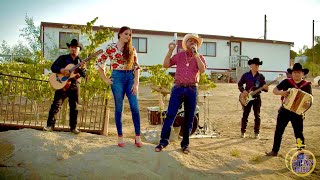
Cruz De Palo Lyrics in English by El As De La Sierra
Camposanto literally translates to "holy field" or "sacred ground," and it refers to a cemetery or graveyard. It's a more poetic and traditional term than the common "cementerio."
In this song, the artist expresses a desire not to be in the camposanto, suggesting a longing for a different kind of resting place or perhaps a rejection of a conventional burial. This word adds a layer of cultural depth and a touch of solemn beauty to the lyrics.
This song is a really heartfelt and a little bit melancholic look at what happens after life. The singer is thinking about leaving this life and how "el mundo es ingrato" [the world is ungrateful]. He doesn't want to be in the traditional cemetery, "el camposanto," when he's gone. Instead, he wants to be buried "entre los montes" [among the mountains], with a "cruz de palo" [wooden cross] on his tomb. It's a very personal wish, almost like he's already tired, saying "mi alma está muy cansada" [my soul is very tired] and that he's cried so much.
Even with that sadness, there's a sense of peace and acceptance. He mentions the warmth of his parents and that there's "ya no hay tristeza" [no more sadness]. It feels like he's ready for what's next, guided by a light, knowing that "la muerte muy pronto tendrá que llegar" [death will have to arrive very soon]. It's a beautiful, reflective song about finding comfort in nature and in memories, even when facing the end.