Mala Suerte Lyrics in English by Cazzu
Carnada literally translates to "bait," the kind used for fishing or hunting. It's a very unique and striking word to find in a song about love and fear.
In "Mala Suerte," Cazzu uses this word metaphorically. She sings, "Porque también yo fui carnada" (Because I was also bait), to express that she has been used and manipulated in the past, lured into damaging situations. This powerful image explains the deep-seated insecurity—her "bad luck"—that now haunts her new relationship.
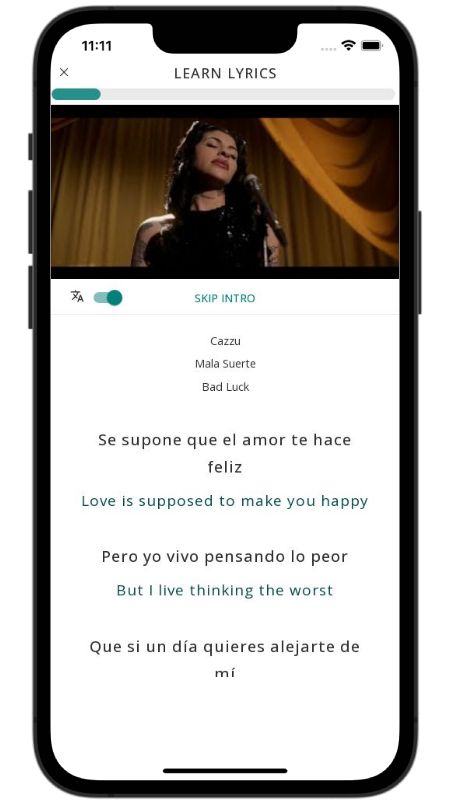
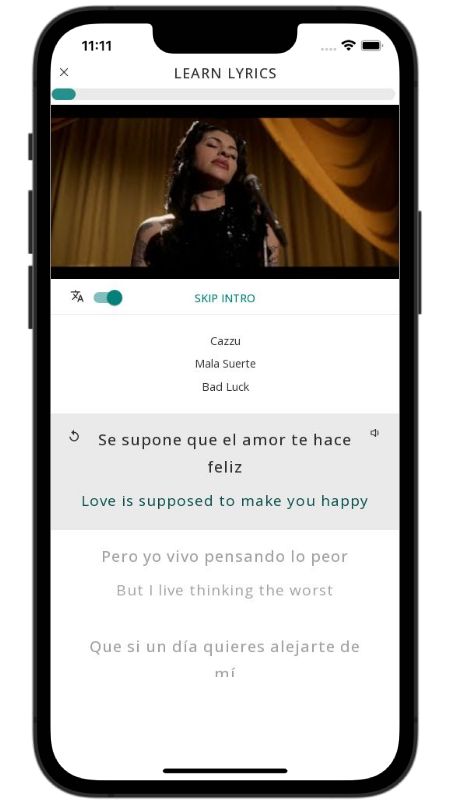
Mala Suerte ("Bad Luck") lets Argentina’s trap queen Cazzu pull back the curtain on her bravado and show us the vulnerable heart that beats underneath. Over a moody beat, she repeats the aching hook "Tengo miedo de perderte" (“I’m afraid of losing you”), confessing that for her, love is a thrilling ride haunted by the constant fear of crashing. She pictures nightmare scenarios—her lover finding someone “better,” forgetting every kiss, every memory—because she believes she was “born with so much bad luck.”
Cazzu’s lyrics flicker between smoky barrooms, limousine doors, and lovers who left scars. Those memories make her doubt her own worth, yet they also fuel a desperate, fiery plea: “Dame tu calor, que traigo el alma fría” (“Give me your warmth, my soul is cold”). The song is both a confession and a wish—she wants to shake off her “mala suerte,” pull her partner close, and shout their love so loudly that even the heavens listen. In short, it’s a raw, diary-like anthem about insecurity, past wounds, and the hope that real love can finally break an unlucky streak.


























![Peli-Culeo [Remix] Lyrics Translation](https://img.youtube.com/vi/lPEETy25iug/mqdefault.jpg)