Sempre Sempre Lyrics in English Andrea Bocelli
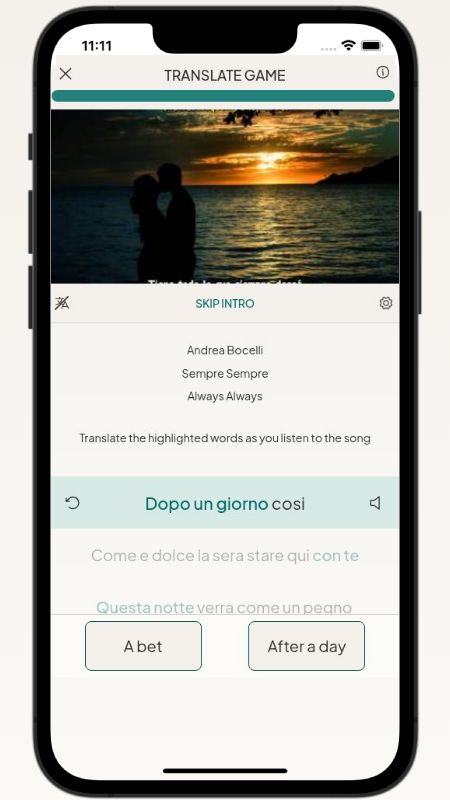
Pegno translates to "pledge" or "token", often implying a guarantee or a symbol of a promise. It's a word that carries a deeper, more formal weight than a simple "gift" or "present".
In "Sempre Sempre", Andrea Bocelli sings, "Questa notte verra come un pegno d'amore" (This night will come like a pledge of love). Here, pegno elevates the night from a mere event to a significant promise or a symbol of enduring affection, making it a beautiful and meaningful word choice in the context of a romantic ballad.
"Sempre sempre" means "always, always," and that one word runs through nearly every line of this song. Bocelli sings about being close to someone again after a long dry stretch, and treating that closeness the way dry ground finally takes in water.
He admits life moves fast and everyone is wrapped up in their own thoughts, but he keeps returning to one small vow: that tomorrow matters as much as today, and that his word is a real promise, not just talk.
By the end he circles back to the song's opening lines, almost closing a loop. The message stays simple: some things don't need many words. Just one word, said again and again, is enough to say I'm here, and I always will be.