Learn Swedish with Metal Music with these 23 Song Recommendations (Full Translations Included!)
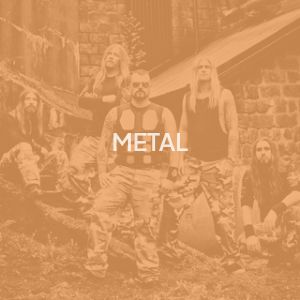
Get ready to march into history with Sabaton's epic track, "Gott Mit Uns"! This powerful song throws you right into the middle of a famous battle from the Thirty Years' War: the Battle of Breitenfeld in 1631. You'll hear the story from the perspective of the Swedish soldiers, led by their king, Gustavus Adolphus. The title itself, "Gott Mit Uns," is German for "God with us," which was the powerful battle cry of the Swedish army.
The lyrics paint a vivid picture of the battlefield. You can almost hear the cannons roar and feel the ground shake as the army marches forward at dawn. The soldiers are ready to fight for their king and their faith, with the song capturing their determination and courage. It's a story about sacrifice and the birth of Sweden as a major European power, rising from a "battlefield of blood" to become a "great power of courage."
Ši daina, „Livgardet“ [Gyvenimo sargyba] nuo Sabaton, yra tikra duoklė Švedijos karališkajai gyvybės gvardijai, kuri tarnauja jau 500 metų! Įsivaizduokite, jie buvo įkurti paties šalies tėvo ir nuo to laiko ištikimai tarnauja. Dainoje pasakojama apie jų ilgą ir garbingą istoriją, pradedant nuo „tåget över Bält“ [žygio per Beltą] ir kovų „vid Lund, på Narvas fält“ [prie Lundo, Narvos laukuose]. Tai tikrai įspūdinga, kaip jie seka didvyrių pėdomis, visada pasirengę ginti savo karalių ir karalystę, net jei tai reikštų paaukoti savo gyvybę.
Man patinka, kaip daina pabrėžia jų atsidavimą: „Oavsett vem kronan bär / Till sin konung trohet svär“ [Nesvarbu, kas nešioja karūną / Savo karaliui prisiekia ištikimybę]. Tai rodo, kad jų lojalumas yra tvirtas ir nepajudinamas. Jie stovi „Knä om knä livgardet går“ [Kelias prie kelio gyvybės sargyba eina], visada kartu, visada budrūs. Tai daina apie garbę, ištikimybę ir ilgą istoriją, kurią tikrai verta išgirsti!
Get ready to march through 500 years of Swedish history! Sabaton's powerful anthem, "Livgardet," is a tribute to one of the world's oldest and most legendary military units: the Swedish Royal Guard, or Livgardet.
This song celebrates their incredible story, from their humble beginnings as just 16 men in 1521 to their role as the protectors of the Swedish king and kingdom today. The lyrics paint a vivid picture of their unwavering loyalty and bravery through centuries of both war and peace. You'll hear references to famous historical events like the daring march across the frozen sea ("tåget över Bält") and epic battles at Lund and Narva. It's a powerful story of tradition, sacrifice, and the promise to serve för konung och rike (for king and kingdom), no matter the cost.
Préparez-vous à un voyage épique avec « Livgardet » de Sabaton ! Ce groupe suédois est connu pour ses chansons sur l'histoire, et celle-ci ne fait pas exception. Elle nous plonge au cœur de l'histoire militaire suédoise, en célébrant le régiment de la Garde Royale, le « Livgardet ».
La chanson retrace les 500 ans de service de ce régiment, fondé par le « landsfader vår » [notre père de la nation]. Elle mentionne des batailles historiques comme le « tåget över Bält » [la marche sur le Bält], la bataille de Lund et les champs de Narva, montrant comment ils « följa uti hjältars spår » [suivent les traces des héros]. C'est une véritable ode à la loyauté et au courage, car ils « viger sitt liv » [dédient leur vie] pour le roi et le royaume, peu importe qui porte la couronne. Même en temps de paix, ils « vaktar ännu maktens dörr » [gardent encore la porte du pouvoir]. C'est une chanson puissante qui vous donnera envie d'en savoir plus sur l'histoire suédoise !
Dit nummer van Sabaton, "Livgardet", is een eerbetoon aan de Zweedse lijfwacht, een militaire eenheid met een ongelooflijk lange geschiedenis. Het lied vertelt hoe deze garde al 500 jaar trouw dient, opgericht door de "landsfader vår" [onze landsvader]. Ze hebben gevochten in belangrijke veldslagen, zoals de "tåget över Bält" [tocht over de Belt] en bij "Lund, på Narvas fält" [Lund, op het veld van Narva], en volgen zo "hjältars spår" [in de sporen van helden].
Het nummer benadrukt hun onwrikbare loyaliteit, ongeacht wie de kroon draagt. Ze zweren trouw aan hun koning en zijn er om te beschermen, zowel in tijden van vrede als in oorlog. De garde, die begon met slechts 16 man, is nu het oudste gevechtsregiment van het rijk en blijft "maktens dörr" [de deur van de macht] bewaken. Ze offeren hun leven "för konung och rike" [voor koning en rijk], en doen wat "omöjligt" [onmogelijk] lijkt, wat de toekomst ook brengt.
Šī dziesma ir kā aizraujošs stāsts par Zviedrijas karalisko gvardi jeb Livgardet! Sabaton, kā jau viņiem ierasts, ar episku mūziku un vārdiem godina šo senu un godpilnu militāro vienību. Dziesma stāsta par gvardes 500 gadu ilgo vēsturi, sākot ar tās dibināšanu, ko veicis "landsfader vår" [mūsu tēvs, valsts dibinātājs], un beidzot ar mūsdienām.
Mēs uzzinām, ka gvarde ir cīnījusies daudzās vēsturiskās kaujās, piemēram, "tåget över Bält" [pārgājiens pāri Beltam], "stred vid Lund, på Narvas fält" [cīnījās pie Lundas, Narvas laukā], vienmēr sekojot "hjältars spår" [varoņu pēdās]. Viņi ir zvērējuši uzticību "konung och rike" [karalim un valstij], un viņu devīze ir "att beskydda, gardet svär" [aizsargāt, gvarde zvēr]. Dziesma uzsver viņu nelokāmo lojalitāti, sakot, ka "oavsett vem kronan bär" [neatkarīgi no tā, kurš nēsā kroni], viņi paliek uzticīgi. Tas ir spēcīgs apliecinājums gvardes ilgstošajai tradīcijai un drosmei!
Το "Livgardet" των Sabaton είναι ένα επικό αφιέρωμα στην παλαιότερη στρατιωτική μονάδα της Σουηδίας, την Βασιλική Φρουρά. Οι στίχοι μας ταξιδεύουν πίσω στον χρόνο, ξεκινώντας από την ίδρυσή της από τον "landsfader vår" [πατέρα του έθνους μας] και τονίζουν την "hängiven tjänst i 500 år" [αφοσιωμένη υπηρεσία για 500 χρόνια]. Είναι σαν να ακούς μια ιστορία για γενναίους πολεμιστές που πολέμησαν σε ιστορικές μάχες όπως το "tåget över Bält" [πέρασμα του Μπελτ] και το "Narvas fält" [πεδίο της Νάρβα].
Αυτό που μου αρέσει πολύ είναι πώς το τραγούδι τονίζει την αδιάκοπη αφοσίωση της Φρουράς. Είτε είναι καιρός πολέμου είτε ειρήνης, "Vart vägen än bär / Att beskydda, gardet svär" [Όπου κι αν οδηγεί ο δρόμος / Για να προστατεύσει, η φρουρά ορκίζεται]. Είναι μια υπόσχεση για την προστασία του βασιλιά και του βασιλείου, ακόμα και αν αυτό σημαίνει να "viger sitt liv" [αφιερώσουν τη ζωή τους]. Είναι ένα τραγούδι που σε κάνει να νιώθεις τον σεβασμό για την ιστορία και την αφοσίωση.
¡Prepárate para conocer la increíble historia de la Guardia Real Sueca con "Livgardet" de Sabaton! Esta canción es un verdadero himno a la lealtad y el servicio, celebrando 500 años de historia de esta unidad militar. Desde sus humildes comienzos con solo 16 hombres, la Guardia Real se ha mantenido firme, jurando proteger al rey y al reino "Vart vägen än bär / Att beskydda, gardet svär / För konung och rike de viger sitt liv" [Dondequiera que el camino lleve / Para proteger, la guardia jura / Por el rey y el reino dedican su vida].
La canción nos lleva a través de batallas históricas como la del Bält y Narva, mostrando cómo estos soldados han seguido "uti hjältars spår" [en las huellas de los héroes]. Es fascinante cómo, a pesar de los cambios de monarcas o los tiempos de paz, la Guardia Real siempre ha mantenido sus tradiciones y su compromiso. Sabaton realmente logra transmitir el honor y el sacrificio de estos hombres que "För land och för rike de offrar sitt liv" [Por el país y por el reino sacrifican su vida]. ¡Es una canción que te hará sentir la fuerza de la historia!
Sabaton'dan "Livgardet" İsveç Kraliyet Muhafızları'nın 500 yıllık şanlı tarihine bir övgü niteliğinde! Şarkı, bu birliğin kuruluşundan günümüze kadar geçen süredeki sadakatini ve cesaretini anlatıyor. "Grundat av landsfader vår" [Ülkemizin babası tarafından kuruldu] dizesiyle kuruluşlarına atıfta bulunulurken, "Hängiven tjänst i 500 år" [500 yıldır adanmış hizmet] ile uzun ömürlü bağlılıkları vurgulanıyor.
Şarkı, muhafızların "Tåget över Bält" [Belt üzerindeki yürüyüş] ve "Stred vid Lund, på Narvas fält" [Lund'da, Narva sahasında savaştı] gibi önemli tarihi olaylardaki rollerini hatırlatıyor. Onların "För konung och rike de viger sitt liv" [Kral ve krallık için hayatlarını adarlar] sözleriyle ifade edilen sarsılmaz bağlılıkları gerçekten etkileyici. Bu şarkı, İsveç tarihine ve bu özel birliğin mirasına harika bir bakış sunuyor!
Sabatonin "Livgardet" on todellinen kunnianosoitus Ruotsin kuninkaalliselle henkivartiokaartille, joka on palvellut maataan jo 500 vuotta! Kappale kertoo kaartin pitkästä ja kunniakkaasta historiasta, aina sen perustamisesta lähtien: "Grundat av landsfader vår" [Maamme isän perustama]. Kaarti on ollut mukana monissa historiallisissa taisteluissa, kuten "tåget över Bält" [marssi Ison-Beltin yli] ja "stred vid Lund, på Narvas fält" [taisteli Lundissa, Narvan kentällä].
Laulu korostaa kaartin vankkumatonta uskollisuutta kuninkaalle ja valtakunnalle, oli sitten kyse sodasta tai rauhasta: "För konung och rike de viger sitt liv" [Kuninkaalle ja valtakunnalle he omistavat elämänsä]. Se on tarina rohkeudesta ja perinteistä, jotka ovat säilyneet vuosisatojen ajan. Kappaleen mukaan kaarti "gör vad som synes omöjligt" [tekee sen, mikä tuntuu mahdottomalta], mikä kertoo heidän sitoutumisestaan ja päättäväisyydestään.
Hej! Wysłuchajmy razem kawałka "Livgardet" od Sabaton! To prawdziwa gratka dla miłośników historii i mocnych brzmień. Ta piosenka to hołd dla szwedzkiej Gwardii Królewskiej, która ma za sobą 500 lat służby. Tekst podkreśla ich niezłomność i lojalność, mówiąc: "Ärat livgardet står / Grundat av landsfader vår / Hängiven tjänst i 500 år" [Honorowa Gwardia Królewska stoi / Założona przez ojca naszego kraju / Oddana służba przez 500 lat].
Sabaton zabiera nas w podróż przez wieki, wspominając bitwy, w których Gwardia brała udział, takie jak "tåget över Bält" [przejście przez Bełt] czy "stred vid Lund, på Narvas fält" [walczyli pod Lund, na polach Narwy]. Niezależnie od tego, kto zasiada na tronie, Gwardia pozostaje wierna, "Oavsett vem kronan bär / Till sin konung trohet svär" [Niezależnie od tego, kto nosi koronę / Przysięgają wierność swojemu królowi]. To naprawdę inspirująca opowieść o poświęceniu i tradycji, która trwa do dziś, "I frid och i strid" [W pokoju i w walce].
Prepare-se para uma dose de história e heroísmo com "Livgardet" do Sabaton! Essa música é uma homenagem ao regimento da Guarda Real Sueca, o mais antigo do país, com 500 anos de serviço. É como se a banda estivesse nos contando a saga desses soldados, desde sua fundação pelo "landsfader vår" [nosso pai da nação] até os dias de hoje.
A letra nos leva a batalhas épicas, como "tåget över Bält" [a marcha sobre o Báltico] e as lutas em Lund e Narva. É impressionante como eles destacam a lealdade inabalável da Guarda, que "vart vägen än bär / Att beskydda, gardet svär / För konung och rike de viger sitt liv" [para onde quer que o caminho leve / Para proteger, a guarda jura / Pelo rei e pelo reino eles dedicam suas vidas]. É uma verdadeira ode à coragem e ao dever, mostrando que, seja na guerra ou na paz, a Guarda Real está sempre lá para proteger a Suécia e seu rei.
Приготовьтесь к мощному гимну от Sabaton, который прославляет шведскую Королевскую лейб-гвардию! Песня «Livgardet» — это не просто история, это дань уважения 500-летней преданной службе. Представьте себе: «Ärat livgardet står / Grundat av landsfader vår» [Славная лейб-гвардия стоит / Основанная нашим отцом нации] — эти строки сразу переносят нас к истокам, к тем самым 16 мужчинам, которые положили начало старейшему боевому подразделению Швеции.
Sabaton, как всегда, мастерски передает дух сражений. Мы слышим о битвах «Från tåget över Bält / Stred vid Lund, på Narvas fält» [От перехода через Бельт / Сражались при Лунде, на полях Нарвы], что показывает их бесстрашие и верность королю и стране. Даже в мирное время гвардия продолжает стоять на страже, сохраняя традиции и защищая власть. Это песня о чести, долге и несгибаемой преданности, которая передается из поколения в поколение. Мне очень нравится, как они подчеркивают, что гвардия «Vart vägen än bär / Att beskydda, gardet svär» [Куда бы ни вела дорога / Защищать, клянется гвардия] — это показывает их непоколебимую решимость.
U pesmi „Livgardet“ Sabaton nam donosi moćnu himnu posvećenu Švedskoj kraljevskoj gardi, jedinici sa neverovatnom istorijom dugom 500 godina! Kroz stihove, pesma slavi njihovu dugu i posvećenu službu, ističući kako su stajali „Knä om knä livgardet går“ [Rame uz rame Livgardet ide] i borili se za svoju zemlju i kralja.
Slušajući ovu pesmu, proći ćemo kroz vekove švedske istorije, od bitaka kao što su „tåget över Bält“ [prelazak preko Belta] i „Narvas fält“ [polja Narve], pa sve do današnjih dana. Gardisti su uvek bili tu, bez obzira na to ko nosi krunu, uvek verni i spremni da „För konung och rike de viger sitt liv“ [Za kralja i kraljevstvo svoj život daju]. Pesma prelepo opisuje njihovu hrabrost i tradiciju, naglašavajući da su oni „Rikets äldsta stridsförband“ [Najstarija borbena jedinica kraljevstva]. Uživajte u ovoj epskoj priči o lojalnosti i hrabrosti!
Sabaton, et band fra Sverige, er kendt for deres sange om militærhistorie, og "Livgardet" er ingen undtagelse! Denne sang er en hyldest til det svenske livgarde, en militærstyrke med en utrolig lang historie. Teksten fortæller os, at garden har tjent i hele 500 år, grundlagt af deres "landsfader" og har været med i vigtige slag som "tåget över Bält" (toget over Bæltet) og "stred vid Lund, på Narvas fält" (kæmpede ved Lund, på Narvas felt).
Det er fascinerende, hvordan sangen beskriver gardets trofasthed – de sværger "för konung och rike de viger sitt liv" (for konge og rige vier de deres liv), uanset hvem der bærer kronen. De er "rikets äldsta stridsförband" (rigets ældste kampenhed) og "vaktar ännu maktens dörr" (vogter stadig magtens dør), både i fred og i krig. Det er en sang, der virkelig får dig til at tænke over historiens vingesus og den dedikation, disse soldater har vist gennem århundreder.
Пригответе се за епично пътешествие през историята със Sabaton и тяхната песен "Livgardet"! Тази песен е като музикален учебник, който ни разказва за шведския Кралски лейбгвардейски полк. Представете си войници, които стоят гордо – "Ärat livgardet står" [Почетният лейбгвардейски полк стои] – и са основани от самия баща на нацията. Те служат вярно вече 500 години, участвали са в битки като "tåget över Bält" [похода през Белт], сражавали са се при Лунд и на полето на Нарва. Те следват стъпките на героите, направени от огън и кръв от Даларна, стоейки смело в мразовити земи по време на войни.
Песента ни пренася през вековете, показвайки как тези войници – започнали само с 16 души – са се превърнали в най-старото бойно формирование на кралството. Те се кълнат да защитават краля и кралството, посвещавайки живота си, независимо кой носи короната. Дори в мирно време те продължават да пазят вратата на властта, съхранявайки традициите си. "За Швеция завинаги, където и да отиде кралят, те правят невъзможното, каквото и да предвещава бъдещето." Тази песен е истинска ода за лоялността, смелостта и вековната служба!
Pripravite se na epsko potovanje v zgodovino s pesmijo "Livgardet" od Sabatona! Ta pesem je prava oda švedski kraljevi gardi, ki stoji že 500 let. Predstavljajte si vojaško enoto, ki jo je ustanovil sam oče naroda ("Grundat av landsfader vår"), in ki je vsa ta stoletja zvesto služila. Besedilo nas popelje skozi njihovo zgodovino, od "tåget över Bält" (pohod čez Belt) do bitk pri Lundu in Narvi ("Stred vid Lund, på Narvas fält"). Vedno so sledili stopinjam junakov ("De följa uti hjältars spår").
Sabaton resnično poudarja njihovo neomajno zvestobo in pogum. Ne glede na to, kdo nosi krono ("Oavsett vem kronan bär"), garda prisega zvestobo svojemu kralju. V miru in vojni ("I frid och i strid") so vedno tam, da varujejo in služijo. Z vsako vrstico čutimo ponos in spoštovanje do teh vojakov, ki so pripravljeni žrtvovati svoja življenja za deželo in kraljestvo ("För land och för rike de offrar sitt liv"). To je zgodba o tradiciji, dolžnosti in neprekinjeni službi, ki traja že pol tisočletja!
Привіт! Пісня Sabaton "Livgardet" – це справжній гімн, присвячений шведській гвардії, яка служить своїй країні вже 500 років. Це не просто пісня, це захоплива розповідь про відданість і мужність, що передається з покоління в покоління.
Уявіть собі: пісня починається з того, що гвардія стоїть "Ärat livgardet står" [Почесна лейб-гвардія стоїть], заснована "landsfader vår" [нашим батьком нації]. Вони вірно служать вже півтисячоліття, беручи участь у таких важливих подіях, як "tåget över Bält" [перехід через Бельт] і битви "vid Lund, på Narvas fält" [під Лундом, на Нарвських полях]. Це історія про те, як вони йдуть "uti hjältars spår" [слідами героїв], створені з "eld och dalablod" [вогню та крові Даларна]. Навіть у часи миру вони "står" [стоять], охороняючи "maktens dörr" [двері влади], завжди готові захищати "konung och rike" [короля та королівство], віддаючи за них своє життя. Це дійсно надихає!
Preparati a un viaggio epico nella storia svedese con i Sabaton! In "Livgardet", la band ci porta nel cuore della Guardia Reale svedese, un'unità militare con una storia incredibile di 500 anni. Immagina un gruppo di soldati che, fin dalla sua fondazione da parte del "landsfader vår" [il nostro padre della patria], ha giurato fedeltà e protezione. Questi non sono soldati qualunque: hanno combattuto in battaglie leggendarie come il "tåget över Bält" [la marcia attraverso il Belt] e a "Narvas fält" [il campo di Narva], seguendo le orme di eroi.
La canzone celebra la loro incrollabile lealtà, dicendo "Oavsett vem kronan bär / Till sin konung trohet svär" [Indipendentemente da chi porta la corona / Giurano fedeltà al loro re]. Che sia in tempi di guerra o di pace, la Guardia Reale è sempre lì, a "vaktar ännu maktens dörr" [custodire ancora la porta del potere]. È una storia di coraggio, tradizione e dedizione, dove i soldati "För konung och rike de viger sitt liv" [Per il re e il regno dedicano la loro vita]. Sentirai l'orgoglio e la forza di questi guerrieri che, "Knä om knä livgardet går" [Ginocchio a ginocchio la Guardia Reale avanza], continuano a servire la Svezia con onore.
Sabaton on tuntud oma ajalooliste laulude poolest ja "Livgardet" pole erand! See lugu räägib Rootsi Kuninglikust Kaardiväest, mis on riigi vanim sõjaväeüksus. Laulu sõnad toovad esile nende pika ja auväärse ajaloo, mis ulatub 500 aasta taha. Nad on teeninud ustavalt oma kuningat ja riiki, olles kohal nii sõja- kui ka rahuajal.
Laul mainib konkreetseid ajaloolisi sündmusi, nagu "tåget över Bält" (marss üle Suur-Bälti) ja lahingud "Lundis, Narva väljal". See näitab kaardiväe vankumatut truudust: "Oavsett vem kronan bär / Till sin konung trohet svär" (Ükskõik, kes krooni kannab / Oma kuningale truudust vannub). See on lugu vaprusest, traditsioonidest ja pühendumisest, mis on vorminud Rootsi ajalugu.
Sabaton tar oss med på en episk reise gjennom historien til det svenske Livgardet i denne sangen! Den handler om gardets utrolige lojalitet og 500 år lange tjeneste, fra de første 16 mennene til å bli rikets eldste stridsforband. Tenk deg å kjempe i 500 år, «Hängiven tjänst i 500 år» [Hengiven tjeneste i 500 år], det er ganske vilt!
Vi får høre om deres tapperhet i krig, som da de «Stred vid Lund, på Narvas fält» [Stred ved Lund, på Narvas felt], og hvordan de alltid har sverget troskap til kongen, uansett hvem som bærer kronen. Det er en skikkelig hyllest til mot, tradisjon og den urokkelige plikten til å beskytte konge og rike. «För konung och rike de viger sitt liv» [For konge og rike de vier sitt liv] – det er sterke saker!
Priprav sa na poriadnu dávku švédskej histórie! Sabaton v piesni "Livgardet" [Životná stráž] vzdáva hold švédskej kráľovskej garde, ktorá má za sebou neuveriteľných 500 rokov služby. Je to naozaj pôsobivé, ako sa v texte spomína, že ich založil "landsfader vår" [náš otec vlasti] a že "hängiven tjänst i 500 år" [oddane slúžili 500 rokov].
Pieseň nás prevedie ich bohatou históriou, od "tåget över Bält" [pochodu cez Bält] až po bitky "vid Lund, på Narvas fält" [pri Lunde, na poliach Narvy]. Je jasné, že táto garda je symbolom odvahy a vernosti, pretože "för konung och rike de viger sitt liv" [za kráľa a kráľovstvo obetujú svoje životy]. A čo je najlepšie, stále "vaktar ännu maktens dörr" [strážia dvere moci], či už je mier alebo vojna. Je to pieseň, ktorá ti ukáže, ako hlboko sú korene švédskej histórie a oddanosti.
Sabaton nimmt uns mit auf eine epische Reise durch die Geschichte des schwedischen Livgardet, einer beeindruckenden Militäreinheit. Schon der Titel "Livgardet" [Die Leibgarde] verrät, worum es geht: Es ist eine Hymne an diese Garde, die vor 500 Jahren von Schwedens "landsfader vår" [Vater unseres Landes] gegründet wurde. Die Band feiert ihren unerschütterlichen Dienst und ihre Tapferkeit.
Der Song listet die vielen Schlachten auf, in denen das Livgardet gekämpft hat, wie zum Beispiel "tåget över Bält" [den Marsch über den Großen Belt] und die Schlachten bei Lund und Narva. Es ist klar, dass diese Soldaten "uti hjältars spår" [in den Fußstapfen von Helden] wandeln. Egal, wer gerade König ist, das Livgardet schwört "sin konung trohet" [seinem König Treue] und ist bereit, "för konung och rike de viger sitt liv" [für König und Reich ihr Leben zu geben]. Auch in Friedenszeiten stehen sie da, "vaktar ännu maktens dörr" [bewachen immer noch die Tür der Macht], und machen das Unmögliche möglich. Ein wirklich starker Song über Ehre und Pflicht!