Learn Spanish With Santiago Cruz with these 14 Song Recommendations (Full Translations Included!)
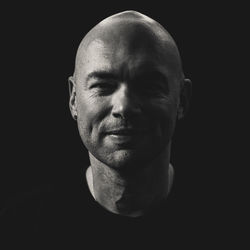
Have you ever had a relationship that was almost perfect? In his song "Casi," which means "Almost," Colombian singer-songwriter Santiago Cruz explores this very feeling. The song is a bittersweet farewell to a love that is now just a fading memory. The singer describes how the face and voice of his former partner are disappearing from his mind, like an old photograph losing its color.
He clings to one final memory of their time together, a love he says is "long buried" and now just "history." Before letting it go completely, he reflects on all the things their relationship almost was. He sings that with this person, he was "almost better," they "almost relieved his pain," and he was "almost happy." It's a powerful look at a love that was full of potential but, for one reason or another, never quite made it.
Santiago Cruz's "3, 2, 1, 0" throws us right into a moment of intense anxiety and self-doubt. The song starts with the familiar feeling of being in a "vacía habitación de hotel" [empty hotel room], a place that often amplifies loneliness and introspection. He's wrestling with the question of whether it's all "vale la pena" [worth it], hinting at the sacrifices and struggles that come with his life. The lyrics describe a physical reaction to this stress: "Pulso acelerado, Respiración entrecortada, Visión nublada" [Accelerated pulse, Shortness of breath, Blurred vision], leading to a "Conteo regresivo activado" [Countdown activated] – a clear sign of a panic attack or a complete mental shutdown.
He's really questioning everything, asking "¿En qué momento fue que me derrumbé?" [At what moment did I collapse?] and wondering if he ever truly had control in the first place. It's a relatable feeling of losing your way, expressed in "De cuándo acá mi vida se me extravió" [Since when did my life get lost?]. The song feels like being stuck on a "carrusel" [carousel], going "Dando vueltas sin fin navegando en la arena" [Spinning endlessly, navigating in the sand], unable to find solid ground. Despite feeling like he's approaching an "abismo" [abyss], no one is stopping, and he's left with the desperate hope to "Barajemos de nuevo y vuelvo a comenzar" [Let's shuffle again and I'll start over]. It's a powerful look at feeling overwhelmed and the desire for a fresh start.
Have you ever felt like you're "Navegando contra la corriente" [sailing against the current]? Santiago Cruz totally gets it! This song is like a big hug, reminding us that we're not alone in those moments when fear is "parado frente a ti, mostrándote los dientes" [standing in front of you, showing its teeth]. He asks if you also get tired of balancing "Realidad contra esperanza" [reality against hope], and honestly, who doesn't?
"No Estamos Solos" [We Are Not Alone] is a beautiful anthem for anyone who feels lost in the collective chaos or struggles with hypocrisy. Santiago Cruz sings about searching for a small detail to prevent you from exploding, and it's such a relatable feeling. The chorus is so powerful, reminding us, "Aunque parezca, corazón, aunque sea cruel la desazón, no estamos solos" [Even if it seems, my heart, even if the desolation is cruel, we are not alone]. It's a comforting thought that "Aquí por lo menos somos dos y alzamos juntos nuestra voz" [Here at least there are two of us and we raise our voice together].
Santiago Cruz's "Como Desde la Primera Vez" is a beautiful song about wanting to keep the magic alive in a long-term relationship. He's not just talking about romance; he's talking about a deep connection where you still discover each other every day, like in the beginning. He sings, "Que me descubras cada vez" [That you discover me each time] and "Que bebas con mi misma sed" [That you drink with my same thirst], showing this desire for continued closeness and shared passion.
What I love about this song is how it emphasizes the idea of choosing to keep the spark alive, even as time passes. Santiago wishes for them to "mantengamos la embriaguez" [maintain the intoxication] and for "el tiempo frene y vaya lento" [time to stop and go slow], just like that very first time. He sees his partner as a "Puerto seguro en temporal" [safe harbor in a storm], a place of comfort and stability. The repeated line, "Que sepas día a día que soy tuyo Como desde la primera vez" [That you know day by day that I am yours As from the first time], really drives home the commitment and the wish for that initial intensity to last forever.
Have you ever felt like you're not perfect, but you have so much to offer in love? That's exactly what Santiago Cruz is singing about in "Busca por Dentro" [Look Inside]. He's honest about his flaws, saying things like "no sé decir te quiero pero me entrego" [I don't know how to say 'I love you' but I give myself completely] and "de pronto un poco tosco pero acaricio" [maybe a little rough, but I caress]. He admits he might not be "el indicado" [the right one], but he's definitely willing to try, saying "no sé lo que es ganar pero lo intento" [I don't know what winning is, but I try].
But the real heart of the song is his plea to "busca por dentro" [look inside] for what he brings to a relationship. He promises "todos mis sentimientos" [all my feelings] and "un beso y un abrazo exacto en el momento" [a kiss and a hug exactly at the right moment]. He talks about a "fuente inagotable de agua fresca" [inexhaustible source of fresh water] and a "llama que no dejó nunca que se apague" [flame that I never let go out] within him. It's a beautiful message about finding true love by looking beyond superficial qualities and seeing the depth of someone's heart.
Have you ever cared about an ex, even long after you broke up? Santiago Cruz explores this complex feeling in "Porque Yo Te Quise." The song tells the story of someone speaking to a former partner. He makes it clear that their relationship is a "caso cerrado"—a closed case—and they said goodbye a long time ago. He's not the same person she grew tired of, but her life also didn't turn out the way she'd hoped. She took a gamble on something new and it seems she lost.
The singer sees that his ex is now in a bad place. She was looking for something different but crashed into a "mirage" or espejismo, and now her life is falling to pieces. He wants to be clear: he's not trying to reopen old wounds or get back together. His concern isn't because he loves her now, but because he loved her in the past. It's because of that shared history that he offers his support, telling her, "hoy me pongo a tu lado / Por si quieres respirar" (today I'm by your side / In case you want to breathe).
Have you ever been so attracted to someone that you know it's bad for you, but you just can't help yourself? That's exactly what Santiago Cruz is singing about in "Mejor Me Voy" [I'd Better Go]. He's in a situation where he feels completely overwhelmed by someone, admitting, "Contigo me siento aturdido / Y se me va la poca voluntad" [With you I feel dazed / And my little willpower disappears]. He knows if he stays, he'll give in, saying, "Por más que quisiera beberte / Y sumergirme dentro tuyo hasta el final / Sería mi muerte" [As much as I'd want to drink you in / And immerse myself inside you until the end / It would be my death].
It's a really relatable struggle, isn't it? He's trying to make the smart choice and leave, but it's incredibly hard. He confesses, "Me voy porque no me aguanto / Y si caigo contigo no me levanto" [I'm leaving because I can't control myself / And if I fall with you, I won't get up]. The desire is so strong that he even says, "Me voy y no quiero irme / Yo sé que después voy a arrepentirme" [I'm leaving and I don't want to leave / I know I'll regret it later]. It's a powerful look at the internal battle between what you know is right and what you desperately want.
Have you ever felt like someone was putting on a show for the world, but you knew their real feelings? In "El Gran Teatro," the singer addresses a former lover who seems happy in a new relationship. Everyone says she's smiling, but the singer knows it's all an act, a "grand theater."
He knows her secret: she still cries for him when she's alone and thinks about him constantly. He tells her not to worry, he won't tell anyone that she hasn't forgotten him. He then challenges her to lie to her new partner, daring her to say that she's never felt a love so intense before. The singer is confident she can't, because he knows he's still on her mind.
Santiago Cruz's "Después de la Tormenta" [After the Storm] is a beautiful song about finding hope and a sense of direction after a period of lost faith and confusion. The singer talks about how meeting someone changed everything, saying, "Yo supe en aquel momento / Que ya no habría más intentos" [I knew in that moment / There would be no more attempts]. Before this person, he felt lost, "andaba sin rumbo cierto / Con sed y en medio del desierto" [I was wandering without a certain direction / Thirsty and in the middle of the desert].
The song really digs into the feeling of vulnerability and fear, especially with lines like, "Ahora cuando el miedo parece inagotable / Y respirar nos hace vulnerables" [Now when fear seems inexhaustible / And breathing makes us vulnerable]. He's looking for reassurance, asking, "Dime si después / De la tormenta vamos a ser libres y tal vez creer / Que puede ser posible derrumbarse y luego renacer" [Tell me if after / The storm we will be free and perhaps believe / That it can be possible to collapse and then be reborn]. It's a powerful plea for a sign that after all the chaos, there will be a new dawn and the comfort of a loved one's embrace.
Santiago Cruz shares the sweet story of how he met his wife, María Paz, and how their love grew. It all started back in February 2011 when he was recording a concert. He was singing and, as he always tries to do, making eye contact with the audience. That's when he saw her – a beautiful woman next to his friend, actress Manuela González.
He was immediately smitten, but found out she was in a relationship. He was too, though his relationship was ending. Fate kept bringing them together, crossing paths often. A year later, on his birthday in February 2012, Manuela brought María Paz to his party. They talked all night, and when Manuela was leaving, Santiago took María Paz's hand and asked her to stay. He knew then, with a "certeza" [certainty], that she was the one. Two months later, in Spain, he told her he was ready, and she said she was too. Eleven years and two children later, they're still together, proving that sometimes, love just is.
Santiago Cruz's "Otra Mañana Más" [Another Morning] is a heartfelt plea from someone who's really missing their ex. It's another morning, and they're still not there, and our singer has "perdido la cuenta" [lost count] of how many times they've tried to call. The city feels gray, and everything is spinning because trying to forget them just isn't working.
He's practically begging them to "Ven" [Come] back, directly and without beating around the bush, because "adentro todo se derrumba" [everything inside is falling apart]. He admits they both know "de quien fue la culpa" [whose fault it was], but he's hoping they can learn from the past and try again. He's desperate for them to "venir para salvarme" [come to save me], even though he doesn't know where they are, and has "perdido tu rastro" [lost your trace]. It's a really honest look at that feeling when you just want someone back, even if it's complicated.
Have you ever had those days when it just feels harder to face the world? Santiago Cruz totally gets it in "Hay Días" [There Are Days]. He sings about those tough moments when it's a struggle to keep faith, when life feels too fleeting to have a reason, or when the pain is just too much to bear. He admits, "Hay días en los que no soy capaz" [There are days when I'm not capable].
But this isn't a sad song about giving up! It's a beautiful plea for connection. In those difficult times, he asks someone special, "corazón, es que te pido por favor que no me sueltes" [my heart, I'm asking you please don't let go of me]. It's a song about needing that person to stay close, even when silence is screaming and he can't quite admit how much he needs them. He even says, "si te cansas vas y vuelves" [if you get tired, you go and come back], showing a deep understanding and trust in this bond. It's a really honest look at vulnerability and the power of having someone by your side.
Have you ever felt like you're watching someone you care about struggle, and you just wish you could fix everything for them? That's exactly where Santiago Cruz is coming from in "Tiempos Mejores." He sings, "Si pudiera me sumergiría en lo más profundo / De tu alma para así pegar lo que está roto / Pero no puedo" [If I could, I would dive into the deepest part / Of your soul to mend what is broken / But I can't]. He sees their pain, knows they're being honest about it because their eyes don't lie, and he feels the weight of their suffering. It's a tough spot to be in, feeling helpless when someone you love is hurting.
But even though he can't fix it directly, he offers unwavering support. He knows there's a private place the person needs to navigate, but he promises, "Sabes que vendrán tiempos mejores / Sabes que el dolor irá cediendo" [You know better times will come / You know the pain will subside]. He reminds them that the pain won't last forever and encourages them to feel their emotions without delay, because the only way forward is to keep living: "Déjate sentir y no demores / Que no queda más / Que seguir viviendo" [Let yourself feel and don't delay / Because there's nothing left / But to keep living]. It's a beautiful message of hope and steadfast presence during difficult times, acknowledging that everyone has their own hidden struggles, as he puts it, "Hay mundo en cada quien / Que permanece oculto / Un universo de misterios y de laberintos" [There is a world in each person / That remains hidden / A universe of mysteries and labyrinths].
Santiago Cruz's "Nuestra Esquina de Madrid" is such a sweet, hopeful song about building a future with someone you love. It's all about the little, intimate details that make a relationship unique. He imagines all the shared experiences they'll have, from having "nuestra esquina de Madrid" [our corner of Madrid] and "nuestro plato favorito" [our favorite dish] to their inside jokes where "no entra nadie más" [no one else enters]. It's a vision of a life filled with shared moments, like watching "nuestros filmes de terror" [our horror films] and listening to "nuestra canción de Fito" [our Fito song].
What I love is how he acknowledges the realness of a relationship, too. He talks about learning "a medir en los brindis con cerveza" [to measure ourselves in beer toasts] and having to "saber decir lo siento" [know how to say I'm sorry] after a storm. Even when things get tough, and they feel "ganas de salir corriendo cuando este barco se nos esté hundiendo" [like running away when this ship is sinking], he still sees them returning to "esa esquina de Madrid" [that corner of Madrid]. It’s a beautiful picture of commitment, filled with secret codes, concert lists, and their own idea of freedom, all leading to a leap of faith: "Salto al vacío contigo, el mundo entero es testigo" [I jump into the void with you, the whole world is witness].

