Learn Spanish With Juan Farfan with these 22 Song Recommendations (Full Translations Included!)
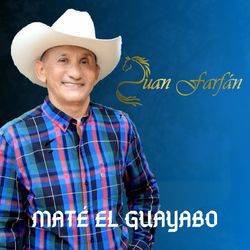
Have you ever met someone who just has that something, even if you can't quite put your finger on it? That's exactly what Juan Farfan is singing about in "Parece Bonita." He's trying to figure out this woman who, to him, isn't necessarily beautiful in the traditional sense – he says "parece bonita pero no es que sea bonita" [she seems pretty but it's not that she's pretty]. But then he admits, "tampoco es fea pero a mí no me conviene" [she's not ugly either, but she's not for me].
So, what's her secret? He wonders, "qué es lo que tiene esa muchacha que cuando pasa todos los embelezar" [what does that girl have that when she passes by, everyone is captivated]? He observes that "se viste bonito, camina bonito y baila bonito" [she dresses nicely, walks nicely, and dances nicely], especially when she's interested or at parties. He even tried to talk to her, making an excuse to get close, but she just kept walking. It's a fun, relatable song about being intrigued by someone who has a certain charm, even if they're not what you initially expect!
Have you ever wondered what happened to the kisses you shared with someone, only for them to leave without a word? Juan Farfan's "El Chupa La Flor" explores just that, with a touch of bitterness and a whole lot of curiosity. He asks, "qué hiciste con los besos de mi boca?" [what did you do with the kisses from my mouth?], needing a reason for the sudden departure.
He compares his former lover to a bird that "vuela de rama en rama buscando la mejor flor" [flies from branch to branch looking for the best flower], implying they moved on quickly after taking what they wanted. It's a blunt image, isn't it? He reflects on how some flowers "conservan sólo sobra" [only keep the leftovers] while others "conservan la marco" [keep the bitterness], suggesting that while he felt deep affection, for them it might have just been a fleeting moment. Despite the pain, he maintains, "sigo siendo el mismo que conociste" [I'm still the same person you knew] and is even
Juan Farfán's "Llano Y Nostalgia" is a heartfelt journey into the soul of the Venezuelan plains, or llano. He starts by remembering a time when things were different, a time of hard work and companionship, saying, "allí el águila gana paraguaya al toro padre que ayer tuve que meter era mi mujer y mi compa" [there the Paraguayan eagle wins against the bull, father, that yesterday I had to bring in, it was my woman and my companion]. This line, though a bit abstract, seems to evoke a sense of past struggles and the people who were with him.
He then expresses a deep connection to the land itself, almost like a spiritual bond: "al infinito tú que me viste nacer me viste nacer cuando muera voy contigo" [to the infinite you who saw me born, saw me born, when I die I go with you]. Farfán carries a profound nostalgia for the "días felices" [happy days] of the past, recalling the days of herding cattle, traveling for "40 días de Arauca a Villavicencio" [40 days from Arauca to Villavicencio]. He laments the changes, noting that places like "la coralina, los podridos y rodillos hoy día son sitios se acabaron para siempre" [the coralina, the rotten ones and rollers today are places that are gone forever], and that the llaneros [plainsmen] are fewer now. His heart aches, "mi corazón sufrí y llora ahogado en el sentimiento" [my heart suffered and cries drowned in feeling], as he prays for the spirit of the llano to return.
Juan Farfan's "La Casa Vacia" is a really heartfelt song about the pain of a man facing the departure of the woman he loves. He's not just sad; he's pleading with her not to leave, saying, "que el día que debiste vayas mujer bonita no quiero que te decidas" [that the day you should go, beautiful woman, I don't want you to decide]. He's imagining a future without her, where his eyes won't see and his heart won't feel, and he says these wounds will only disappear "del fin de mi vida" [at the end of my life].
It gets even more intense as he pictures himself alone, seeing his "casa vacía" [empty house] with no one to greet him or even make him food. He talks about getting on his little horse and leaving, saying goodbye to his whole family, leaving his home "como una cosa perdida" [like a lost thing]. It's a pretty dramatic and emotional look at how deeply he'll be affected if she leaves him.
Juan Farfan's "Amores En El Baile" tells the story of a man deeply affected by a past love. He's a "forastero" [outsider] who can't forget a woman who left him without a word. He remembers her departure vividly, feeling the sting of her absence and how some things in life just leave a mark. He wishes she had told him why she left, lamenting that he can't even sit alone in the plaza anymore because it makes him sad.
Despite his heartbreak, he's trying to move on. He acknowledges that another man, a musician, may have won her over, while he's just a "pobre loco" [poor crazy man]. He decides to get his horse ready, put on a good face, and look for a new life, perhaps even a new woman to share a home with. He dreams of a future where he's happy, with his horse by his side, and he declares that he won't die because this "ingrata" [ungrateful woman] left him. Even though he's trying to be strong, her memory still lingers, and he finds himself missing her "en verano y en invierno" [in summer and in winter], wishing for her touch and her kisses.
Juan Farfan's "Yo Si Cuido Lo Mio" is a lively joropo that's all about holding onto what you've got and being smart with your blessings. Farfan shares his wisdom, urging us to value our possessions, whether it's a little bit or a lot, because it all comes from hard work. He warns against throwing away what you have for something new, reminding us that "tienes que votar lo que tienes por ganar" [you have to throw away what you have to win], but then immediately follows up with a story of someone who lost everything by doing just that.
He pokes fun at those who get rich quickly through shady deals, contrasting them with the person who cares for their ranch and its simple, everyday things. Farfan even takes a jab at politicians, saying, "esto no lo digo yo me cuenta los que lo han visto" [I'm not saying this, those who have seen it tell me], implying they often say one thing and do another. It's a song filled with colorful stories and a clear message: appreciate what's yours, because once it's gone, it's hard to get back. He even compares a good singer to a fighting rooster, saying "el gallo que el matador no necesita de ti" [the killer rooster doesn't need you], meaning true talent speaks for itself!
Juan Farfan's "Quebranto De Amor" is a heartfelt lament about unrequited love and the pain it brings. The singer understands that his love isn't reciprocated, saying, "mi amor no te interesa" [my love doesn't interest you]. He pleads for an end to his sadness, crying out, "por dios no me más para la tristeza" [for God's sake, no more sadness for me]. He feels it's his destiny that brought this person into his life, not to love them, but to suffer.
The song takes a turn as he reflects on the fleeting nature of life and love, stating, "todo tiene su final pero me recordarás mañana" [everything has its end but you will remember me tomorrow]. He describes life as "una ilusión tristemente pasajera" [a sadly fleeting illusion]. The singer even imagines the object of his affection hearing this song and being asked who caused such pain and disillusionment. He wants her to shout, "que tú no lo conoces" [that you don't know him], even though she's the one who inspired his
Juan Farfan's "Para Una Reina" is a passionate declaration of love and admiration for a woman he calls the "queen of the plains." He's completely captivated by her smile and natural charm, saying she conquers the Colombian towns with her presence. He feels her love has been a "convent that imprisoned his chest" [tu amor ha sido un convento que aprisionaban y techo], meaning it's been a powerful, almost overwhelming force that he can no longer keep silent about.
He sees her as the most beautiful among queens, praising her nobility, generosity, and how she treats others. He wants to be the owner of her body and the sweetness in her gaze, boldly stating he wants to kiss her and make her his wife to love until the end. He can't stand being alone anymore, dreaming of her beauty and wanting to rest by her side. He asks why she can't be the queen of all his love, just as she's the queen of the plains, because he admires her in his dreams and wants to see her in person. He's so in love, he's asking for her hand in marriage, even if he's just her admirer.
Juan Farfán's "Jovencitos" tells a sweet story of a couple who grew up together, starting their journey as young people. He sings about how they met as "un jovencito nos conocimos tú y yo" [a young boy, you and I met], fell in love, got married, and had their first child, forming a "dulce hogar" [sweet home].
He emphasizes their shared responsibility as parents, always looking after their child "lo mismo que un pajarito cuando calienta su nido" [just like a little bird warming its nest]. Farfán also shares some wisdom about keeping love alive, comparing a relationship to a garden that needs constant care and
Juan Farfán's "Grito Araucano" is a powerful declaration of identity and pride in one's roots. He sings about bringing a message of celebration, one that his voice carries "popular por las ciudades por los campos" [popular through the cities, through the fields]. He believes everyone needs to learn this truth, especially those who might not recognize it.
He challenges listeners, asking if they would abandon their mother in a forgotten corner, much like some might forget their origins. Farfán proudly states, "soy de estas piernas no puedo negar mi raza y la niego niego a mis padres también" [I am from these lands, I cannot deny my race, and if I deny it, I also deny my parents]. He sees it as an honor to acknowledge where you come from and isn't ashamed to declare his heritage until he dies. It's a blunt, heartfelt reminder to always remember and embrace your background.
Juan Farfán's "El Camino De Ayer" is a heartfelt tribute to his life as a singer and his deep connection to Casanare, Venezuela. He makes it clear from the start that singing is his job, his way to "comer y vivir" [eat and live]. He sees himself as a product of his homeland, declaring "soy sabanas, soy esteros, soy el camino de ayer" [I am savannas, I am estuaries, I am the path of yesterday], showing how much his identity is tied to the region.
This song is a thank you letter to Casanare, acknowledging the support he's received since 1973. He sings, "Casanare me ha querido de la cabeza a los pies, gracias mi pueblo, cómo no lo voy a hacer" [Casanare has loved me from head to toe, thank you my people, how could I not do it]. He finds joy and purpose in his music, stating, "déjenme que yo cantando me alejo y siento placer" [let me sing, I get away and feel pleasure]. He even calls himself "la cartilla primaria para el que quiera aprender" [the primary primer for whoever wants to learn], suggesting his songs teach about life. It's a beautiful reflection on his journey, his love for his home, and the power of music in his life.
Juan Farfán's "A Santa Barbará" is a heartfelt tribute to his beloved hometown, Santa Bárbara de Barinas, Venezuela. He pours his emotions into this song, describing it as a "golpe sentimental" [sentimental beat] made with his own fist. He wants his children to remember their roots and for the town's culture to always be cherished, reminding everyone that "la cultura los pueblos en la que lo identifica" [the culture identifies the towns].
He lovingly describes Santa Bárbara as a lively, welcoming place where people love to celebrate. He mentions the sounds of local music, with "un poco de reinado de Francisco de José Romero Bello, el Carrao de Palmarito y el resto de cantadores" [a little bit of the reign of Francisco de José Romero Bello, el Carrao de Palmarito and the rest of the singers]. Farfán wants visitors to feel at home, declaring, "Bienvenidos pues que llega pues que llegan aquí somos igualitos" [Welcome, whoever arrives, here we are all the same]. It's a song filled with pride and a deep affection for his community and its traditions.
This song, "Perdiendo Gané Contigo" by Juan Farfan, tells a powerful story of overcoming heartbreak and finding strength after a difficult breakup. The singer describes the intense pain he felt when his partner left, saying, "el odio tanto en el alma el día que tú te marchas" [so much hate in my soul the day you left]. He felt lost and unstable, like he was taking "dos pasos para atrás y uno solo para alante" [two steps back and only one forward].
But here's the twist: years later, he sees his former love again. Instead of anger or wanting her back, he's completely moved on. He bluntly tells her, "no crees que porque te quise voy a volver al hogar" [don't think that because I loved you, I'll come back home]. He even thanks God that she left, because it allowed him to find peace and become a "hombre triunfante" [triumphant man]. It's a really satisfying story of personal growth and realizing that sometimes, losing something can actually lead to gaining so much more.
Juan Farfán's "La Perola" is a really fun, feisty song where he's basically telling off someone who's been gossiping about him. He starts by quoting a saying from his homeland: "el caballo cuando es bueno no encuentra requiere" [a good horse doesn't need a lot of fuss], implying that some people just love to talk, even if they're old. He's heard rumors that he "le taloneó a su patrona" [stole his boss's woman], and he's not having it!
He says he'll let time prove them wrong, and he's pretty blunt, suggesting this woman should "buscar dónde se acomoda porque yo creo que en mi pecho se le maltrata la cola" [find somewhere else to settle down because I think her tail gets hurt on my chest]. Ouch! He doesn't care if she's rich or poor, or if she gets her hopes up, because he doesn't have a girlfriend in Venezuela. He even calls her out directly, saying she's "mal de la memoria" [has a bad memory] and is now claiming to be a great composer. He's clearly amused by her bragging, but he makes it clear that when it comes to him, "conmigo manda la parrandera soñadora" [the partying dreamer woman is in charge with me], not her. He tells her to "meta su cuchara por allá en otra perola" [stick her spoon in another pot] – a very colorful way to say, mind your own business!
Juan Farfan's "Mil Jugadas" is a song about a love that's both painful and deeply missed. The singer describes suffering since meeting this person, feeling a strong absence of their love. He wants to kiss them and spend time together, declaring that if they leave, even "las garzas las américas" (the herons, the Americas) will witness his heartbreak.
Later, he finds an old letter from this person in a suitcase. Reading it brings up deep emotions, making him want to tear it up, but he can't bring himself to do it. He feels sadness and puts the letter away. Despite not remembering the person, he knows they are out there, acknowledging that "en esta vida hay mil jugadas y ninguna está con siempre" (in this life there are a thousand moves and none are forever). It's a bittersweet reflection on a past love and the unpredictable nature of life.
Juan Farfán's "Soy Optimista" is a fantastic journey into the life of a free-spirited llanero. He wakes up feeling great, "amanecí completito" [I woke up whole], and ready to keep the party going, "voy a seguir parrandeando" [I'm going to keep on partying]. He's not waiting for anyone and has no worries. If night falls, he'll just leave early the next day, bringing a bottle of liquor for the road. He's a man who lives by his own rules, not one for scolding, and he's well-known throughout the Arauca region.
He's got a great reputation, and people are always happy to see him, receiving him with applause because of his good nature. He loves enjoying himself and meeting new people. After they've chatted and partied together, folks remember him fondly. It's clear he's a man who enjoys life, his music, and the company of others, always with an optimistic outlook.
Juan Farfan's "La Vida Es Un Libro Abierto" is like a warm, wise chat with a good friend, reminding us that life is always moving forward. He tells us not to worry about the past and to look for new love, because "las cosas andan bien" [things are going well] and our plans will "vuelven a reverdecer" [bloom again]. It's all about taking things easy and making good choices.
He uses some great metaphors, like saying "la vida es un libro abierto donde se aprende a leer" [life is an open book where you learn to read]. Farfan also has a blunt way of putting things, warning that if we're not smart, "llevamos la de perder" [we'll lose]. He even jokes about not believing in good luck, but in a loyal love and a true friend, adding, "el amigo en el bolsillo me acabó de convencer" [the friend in my pocket just convinced me] – a funny way to say money talks! The song is a great reminder that "mañana será otro día habrá un nuevo amanecer" [tomorrow will be another day, there will be a new dawn], and we should always be learning and growing.
“El Coleador Forastero” tells a lively country tale about a stranger who arrives at a bull event in Sabanilla during the January 6 celebration. He calls himself a great coleador, a rider who works with a bull from horseback, and boasts that he is used to “matar tigres enfermos” [killing sick tigers], a funny way of making himself sound fearless and experienced. His equipment looks unusual, his riding style is new to the crowd, and the young men tease him by knocking off his hat. He happily picks it up, sticks out his tongue, and even sucks his fingers. The more people laugh at him, the more he plays the clown, while secretly knowing exactly what he is doing.
By the afternoon, the whole town is talking about this unusual rider from the plains. When he finally enters, dressed in a strange-looking cap and riding with an exaggerated style, the crowd cheers even louder. Then the bull and horse rush together, nearly brushing their chests, and the rider completes the move as the bull tries to escape the enclosure. He returns with both hands raised, thanking heaven, and wins the prize for the best coleador. The song’s fun comes from watching a boastful outsider turn a noisy crowd’s teasing into admiration, with plenty of local words such as forastero [outsider] and llanos [the open plains].
“La Garrapata” tells a sharp, teasing story about a beautiful young woman whose attitude and choices turn people against her. The lyrics say, “¿De qué sirve la belleza cuando reina la ignorancia?” [What is beauty worth when ignorance rules?] She enjoys being picked up on motorcycles by whoever comes along, so people nickname her “la garrapata” [the tick], comparing her to someone who clings to others for a ride. It is a funny image, but the judgment behind it is blunt: beauty and elegance cannot make up for rude or selfish behavior.
As the years pass, the once-admired girl loses her charm and finds herself rejected by former classmates and coworkers. The song imagines a future when she regrets being false and must walk everywhere: “¿Dónde dejaste la moto y ahora estás a pura pata?” [Where did you leave the motorcycle, and now you are on foot?] “A pura pata” is an informal way to say traveling by walking, with no vehicle. The ending brings in cuatro and maracas, repeating her story like an old tale. Juan Farfán’s song is playful on the surface, yet its warning is clear: a person’s looks can attract attention, but character is what remains when time takes the shine away.
“Ciudad Maravilla” feels like a warm, wandering tribute to a beautiful town and the people who make it feel like home. The singer admires its beauty, walks through its streets every day, and describes the welcome he receives: men hug him, young women come closer, and, as a proud criollo from Venezuela, he happily goes along with whatever they suggest. The phrase “qué pueblo para tan bonito” [what a beautiful town] sets the tone, while “el corazón se me pone como paloma perdida” [my heart feels like a lost dove] gives his excitement a sweet, funny image.
The song then grows into praise for Barinas, calling it “la región más rica de América Latina” [the richest region in Latin America] and saying that food grows there, so a person can feel like a king in their own home. Its most generous idea is that people look after one another. If life takes the singer away, he says he would return because “allí todavía se vive como una sola familia” [there, people still live like one family]. In this song, a “marvelous city” is made from moonlit nights, open arms, local pride, plentiful food, and the promise that anyone who arrives will receive help.
This song is a beautiful journey back in time, as the singer, Juan Farfán, takes us on a trip through the Araucanian plains of Venezuela. He's revisiting the places he grew up, the "caminos que se me están olvidando" [roads I'm forgetting], almost as if he's worried he might die before he gets to see them again. It's a nostalgic look at his childhood and the start of his career.
He remembers specific spots like "rincón de los caracaros" [corner of the caracaros] where he worked hard with his parents, and where he took his "primeros pasos como cantante de llano" [first steps as a plains singer]. He even recalls a specific "banco" [bench] where he had a crush, saying "todo parece que fue ayer pero ya hace muchos años" [everything seems like yesterday but it's already many years ago]. It's a heartfelt tribute to his roots, his family, and the simple life that shaped him into the artist he became.
Juan Farfán's "Panorama Sombrío" is a really moving song that comes straight from the heart. He starts by saying his memory was inspired to write, filled with "nostalgia, guayabo y mucha tristeza" [nostalgia, homesickness, and much sadness] because of the violence in his country. He feels that not everyone is to blame, but everyone has the right to feel the pain when there's no respect for the right to life, which means his homeland can't be happy.
The song describes a really sad scene: walking through the streets of his town, he sees four women dressed in black at the children's park, their faces showing only suffering. Their children are sad because they don't see their fathers, and these innocent kids are paying a terrible price. He talks about church bells ringing every afternoon for another citizen who has died, and how cemeteries are full of flowers. It's a "panorama sombrío con charcos de sangre" [somber panorama with puddles of blood], like a civil war. He pleads with his brothers to understand how beautiful freedom is and questions why anyone would try to destroy it. He believes it's right to fight for a cause and to share the burden of violence, but it's not fair for innocent people to die this way.

