De Una Vez Lyrics in English by Selena Gomez
Antibalas literally means "bulletproof," combining the prefix anti- (against) with balas (bullets). It's a powerful and uncommon word to find in a song.
In "De Una Vez," Selena Gomez uses it as a striking metaphor for emotional resilience. She sings, "ahora este pecho es antibalas" (now this chest is bulletproof), to declare that she's healed from a past love and her heart is now invulnerable to that pain.
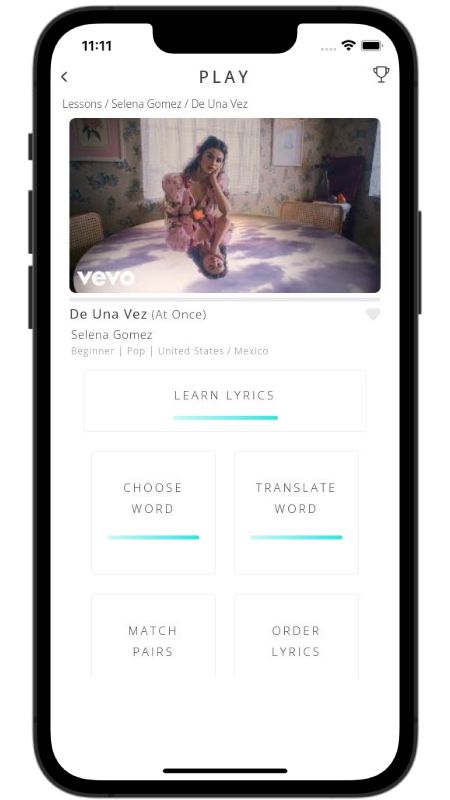
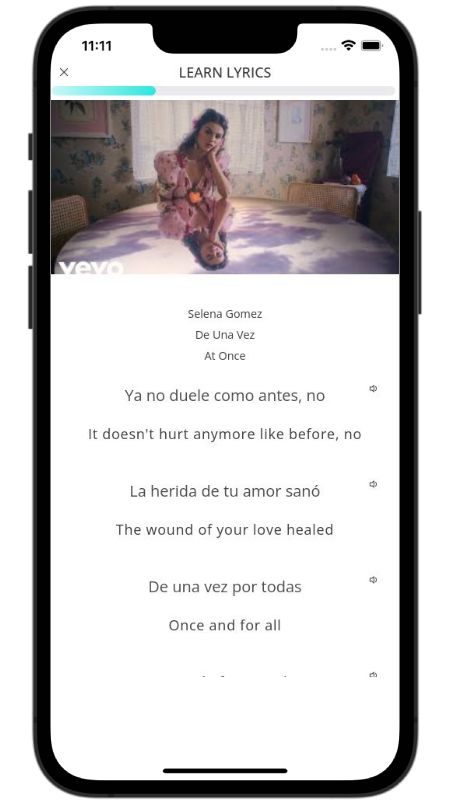
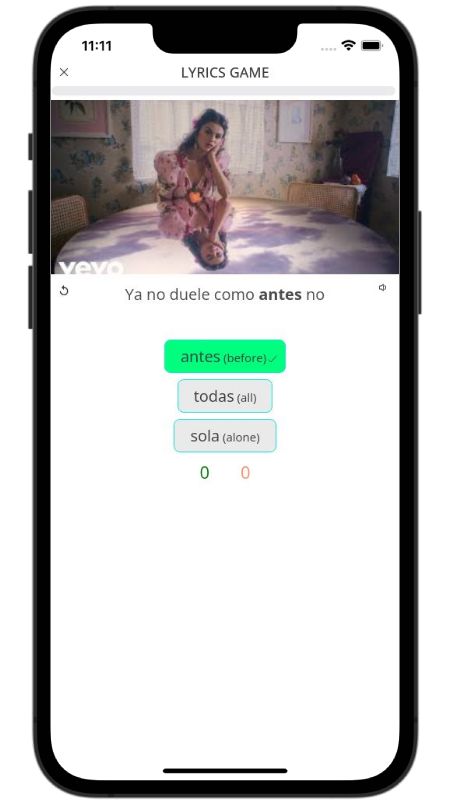
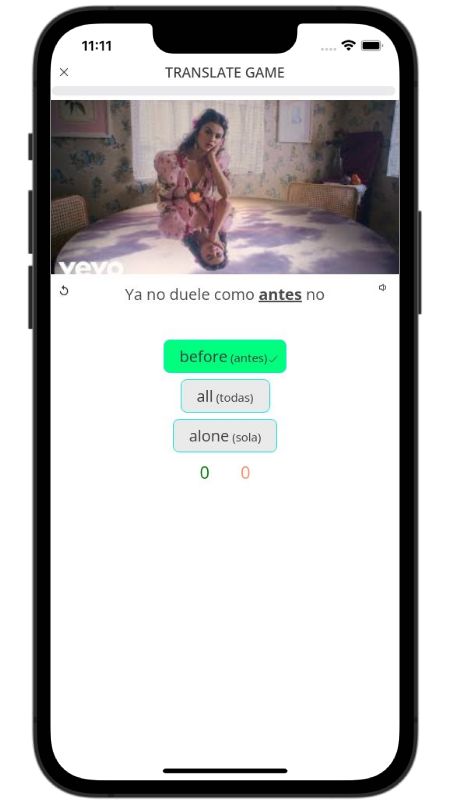
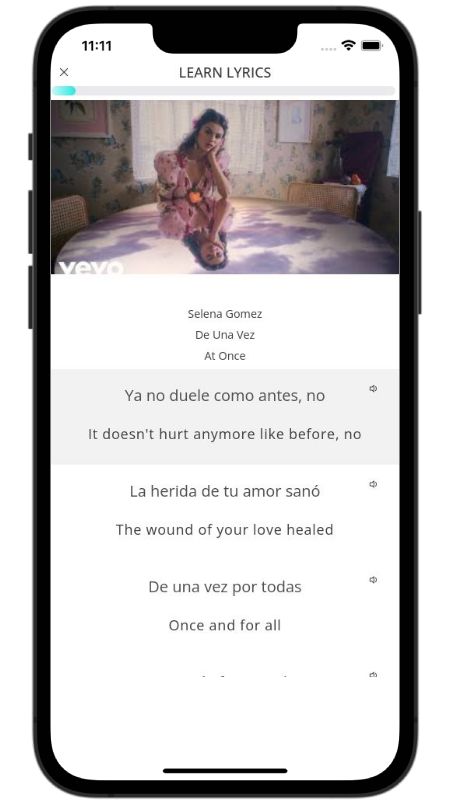
Selena Gomez turns a painful breakup into a victory lap in this smooth Latin pop track. Right from the start, she makes it clear that the hurt is over: "Ya no duele como antes, no / La herida de tu amor sanó" [It doesn't hurt like before, no / The wound of your love healed]. The title phrase, "De una vez por todas" [Once and for all], sets the tone for moving on completely. While she admits that being together clipped her wings ("cortó mis alas"), she is now completely guarded against any future hurt, singing "este pecho es antibalas" [this chest is bulletproof]. She also delivers one of the best lines about self-reliance in pop: "No te tengo a ti, me tengo a mí" [I don't have you, I have myself].
She does not hold back when letting her ex know that there is zero chance of getting back together. She sets an impossible condition with "Cuando se seque el último mar / Es cuando pensaré en regresar" [When the last sea dries up / That is when I'll think about returning], which is a wonderfully dramatic way of saying "never." Throughout the track, the message stays firm: "Soy más fuerte sola" [I am stronger alone]. It is a bold, clear-headed declaration that time has fixed what was broken, and she is totally fine on her own.