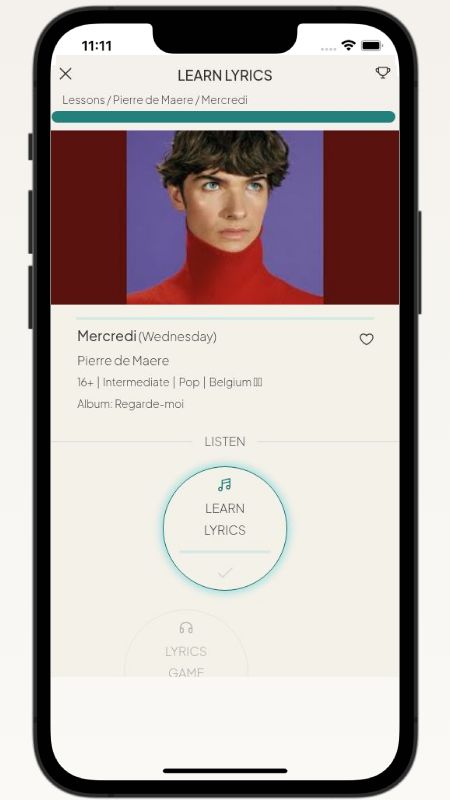
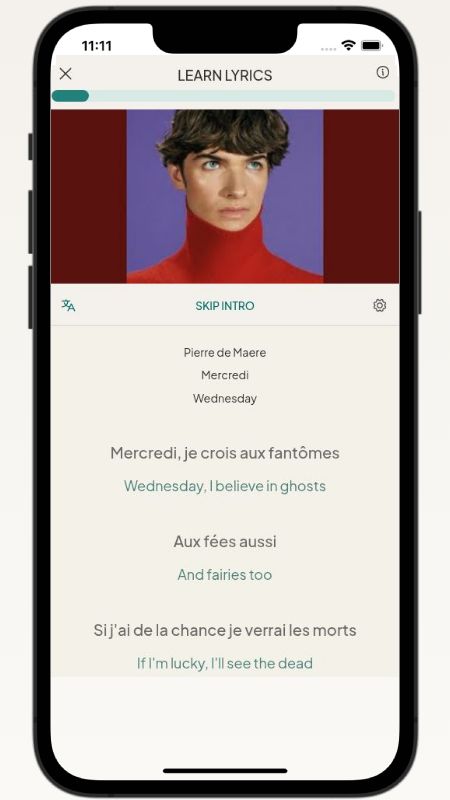
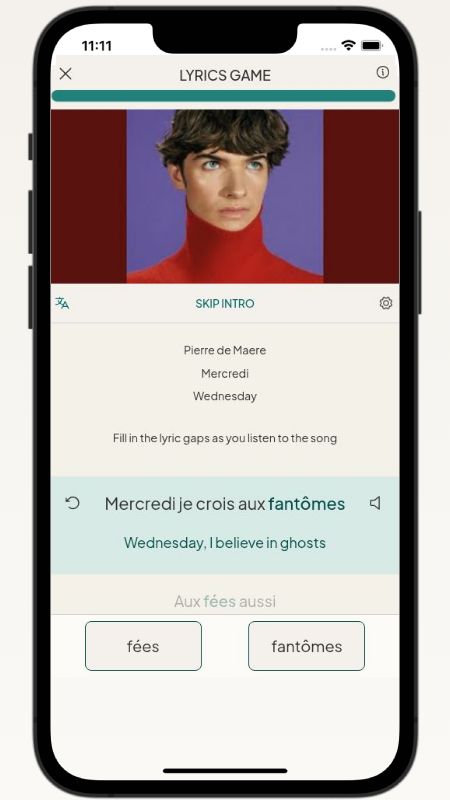
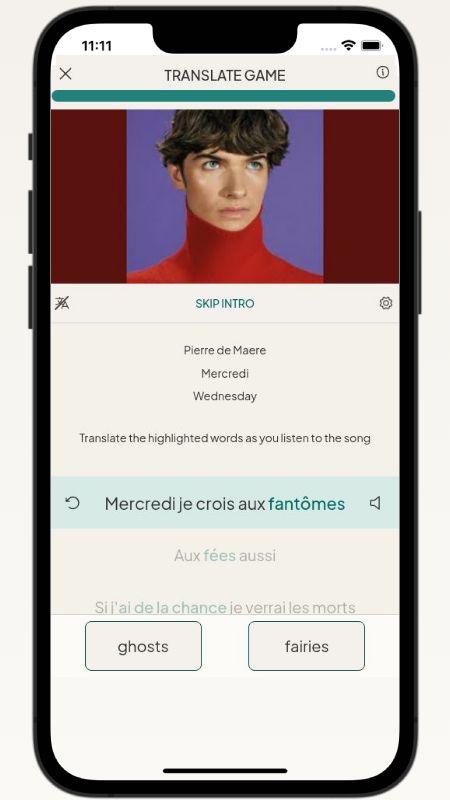
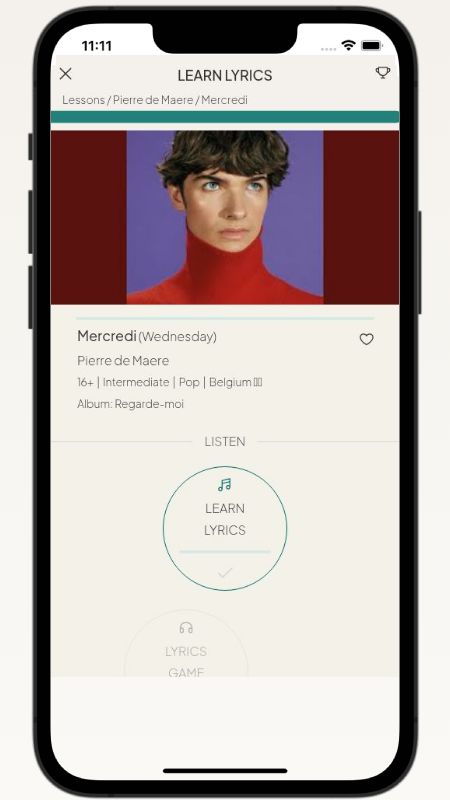
Mercredi Lyrics in English by Pierre de Maere
Hallucine comes from the verb halluciner, meaning "to hallucinate" or "to be delusional". It's a vivid and somewhat dramatic word that immediately grabs attention.
In the song, the narrator repeatedly exclaims, "Maman, j'hallucine, je vois les morts" (Mom, I'm hallucinating, I see the dead). This word is central to the song's theme of a fantastical, dreamlike state where the line between reality and imagination blurs, making it both memorable and key to understanding the lyrics.
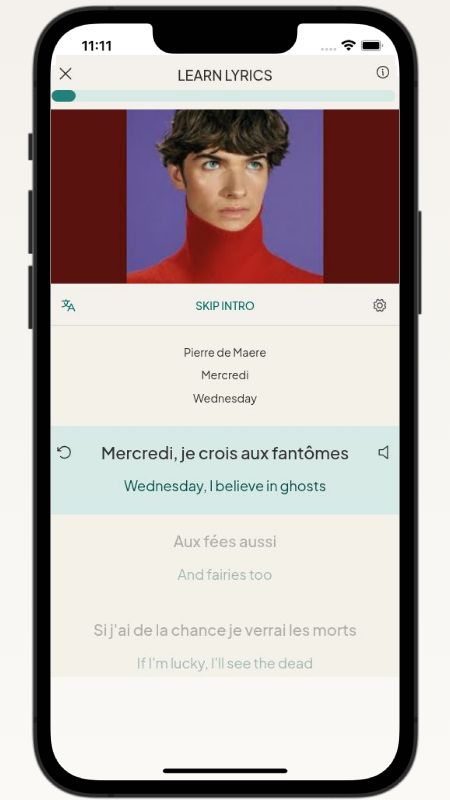
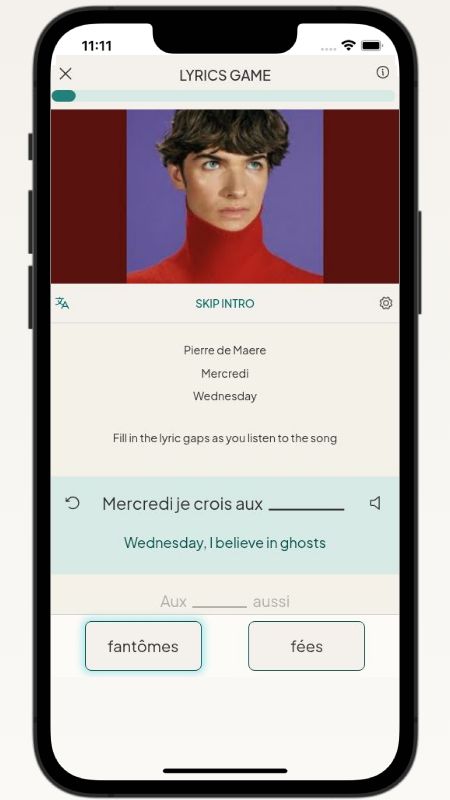
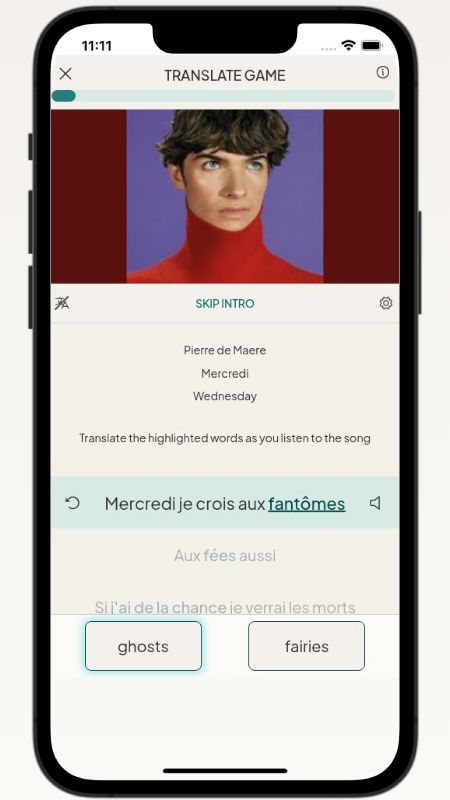
Ever feel like the real world is a bit boring? In "Mercredi," Pierre de Maere sings about escaping into a much more interesting one inside his own head. On Wednesdays, he says, "je crois aux fantômes / Aux fées aussi" (I believe in ghosts / In fairies too). He's not scared of these things; in fact, he hopes to see them, wishing, "Si j'ai de la chance je verrai les morts / Danser la nuit" (If I'm lucky I'll see the dead / Dance at night).
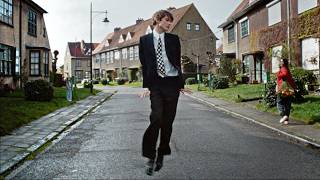
This isn't just a daydream. He sees a huge monster dancing in his living room, which turns out to be his dad panicking and thinking he's an idiot. He tells his mom he's hallucinating, but it sounds like a wonderful party he's in charge of: "Regarde-les qui dansent devant moi / Du bout de mes doigts, je guide leurs pas" (Look at them dancing in front of me / With my fingertips, I guide their steps). The song is a fun, defiant celebration of imagination over boring reality, rejecting people who "ne crois qu'en la sainte évidence" (only believe in holy evidence).