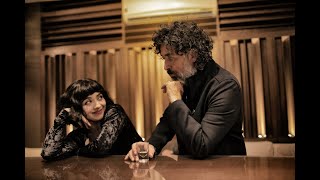
El Viejo Comunista Lyrics in English by Manuel García, Silvio Rodriguez
Desgastó comes from the verb desgastar, meaning "to wear out", "to exhaust", or "to erode" over time. It conveys the slow, gradual depletion of something, like fabric worn thin or emotions worn down.
In the line "Se curó de espanto, desgastó el llanto" ("He was cured of fright, he wore down crying"), the old man in the song describes how, after so much time, even his tears have been worn out by repetition and age.
This song, "El Viejo Comunista" by Manuel García featuring Silvio Rodriguez, is a really touching look at an old man reflecting on his past. He's sitting by his window, smoking as the rain falls, and thinking about his life. He sees "Palomas grises con la pena que fumara" [Gray doves with the sorrow he smoked], which is such a beautiful, sad image, connecting his present loneliness with his past.
He remembers a time when he was younger, full of passion for "un libro, un verso, una muchacha, un pensamiento" [a book, a verse, a girl, a thought]. He thought he was past being surprised by anything, that he had "se curó de espanto, desgastó el llanto" [healed from fright, worn out his tears]. But as he recalls old songs, conversations with friends, and the painful goodbye to his crying mother, he realizes that even now, "aún le duelen Los años La vida Su amor" [the years, life, his love still hurt him]. It's a powerful reminder that some pains never truly fade, no matter how much time passes.