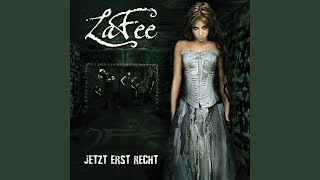
Prinzesschen Lyrics in English by LaFee
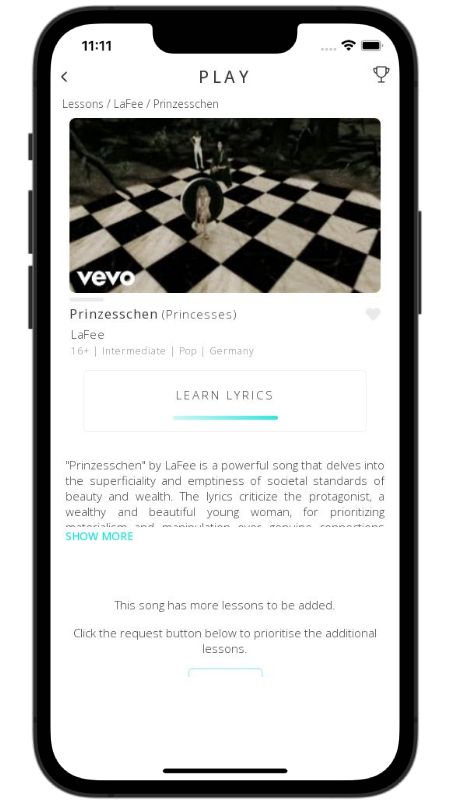
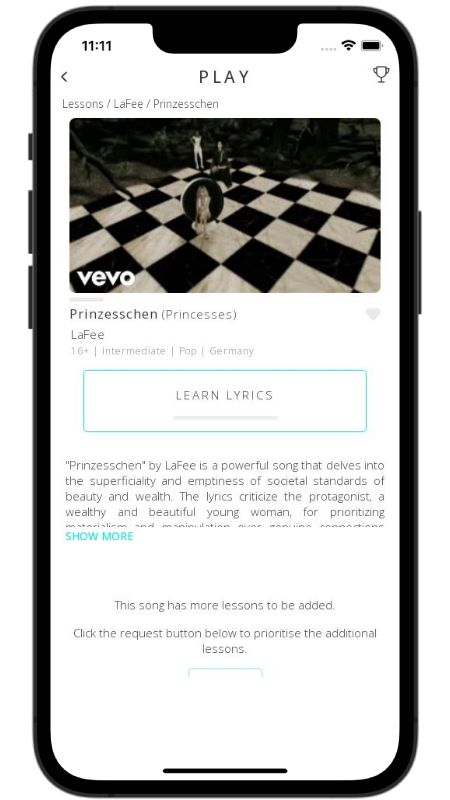
Prinzesschen is the diminutive form of "Prinzessin" (princess), meaning "little princess." The suffix "-chen" adds a sense of endearment, but in this song, it's used with a sarcastic and critical tone.
LaFee uses this word to mock a girl who acts entitled and superficial, highlighting her vanity and the emptiness beneath her beautiful exterior. It's a central theme of the song, making it both memorable and impactful.
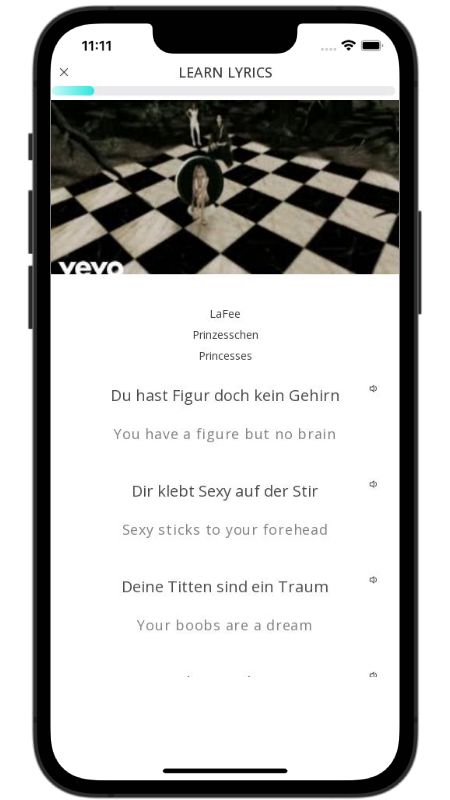
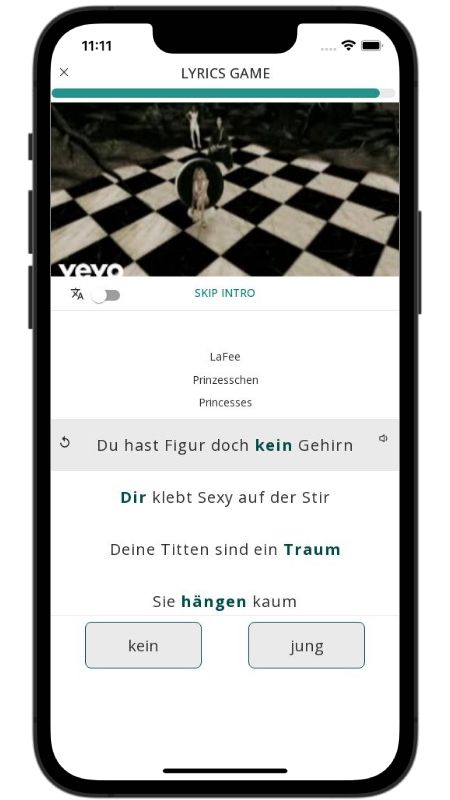
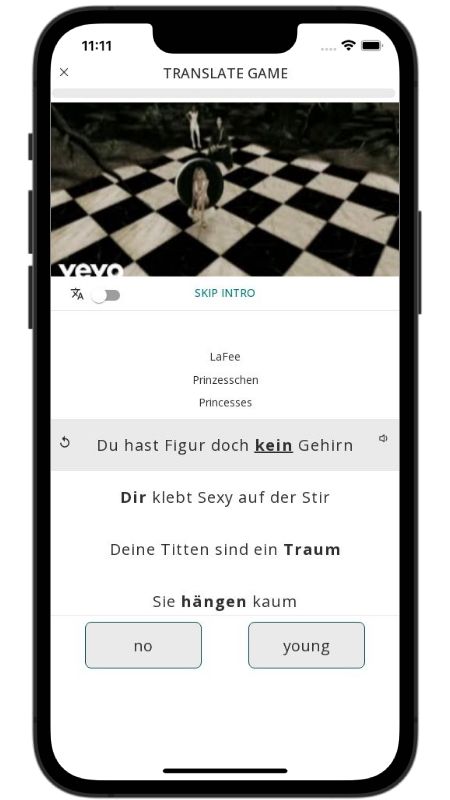
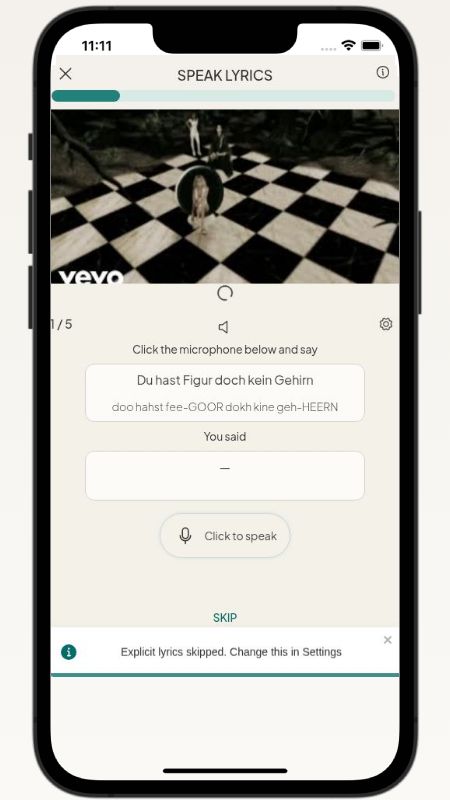
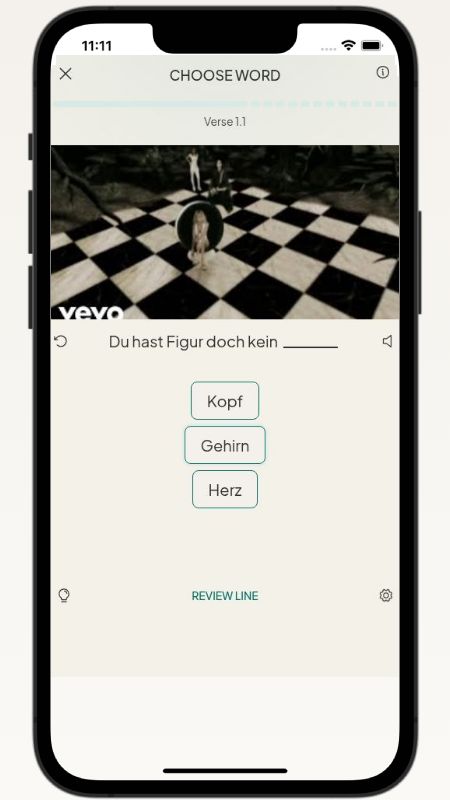
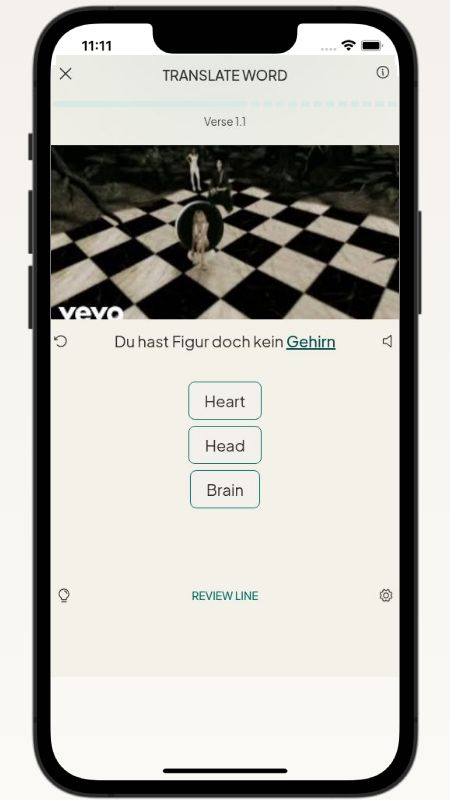
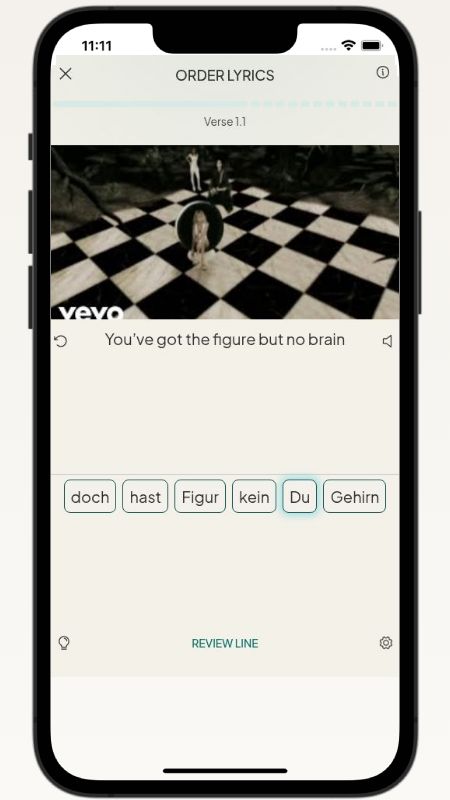
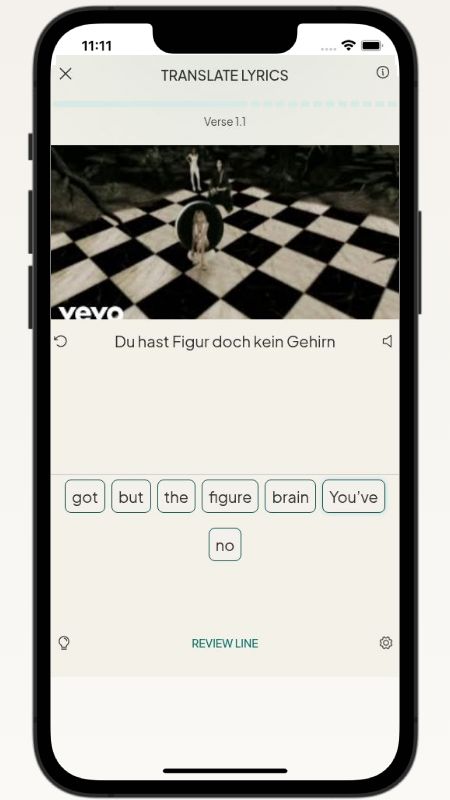
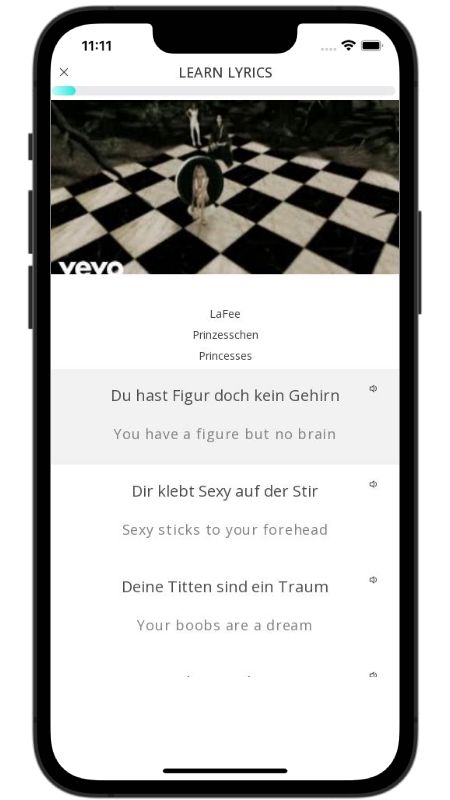
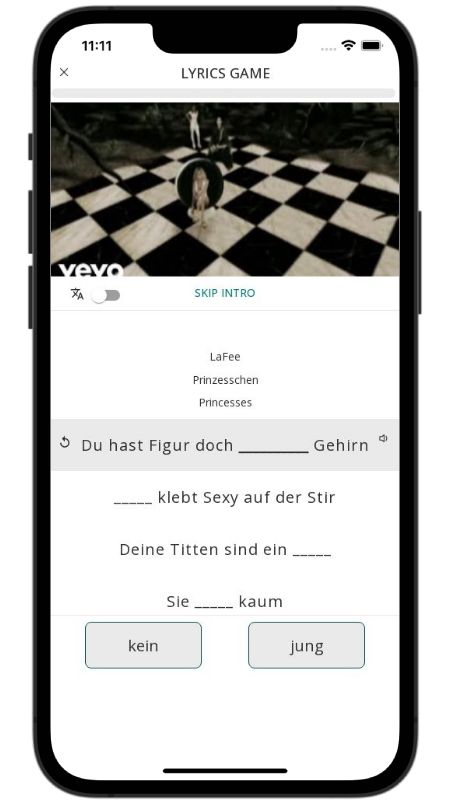
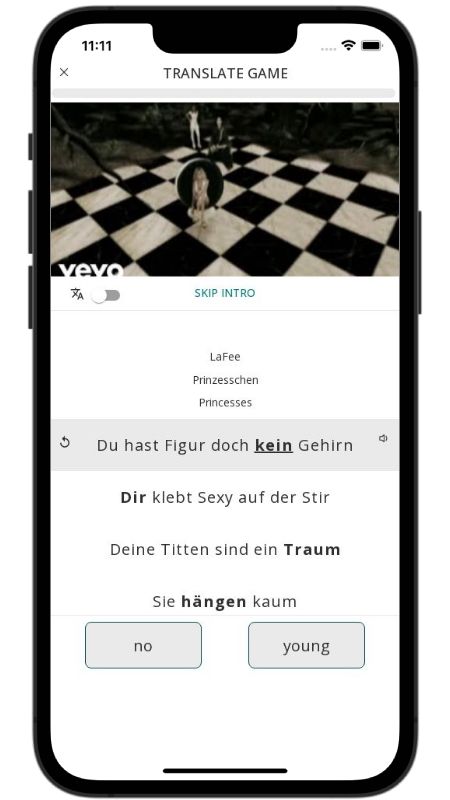
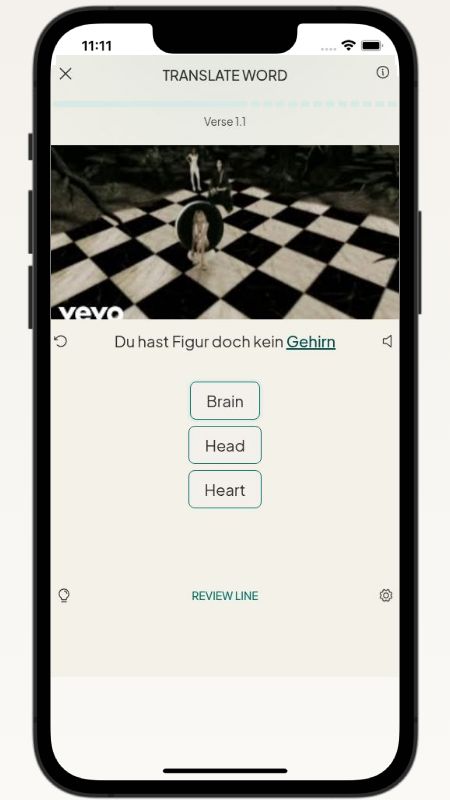
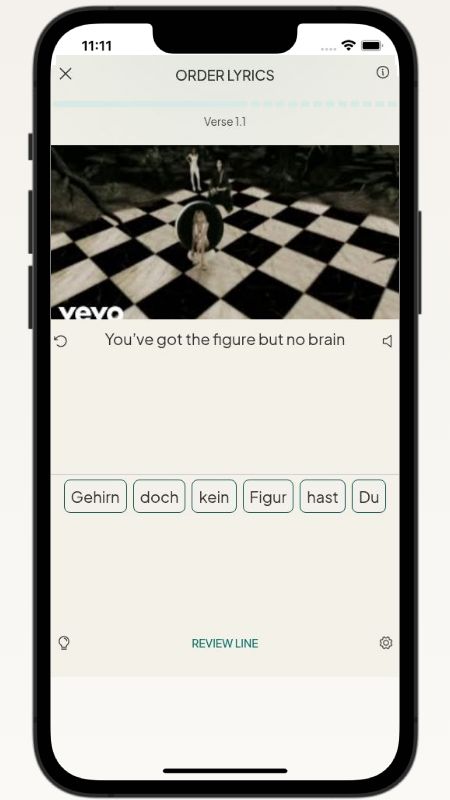
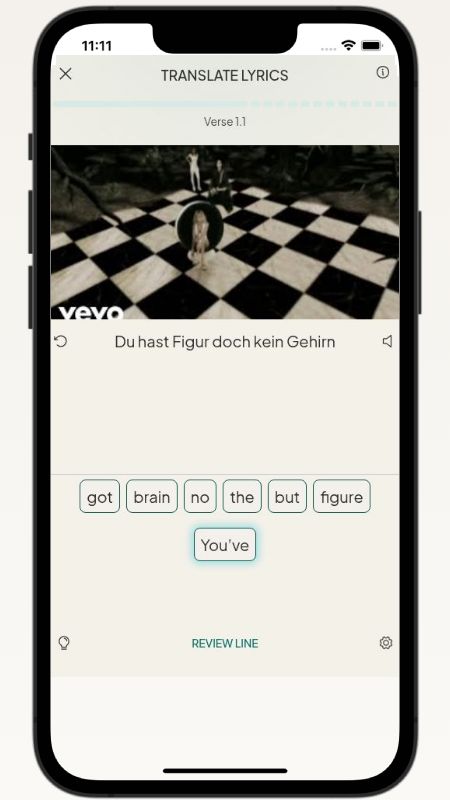
German pop artist LaFee comes out swinging in "Prinzesschen" ("Little Princess"), taking direct aim at a spoiled, shallow girl who has everything handed to her on a silver platter. Right from the start, she does not hold back, shouting "Du hast Figur doch kein Gehirn" ("You have a body, but no brain"). The whole song targets someone obsessed with her own reflection, calling out how she buys friends with cash ("Freunde kaufst du dir mit Geld") and rules the party scene as the "Königin der Nacht" ("queen of the night"). LaFee mocks her easy life with the delightfully blunt phrase "Deine Eltern sind stinkreich"—which literally means her parents are "stinking rich"—while noting that every guy falls for the act.
Beneath all the insults, though, the track points out the emptiness behind the perfect image. LaFee mocks the classic fairy tale trope with "Spieglein Spieglein an der Wand" ("Mirror, mirror on the wall"), contrasting that fairy-tale beauty with harsh reality: "Jeder liebt zwar dein Gesicht / Doch tief in dir, da ist nichts" ("Everyone loves your face / But deep inside you, there is nothing"). She even drops the sarcastic burn "Du bist so heiss wie ein Kübel Eis" ("You're as hot as a bucket of ice"). It is a fierce, brutally honest anthem about seeing right through rich, self-obsessed popular girls who treat other people like disposable playthings.