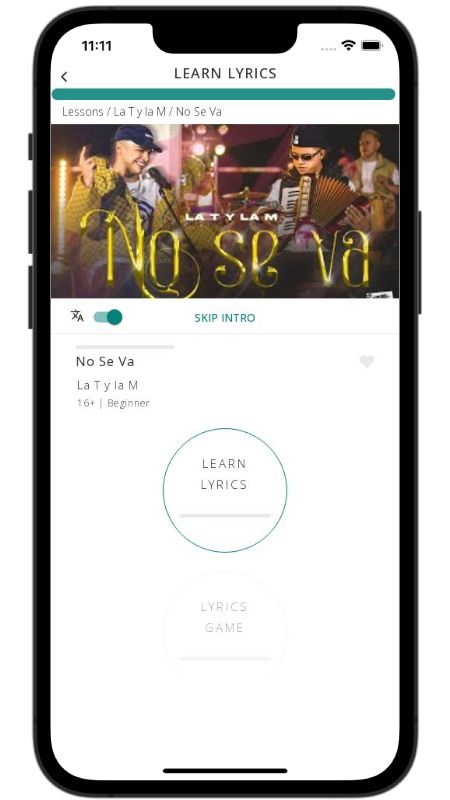
No Se Va Lyrics in English by La T y la M
Bala perdida literally translates to "stray bullet". It's a powerful and somewhat dramatic phrase that you don't often hear in romantic songs, making it very unique.
In the song, the lyric "Tú eres mi bala perdida" (You are my stray bullet) is a striking metaphor. It suggests that the person is an unexpected, impactful, and perhaps destined force in the singer's life—something that hit them out of nowhere and changed everything, much like a stray bullet, but in a romantic and captivating way. This poetic use makes it incredibly memorable and enticing.
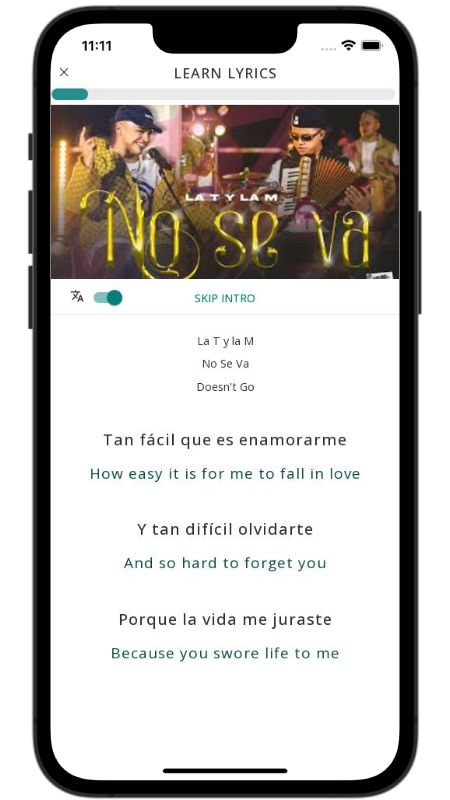
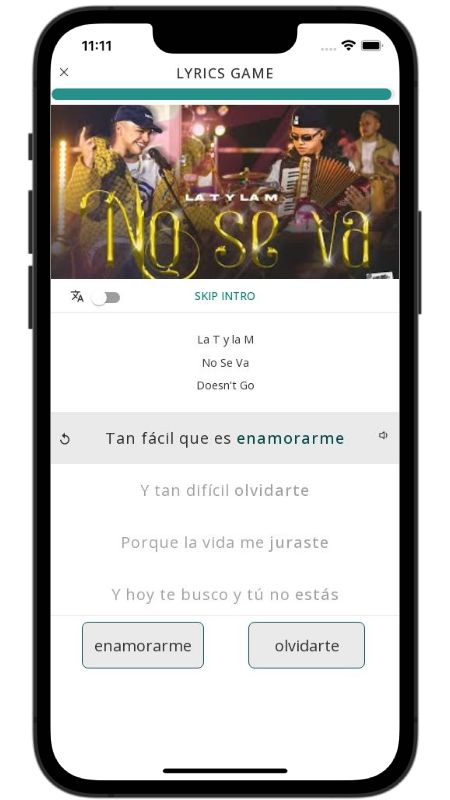
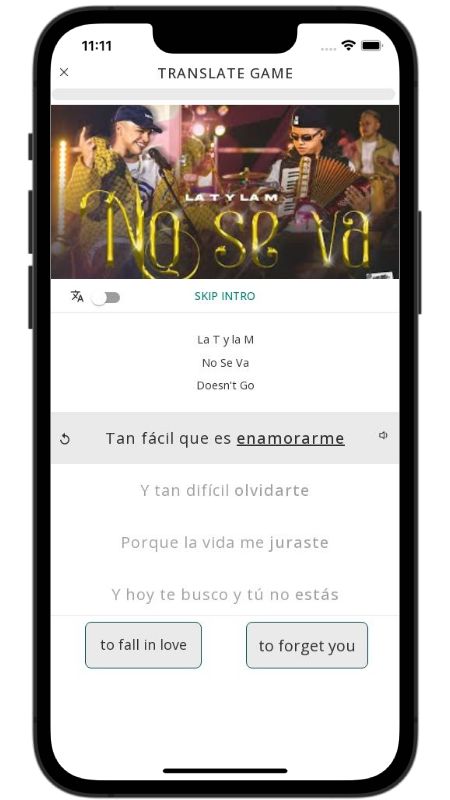
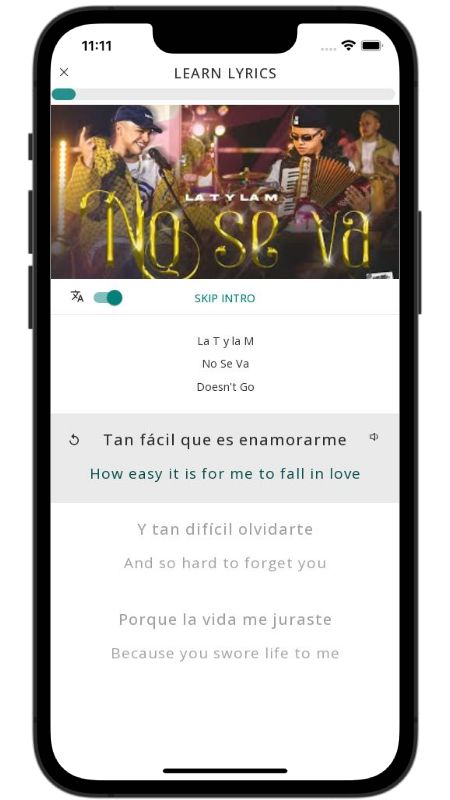
Have you ever tried to unlove someone and completely failed? That is the whole mood of "No Se Va" by Argentine act La T y la M. The singer is totally obsessed. He admits right off the bat, "Tan fácil que es enamorarme / Y tan difícil olvidarte" [It's so easy to fall in love / And so hard to forget you]. Even though staring at her photo stings, he says "Yo entreno a mi corazón roto" [I train my broken heart] just in case they run into each other again. That line is hilarious and sad at the same time: he treats getting his feelings hurt like going to the gym, prepping for round two.
He is willing to take this obsession across entire continents, promising to search "De Bogotá hasta Buenos Aires" [From Bogotá to Buenos Aires], directly linking Colombia's capital to Argentina's. Then he drops a brilliant piece of Spanish slang, calling her "mi bala perdida" [my stray bullet]. In English, a "stray bullet" usually sounds dangerous, but here it describes an unpredictable wild card, someone reckless who hits you out of nowhere and wrecks your life in the best and worst way. With every plea of "Quédate otra vez" [Stay again], he makes it clear: memories do not just vanish because you want them to.