Lambada Lyrics in English by Kaoma
Lambando is a fascinating word because it's not a standard Portuguese verb. It was creatively invented for this song, derived from the noun Lambada, the name of the famous Brazilian dance.
The -ando suffix is the Portuguese equivalent of the English -ing ending for verbs. Therefore, Lambando essentially means "dancing the Lambada." The line "Lambando estarei" translates to "I will be dancing the Lambada," perfectly capturing the song's blend of nostalgic sorrow and the joyful energy of the dance.
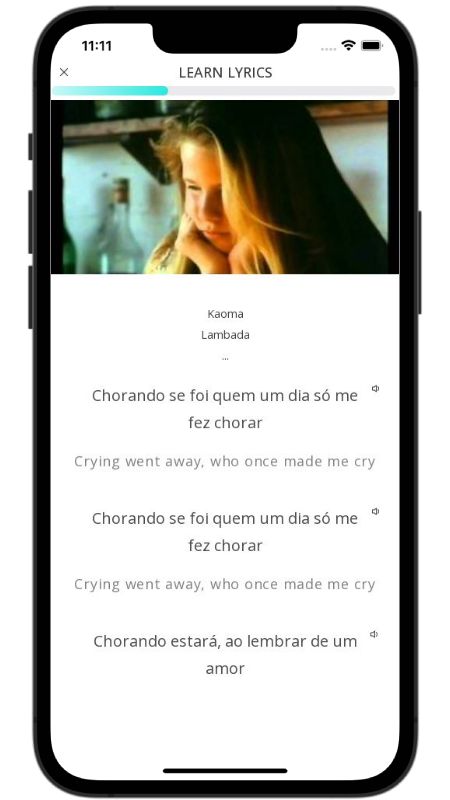
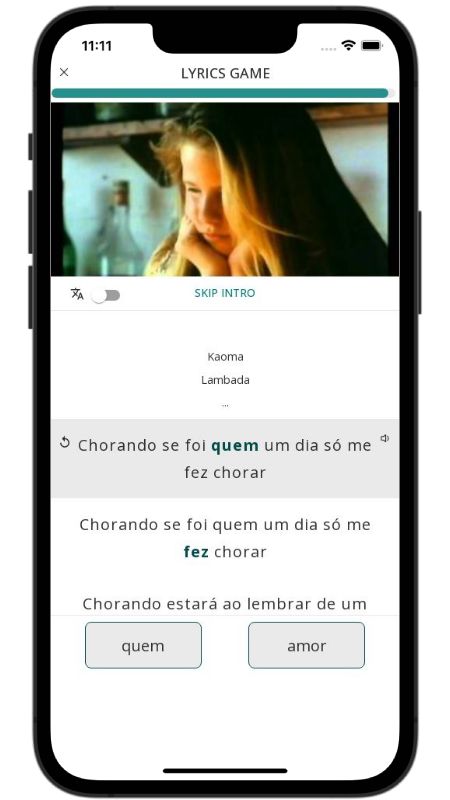
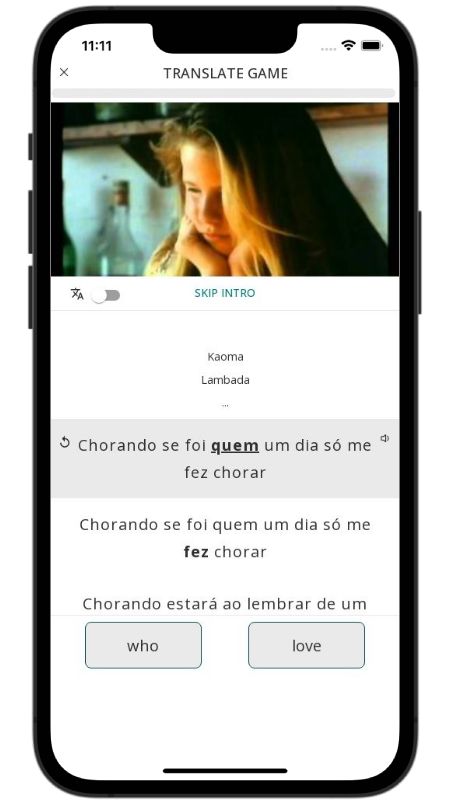
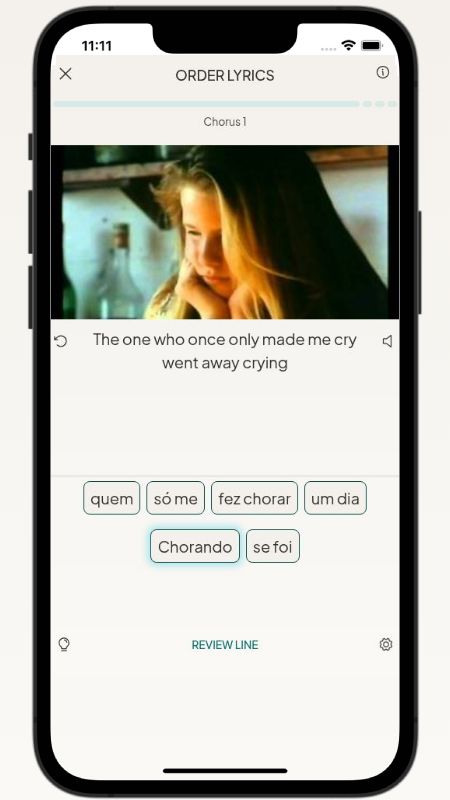
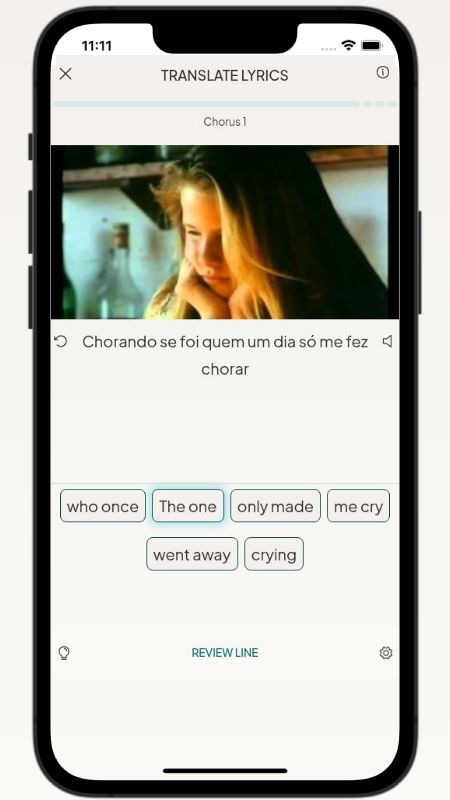
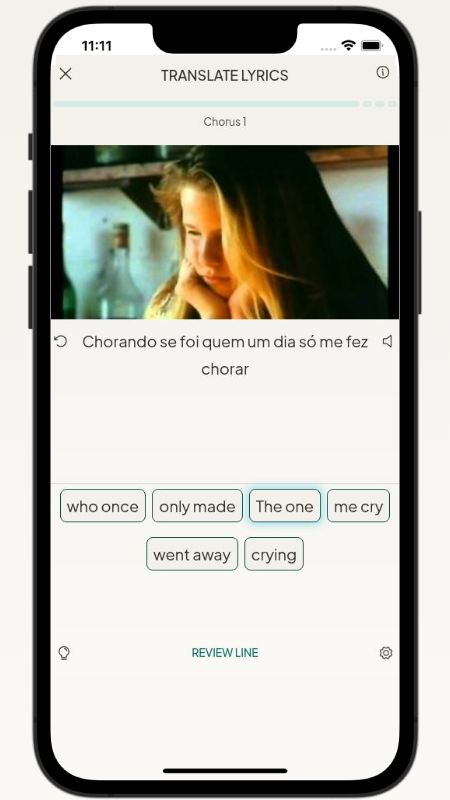
You hear that accordion kick in and you want to dance immediately, but listen to what Kaoma is actually saying: it is pure revenge disguised as a party. The opening line hits with zero mercy: "Chorando se foi quem um dia só me fez chorar" ("He left crying, the one who once only made me cry"). The singer turns the tables completely. While her ex wanders off in tears, haunted wherever he goes because he never learned how to look after love ("não soube cuidar"), she packs her memories with better things: "Dança, sol e mar" ("Dance, sun and sea").
Notice the playful verb she invents in the chorus: "Lambando estarei" ("I will be dancing the lambada"). Instead of brooding over the past, she transforms the dance floor into her healing space. Love came, ruled like a king for a single second ("Por um dia um instante foi rei"), and fell apart. But between the music, laughter, and pain ("Canção riso e dor"), she chooses to shake it off while her ex is left sobbing. It is the ultimate feel-good payback track.