Instinto Lyrics in English by Gamadinho
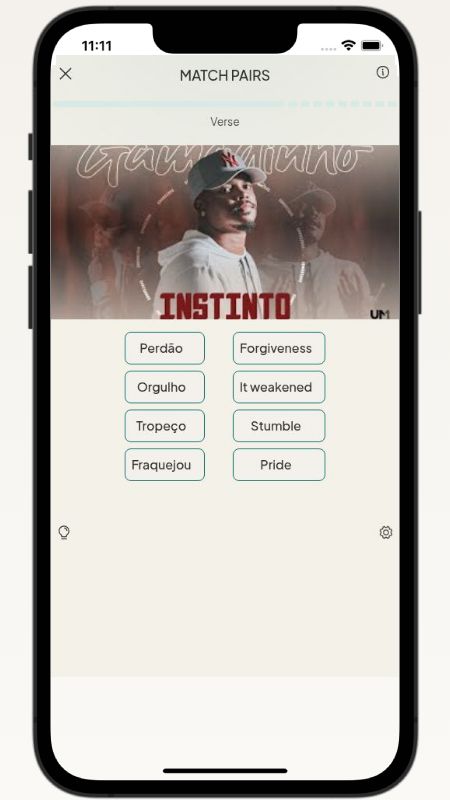
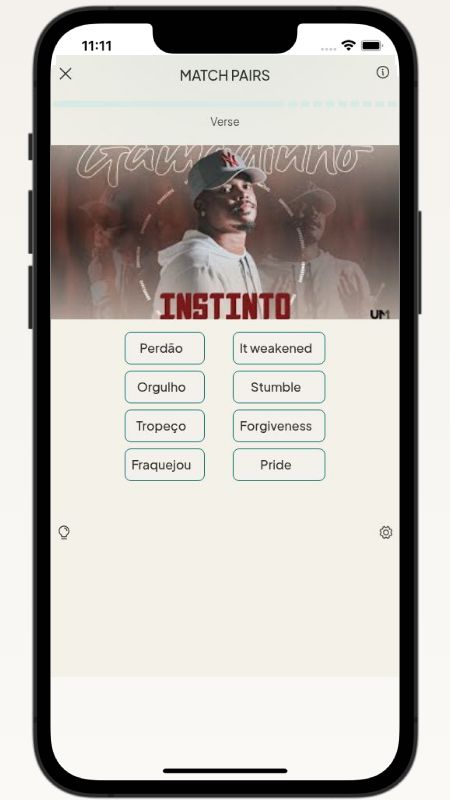
Tropeço literally translates to "stumble" or "trip," but it's often used metaphorically to mean a "misstep" or "mistake."
In this song, the artist uses tropeço to refer to a significant error or lapse in judgment in a relationship, acknowledging the pain it caused. It's a more evocative and less common word than simply saying "erro" (mistake), adding a layer of vulnerability and regret to the lyrics.
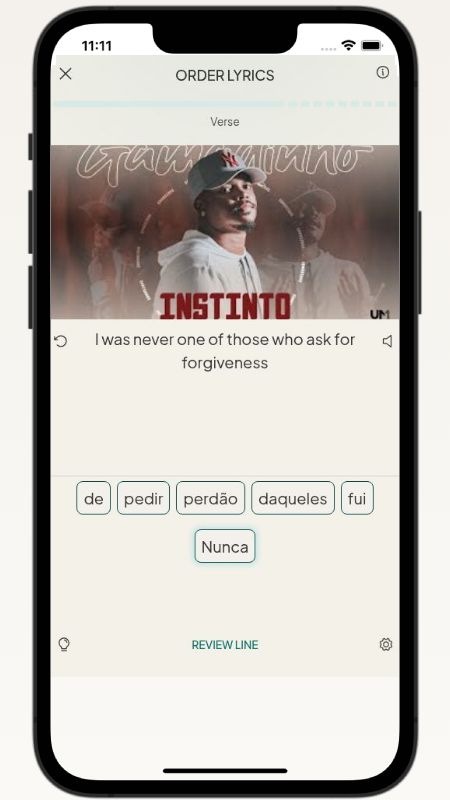
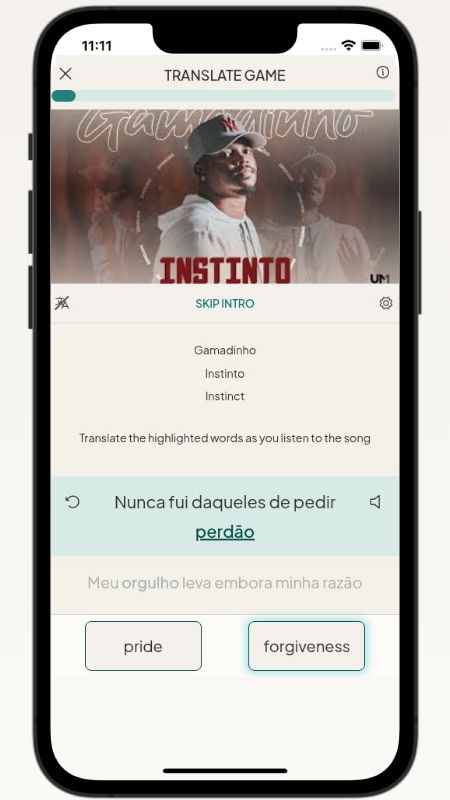
In "Instinto," Gamadinho sings from the perspective of someone confessing a mistake in a relationship. He admits he's not usually one to ask for forgiveness, but he knows his "stumble" has caused a lot of pain. He describes it as a moment of weakness, a "slip" where his "flesh was weak," and he's not even sure how it happened.
Instead of making excuses, he blames his actions on instinct. The core of the conflict is revealed in the line, "um amor a dois não se vive a três," which means "a love for two can't be lived as three." This powerful image confirms he was unfaithful. He seems to accept the consequences, telling his partner that maybe someone else is the "right guy" for her and that he'll have to live his life without the person he can't be with.