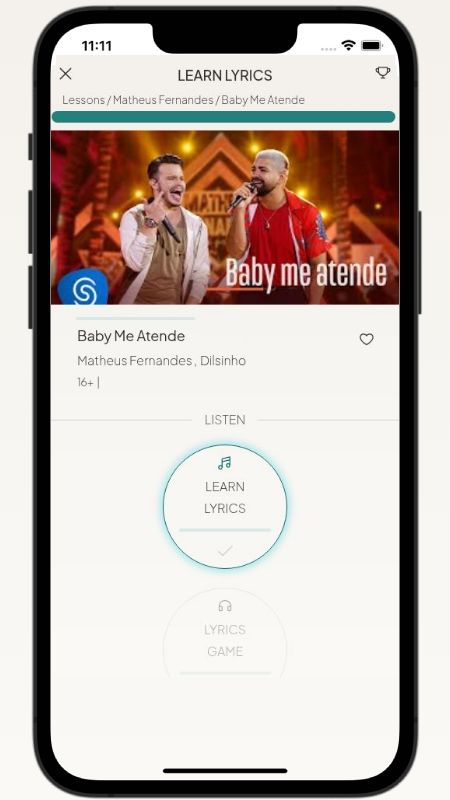
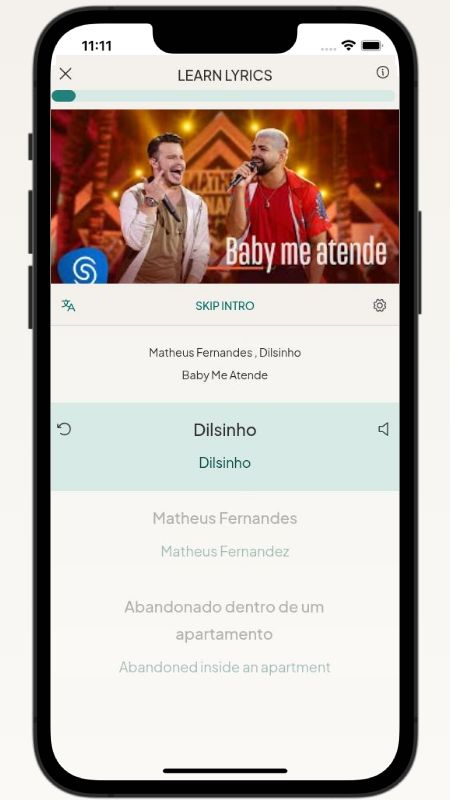
Baby Me Atende Lyrics in English by Matheus Fernandes, Dilsinho
Desesperado means "desperate" or "hopeless." It's a strong emotional word that perfectly captures the intense feelings expressed in the song.
In "Baby Me Atende," the singer uses this word to describe his emotional state, singing "coração desesperado" (desperate heart). It highlights his profound distress and longing for his ex-partner to answer his calls, making it a key word for understanding the song's central theme of heartbreak and yearning.
This song is about the hours right after a breakup, when the apartment is still full of the other person and the phone has stopped ringing back. The singer describes himself as abandoned inside his own home, anxious, drinking hard liquor because his heart has gone cold. Love and anger are sitting side by side in the same room.
The details are small and very physical. Picture frames and wall frames are broken. Pieces of an ex love are scattered everywhere. Nothing is being tidied up, because the person is too busy hurting to clean.
The chorus is one simple plea repeated: baby, pick up. Every call goes to voicemail, and the line "after the beep leave your message" is what he hears instead of her voice. That recorded greeting becomes the cruelest sound in the song, and it pushes him to the point of wanting to throw his phone at the wall.
Matheus Fernandes and Dilsinho sing it as a duet, so the two voices trade the same complaint back and forth like friends comparing notes on the same bad night. Musically it stays light and danceable, which is part of the point. In Brazilian pagode and sertanejo, heartbreak is usually something you sing out loud with other people rather than something you hide.
By the end they are calling her together and asking the crowd to make some noise, turning a private rejection into a shared one. The hurt does not get resolved. It just gets easier to carry once it has a beat under it.