Learn Spanish With El As De La Sierra with these 17 Song Recommendations (Full Translations Included!)
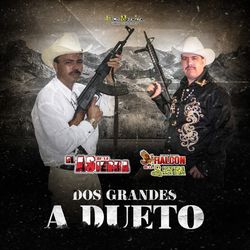
This song is a really heartfelt and a little bit melancholic look at what happens after life. The singer is thinking about leaving this life and how "el mundo es ingrato" [the world is ungrateful]. He doesn't want to be in the traditional cemetery, "el camposanto," when he's gone. Instead, he wants to be buried "entre los montes" [among the mountains], with a "cruz de palo" [wooden cross] on his tomb. It's a very personal wish, almost like he's already tired, saying "mi alma está muy cansada" [my soul is very tired] and that he's cried so much.
Even with that sadness, there's a sense of peace and acceptance. He mentions the warmth of his parents and that there's "ya no hay tristeza" [no more sadness]. It feels like he's ready for what's next, guided by a light, knowing that "la muerte muy pronto tendrá que llegar" [death will have to arrive very soon]. It's a beautiful, reflective song about finding comfort in nature and in memories, even when facing the end.
Have you ever been let down by someone you thought was a true friend? El As De La Sierra's "Los Falsos Amigos" [False Friends] is all about that feeling. He talks about how easy it is to have friends when things are good, saying "en mis amigos de salud es el mundo" [in my healthy friends is the world]. But when trouble hits, like when "llueve el mismo mal" [the same evil rains], that's when you find out who your real friends are.
He really hits home with the idea that "vale más tiene se levanta cuando se cae desde arriba" [it's worth more to get up when you fall from above], meaning it's better to rise up after a big fall. He even uses a funny image about a calf, saying "cuando se mama el becerro y queda blanco el ganado" [when the calf sucks and the cattle are left white] – basically, when things are good and easy, everyone's around. But when things get tough, those who said "soy tu amigo" [I'm your friend] disappear, running "como venas" [like veins]. It's a blunt but honest look at how some people only stick around for what they can get, especially when money is involved, asking "cuánto tienes cuánto baile" [how much you have, how much you dance]. It's a great song for anyone who's learned a hard lesson about friendship!
Get ready to dive into the lively world of El As De La Sierra's "Alegre Y Mujeriego - En Vivo"! This song is all about embracing a carefree attitude and enjoying life to the fullest. The singer tells us, "me gusta la cerveza linda" [I like pretty beer], setting the scene for a good time. He also mentions a special "muchachita que estoy enamorado" [girl I'm in love with], but it seems like his love for beer might be a bit of a challenge for her!
The lyrics playfully suggest that he's known as "alegre" [happy] wherever he goes, and his philosophy is to "gozar la vida antes de que una mujer" [enjoy life before a woman] changes things. He even declares, "conmigo es con cerveza me voy a aparecer" [with me, I'm going to appear with beer], inviting anyone who feels up to a challenge to join him. It's a fun, blunt take on living in the moment and enjoying your vices, with lines like "hay que gozar la vida mientras que los muertos" [you have to enjoy life while the dead] emphasizing this carpe diem spirit. It's a song that makes you want to grab a drink and dance!
This corrido, "El Corrido De Eleodoro," tells the story of Eleodoro, a man born and raised in Guerrero, Chapultepec, described as a "pionero" [pioneer] and a "hombre cabal y derecho" [upright and honest man]. The song starts by saying that "cristianos persiguen al hombre cuando se propone vivir más tranquilo" [Christians persecute man when he decides to live more peacefully], which sets a bit of a dramatic tone from the start. Eleodoro's life changed quickly, and he started making a lot of money.
He even helped people cross to the other side, to Sonora, which the song calls "el mundo de polleros" [the world of chicken sellers – a slang term for human smugglers]. Eleodoro told his brothers he wanted to "armar un ranchito en la tierra porque mi fortuna quiero publicar" [build a little ranch on the land because I want to make my fortune public]. Unfortunately, some "falsos amigos" [false friends] saw this as an opportunity to rob him. They ambushed him behind some rocks, and he was shot down with his horse. The song ends on a sad note, saying that he passed away, but his son was left in a coma. It's a pretty intense story about ambition, betrayal, and a tragic end.
This song, "El Chicahuas," tells the story of Mario, a man from Sinaloa, California. Even as a young boy, Mario showed he was a decisive person, someone who knew how to handle himself. He was always careful and made big deals, trying to be honest in his business. He didn't like it when people played dirty with him.
Mario was always cautious, knowing life had a price. It's almost as if he sensed what was coming. He was in Sinaloa, and though he was on his guard, he was ambushed. The lyrics say, "lo acompañaba el tornillo esperaron por la espalda" (the screw accompanied him, they waited from behind). He was shot in his car. The song ends with his body being sent back in a box, bearing his brother's name, and his family and friends mourning him, while the "parents guard them" ("los padres guardarlos") from the trap. It's a classic corrido about a life lived with caution but ending in tragedy.
This corrido, "El Compa Cebollo," tells the story of Pedro Mojarro, also known as "El Cebollo." The song begins by setting the scene in the "Petaca de los Chivos medio del valle del Yaqui" [Goat's Suitcase in the middle of the Yaqui Valley], where Pedro grew up. He started making a name for himself at 17, traveling between Sudan and California.
The lyrics celebrate his success, noting that "Ahora todo es diferente hay billetes para gastar" [Now everything is different, there's money to spend]. Despite his wealth, he's described as a "persona muy humilde" [very humble person] who helps his community. The song also gives a shout-out to his friends in Nayarit, and ends with El Cebollo heading back to his ranch, ready to celebrate with music!
Get ready to meet a true character in El As De La Sierra's "El Bandolero"! This song introduces us to a self-proclaimed "bandolero" [outlaw] who is quite the observer. He tells us, "Soy bandolero y me gusta observar" [I'm an outlaw and I like to observe], suggesting he's seen a lot of the world's suffering and people not being believed. He's not interested in love or beliefs, stating, "De amores creencias ninguna de las veces" [Of loves, beliefs, none of the times]. Instead, he's all about money and giving advice to his friends.
Our bandolero is a confident guy, especially when it comes to women. He says, "Que eres hermosa yo he visto a las promesas y amor recibir" [That you are beautiful, I have seen promises and love received] but then adds, "pero me quieren pagar por el mundo sólo les tengo un recuerdo de mí" [but they want to pay me for the world, I only have a memory of myself for them]. It seems he's had experiences where women are interested in what he can provide. He ends the song with a defiant farewell, saying he'll be back and reminding everyone, "no se olviden que soy bandolero y tengo dinero y que vivo feliz" [don't forget that I'm an outlaw and I have money and that I live happily]. It's a fun, bold declaration of his lifestyle!
This live performance of "Presentación" by El As De La Sierra is a lively introduction where he tells us a bit about himself and his life. He starts by saying he was "nació en la sierra entre arroyos y barrancos" [born in the mountains between streams and ravines], painting a picture of his humble beginnings. He describes himself as a "muchacho alegre que me aparezco tomando" [happy guy who shows up drinking], which gives you a sense of his laid-back and perhaps rebellious spirit.
He mentions people call him a "traficante" [drug trafficker], but he quickly dismisses it, saying "no hay quien lo sostenga" [there's no one to prove it]. He emphasizes his roots as "humilde gente del campo" [humble country folk]. He also thanks his friends for their support, saying he wants them to remember him through his "canciones y mis corridos" [songs and corridos] if he's ever gone. It's a fun, direct way to meet the artist and get a feel for his world!
Get ready for a wild ride with El As De La Sierra's "La Loba De Mal"! This song is a bit of a mystery, but it definitely has a strong, defiant vibe. The singer starts by talking about "la loma del mar" [the hill of the sea] and how people saw it, but he doesn't care because "mi burro se murió" [my donkey died]. It's a funny, blunt way to say he's got bigger things on his mind than what others are seeing or saying.
Then he gets into some relationship drama, telling someone, "no se me hace que el marido no te quiere como yo" [I don't think your husband loves you like I do]. He's pretty confident in his own feelings! The lyrics also mention trying to get out of houses with companions, and even some intense imagery about "seis balas" [six bullets]. It's a bold and somewhat chaotic song, full of strong opinions and a bit of a rebellious spirit. You can feel the emotion and a touch of danger in his words, making it a truly engaging listen!
Get ready to feel the pride and love for Culiacán! In "Lindo Culiacán," El As De La Sierra pours his heart out for his homeland. He sings, "de la tierra de ensueño con honor yo te doy mi canción" [from the land of dreams with honor I give you my song], showing how deeply connected he feels to this place. It's clear that Culiacán inspires him, as he mentions, "en mi alma filtrase una luz que es tratarlo y la inspiración cuando estoy cantando tus ríos" [a light filters into my soul that is treating it and the inspiration when I am singing your rivers].
He takes us on a journey through his memories, mentioning places like "rosales no nos dio mi primera ilusión" [rosales gave us my first illusion] and "tierra blanca y también la lomita" [white earth and also the little hill], which clearly hold a special place in his heart. He also praises the women, saying they are "mujeres orgullos eran porque sabes sobre cantar" [women were proud because you know how to sing]. This song is a beautiful tribute, full of affection for his roots and the people who make Culiacán special.
This song, "Catarino Y Los Rurales," seems to tell a dramatic story of a confrontation between Catarino and a group called "los rurales" (the rural police or guards). It starts with a friend dancing, but then things take a dark turn with "cuatro muertos ya más bajo catarino" [four dead already below Catarino]. It sounds like a serious fight happened!
The lyrics describe Catarino and the rurales getting into a big fight, with "a los rurales ganado" [the rural ones won]. Someone named Ceferino is shouting, calling the men "desgraciados muertos de hambre" [wretched, starving men]. It's a pretty intense scene with a lot of strong feelings and action, ending with a mention of "balas de plomo" [lead bullets]. It's a vivid story of conflict and struggle.
This song feels like a quick, mysterious portrait of a man whose life moves between modest beginnings and great wealth. The line “de los pies a la cabeza es bajito de estatura” [from head to toe, he is short in height] gives us a memorable physical detail, while “ya conoció la pureza, conoció la riqueza” [he has known purity, he has known wealth] places him between innocence and luxury. The lyrics also mention “residencias” [residences] and a “casa campaña” [a country house or tent-like home, depending on the intended wording], so his world seems to include both expensive places and simpler settings.
There is danger around him too. The lyrics speak of “del infierno se escapa” [he escapes from hell] and of people who “lo venden” [sell him out or betray him]. Yet the song also gives him a more personal side: he knows how to listen, remembers “viejos amigos” [old friends], and sends a message to his nephews, called “mis sobrinos” [my nephews]. The Spanish is fragmentary in the version provided, which makes some images hard to pin down, but that is part of the song’s character: brief flashes of a short, wealthy, guarded man moving through danger while still keeping family and old friendships in mind.
"El Ausente" (The Absent One) is a homecoming song with a sting in it. The singer has been away, "de la tierra de donde estaba" (from the land where I was), and is finally allowed to go back: "y se me concedió volver" (and I was granted the chance to return). He admits he never expected this moment, "que no te volvería a ver" (that I would never see you again).
But the reunion is cold. He complains that she "me niegas la luz del día" (you deny me the light of day), and he decides her hope has gone the same way as his: "se me hace que tu esperanza le pasó lo que a la mía" (I think your hope went the way mine did). The chorus lands the blame: "por andar en la vagancia perdió un amor que tenía" (by wandering around idle, he lost a love he had).
There is a pretty image in the middle too, a "estrellita reluciente" (shining little star) he speaks to directly.
Learner tip: se me hace que... is a very Mexican way to say "I think that..." or "it seems to me that...", and andar en la vagancia means drifting around with no job or direction.
This song feels like a musical tribute to Abel Moreno, connecting him to the municipality of Morelos in Chihuahua. The lyrics call it “muy pequeño” [very small] and remember how the land and its people shaped him. He learned to sing while he was still a child, and before long he was singing corridos, the story-driven songs of regional Mexican music. The line “ya cantaban sus corridos” [they were already singing his corridos] suggests that his songs had become part of the community’s memory.
The tribute also names the groups and musicians around him, including Los Mensajeros and Huracán Tropical, as well as friends from the Valle del Carrizo. The lyrics describe his musical skill through “sus acordes” [his chords] and mention that he was often with his group. Later, the mood turns to farewell: “tenemos que alejarnos” [we have to move away] and “descanse en paz” [may he rest in peace]. The final promise is simple and direct: “siempre lo recordaré” [I will always remember him].
“La India Bonita” is a love song about falling completely for a beautiful Indigenous woman. The singer says, “me enamoré perdidamente de una india bonita” [I fell madly in love with a beautiful Indigenous woman], and says she gave him all her love in return. Her affection softens his heart, using the image of a soul eager for love. It is sweet, direct, and a little dramatic in the best traditional-romance-song way.
Then the mood turns to separation and despair. He says, “mi vida le entregué sin pensar” [I gave her my life without thinking], which means he committed himself completely and without hesitation. Now he says he can no longer look at or kiss her lips, describing them as “esa flor... que jamás podré olvidar” [that flower... that I will never be able to forget]. The final image is intense and slightly mysterious because the lyric is fragmented, but the main idea is clear: he had a love that opened his heart, and losing the chance to see her again leaves him desperate and unable to forget her.
This song is a passionate declaration of love and despair, all wrapped up in the unique style of El As De La Sierra! The singer is completely consumed by one person, saying "como sólo tú" [like only you]. It's clear this love has brought him to his knees, as he laments how this person has "llenado de luto mi vida abriendo una herida en mi corazón" [filled my life with mourning, opening a wound in my heart].
He feels like this person is the sole cause of his sorrow, his "llanto de mi desencanto de desesperación" [crying, my disenchantment, my desperation]. He's even drinking because of it, saying "mira cómo me traes por la botella más viejo" [look how you bring me to the oldest bottle]. Despite all this pain, there's a hint of enduring devotion, even as he tries to forget them. It's a powerful and dramatic look at love's destructive side!
Get ready to meet a bold suitor in El As De La Sierra's "El Examen"! Our singer has his eyes on someone special, and he's not shy about it. He tells her, "no soy casado soy solterito tú eres la causa de mi pasión" [I'm not married, I'm single, you are the cause of my passion]. He even remembers seeing her for the first time, back when she was "el más hablado de su mamá" [the most talked about by her mom].
He's so smitten that he brings her a gift, saying, "llévate esto lo traigo aquí porque tu amor quieren reclamar" [take this, I bring it here because they want to claim your love]. He's putting his heart on the line, asking her to respond to his feelings. It's a direct, charming, and slightly cheeky serenade from someone who knows what he wants!

