Learn German With LEA with these 23 Song Recommendations (Full Translations Included!)
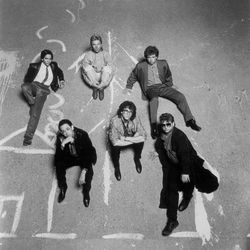
LEA (born Lea-Marie Becker) is a German singer-songwriter from Kassel, known for her warm, piano-driven pop and her honest, diary-like lyrics. She grew up in a musical home, started playing piano at six, and was writing her own songs by the age of eleven, before studying music in Hannover and playing the city's bars at night.
Her breakthrough came in 2016, when she toured as a backing singer for Mark Forster and released her debut album Vakuum. She has since become one of Germany's most-streamed pop artists, and Zu Dir, co-written with Mark Forster and released on her 2019 album Zwischen den Zeilen, is one of her best-loved songs. LEA has been based in Berlin since 2018.
“Immer Wenn Wir Uns Sehen” is a love-struck daydream put to music. Every time the singer locks eyes with the other person, their mind spins, their heart freezes, and words simply refuse to come out. The lyrics capture that electric moment when you first realise someone has turned your world upside-down: knees go weak, cheeks turn red, and even breathing feels optional.
What makes this crush special is how different and wonderfully odd the other person is. She paints train cars with lipstick, hijacks a motorbike for a midnight ride, and treats every day like her birthday. These playful images show a free spirit whose confidence glows like a colourful flower on a grey street. The song celebrates both the rush of infatuation and the magnetic pull of individuality—reminding us that the quirkiest people often steal our hearts the fastest.
German pop singer LEA zeroes in on a simple, comforting question here: who is your safe person when everything falls apart? She lays out extreme moments in life, from pure ecstasy to hitting rock bottom, and asks over and over if she can run to this one particular friend. She wants to be around them when she drops the polite act: Ohne Maske, ohne fakes Grinsen ("Without a mask, without a fake grin"). It does not matter if she is bursting with joy because she is fast am Ziel ("almost at the goal") or ready to party with high energy, her immediate instinct is to show up at their doorstep.
She is equally blunt about the messy side of life. She sings about needing this person when she has zero money left and is hunting for a Platz zum Pennen ("a place to crash"). Pennen is casual German slang for sleeping, much like saying "to crash" or "to snooze" in English. She even admits she will turn up wenn ich alles vergeige ("when I mess everything up" or "blow it"), using the informal verb vergeigen. Right down to the darkest thought of her final hour on earth, the chorus keeps repeating the hopeful question: Sag, darf ich zu dir? ("Tell me, may I come to you?").
Hai presente quella persona a cui puoi bussare alla porta a qualsiasi ora, sia che tu abbia vinto alla lotteria sia che tu abbia combinato un disastro totale? In questo pezzo pop, la cantautrice tedesca LEA parla esattamente di questo rifugio sicuro. Elenca momenti opposti della vita: le vittorie piene di gioia, ma anche i momenti in cui resta senza un soldo e cerca un posto dove dormire con l'espressione colloquiale 'nem Platz zum Pennen ("un posto per schiacciare un pisolino" / "un posto per dormire"). Non importa se si tratta di festeggiare al massimo o di attraversare un lutto da sola; il suo primo pensiero va sempre a questo indirizzo.
Il cuore del brano è la domanda diretta del ritornello: Sag, darf ich zu dir? ("Dimmi, posso venire da te?"). LEA non ha paura di sembrare vulnerabile quando ammette i propri fallimenti. Usa il verbo informale vergeigen nella frase Und ich alles vergeige ("E rovino tutto" o "faccio un pasticcio totale"), chiedendo se sarà la benvenuta anche quando tutti gli altri se ne saranno andati. È un testo schietto, che elimina le apparenze con la linea Ohne Maske, ohne fakes Grinsen ("Senza maschera, senza finto sorriso"), perfetto per imparare il tedesco di tutti i giorni mentre canti a squarciagola.
Lea's "Mutprobe" [Dare] is all about that exhilarating feeling of being with someone who inspires you to be bolder. The singer is drawn to this person's perspective on life, singing, "Irgendwas an deinem Blick hat mich immer gereizt / Irgendwas an der Art, wie du das Leben beschreibst" [Something about your gaze always fascinated me / Something about the way you describe life]. Even though everything around them is closed, there's a sense of openness and possibility when they're together.
It's a beautiful picture of overcoming fear with a friend by your side. When the other person points to a construction crane, the singer admits, "Geb' nicht zu, dass ich Angst hab' / Ich sag dir, ich kann das" [I don't admit that I'm scared / I tell you, I can do it]. This person gives them the courage to try new things, making them feel like they can almost touch the stars. It's a song about finding that special connection where nothing is missing, and you wish that feeling could last forever.
Lea's "Sag Mir Wie" [Tell Me How] is a really emotional look back at a passionate, perhaps even reckless, time in someone's life. It feels like a bittersweet memory of youth, where everything was intense and lived to the fullest. They were "lost, but no losers" [Waren verloren, aber keine Verlierer], finding happiness even in sad songs. It's about a bond so strong that they felt like it was "us against them" [die gegen uns'] and that they had nothing to lose.
The song really hits you with the feeling of disbelief that something so powerful could end. The repeated question, "Sag mir, wie kann ich jemals vergessen, wie uns're Herzen gebrannt haben?" [Tell me how can I ever forget how our hearts burned?] shows that this experience was incredibly intense and unforgettable. It's that moment when you realize something you thought would last forever is over, and you're left wondering, "How can this already be ending? I thought this only happened to others" [Kann das hier schon enden? Dacht', das passiert nur den andern].
Have you ever felt like you're surrounded by negativity? Lea totally gets it in "Zeit Für Optimisten (aus "Sing Meinen Song, Vol. 10")"! She describes a world where "Jeder Tag ein neues Depressivum" [Every day a new depressant] and everyone around her is convinced "alles sinnlos" [everything is pointless]. It's a relatable feeling when you're stuck with a bunch of pessimists, and she's had "echt genug" [really enough] of it.
But even when it feels like "Das ist 'ne schlechte Zeit für Optimisten" [This is a bad time for optimists], Lea reminds us that we shouldn't let them be lonely. She knows "aus eigener Erfahrung Wie es ist allein zu sein" [from my own experience What it's like to be alone]. Instead of giving up, she suggests that "So wie es jetzt ist kann es nicht bleiben" [The way it is now cannot stay] and that we need "Wunder" [miracles]. Maybe, just maybe, we can be those miracles for each other. It's a sweet and hopeful message, even if the world feels a bit bleak sometimes!
“Parfum” invites us to follow LEA as she stumbles into a whirlwind of attraction that feels almost supernatural. The mysterious person she sings to carries an invisible magic, a captivating aura compared to a scent you could never buy in a store. Just like catching a whiff of a rare perfume, their presence instantly transports her into a brighter, more vivid world. Curiosity mixes with a hint of fear, yet she grabs their hand, tumbles into the night, and discovers she has never felt so awake. Every moment with them is exhilarating; even getting lost feels thrilling because it means she never has to return to her old, ordinary life.
At its heart, the song is a celebration of how one extraordinary person can transform everything you think you know. LEA’s lyrics paint feelings of surrender, obsession, and pure joy as she admits she only has eyes for this person and never wants to be alone again. The repeated chorus reinforces the idea that their unique “fragrance” surrounds them like a continuous spell. In other words, “Parfum” is about that unforgettable someone whose essence lingers in the air long after they’re gone, making you crave their presence the way you might crave the rarest, most intoxicating scent in the world.
Kas sul on elus keegi, kelle juurde võid joosta täiesti igas olukorras? Saksa popartisti LEA lugu „Zu Dir” räägibki just sellisest inimesest. Laulja võtab ette kõik äärmused: hetked, mil ta on võidukas ja tahab tähistada, ning hetked, mil kõik laguneb koost. Ta laulab ausalt, et tahab tulla teise juurde siis, kui tal pole taskus sentigi ja ta otsib magamiskohta: „Wenn ich nichts mehr hab, nicht einen Cent / Auf der Suche nach 'nem Platz zum Pennen” (kui mul pole enam midagi, mitte ühtegi senti / otsimas magamiskohta). Slängisõna pennen tähendabki argiselt „põõnama” või „magama”.
LEA ei karda tunnistada ka oma vigu ja läbikukkumisi. Rida „Und ich alles vergeige” (ja ma keeran kõik tuksi) kasutab mõnusat kõnekeelset verbi vergeigen, mis viitab plaanide täielikule lörriminekule. Kogu laulu läbiv küsimus „Sag, darf ich zu dir?” (ütle, kas ma tohin tulla sinu juurde?) näitab soovi heita kõrvale teesklemine („Ohne Maske, ohne fakes Grinsen” ehk ilma maskita, ilma võltsnaeratuseta) ja leida varjupaik kellegi teise seltsis.
Saksalaisen LEAn pop-kappale "Zu Dir" kiteytyy yhteen kysymykseen: kenen ovelle koputat silloin, kun kaikki muu pettää? LEA laulaa ihmisestä, jonka luokse hän haluaa riisua teeskentelynsä. Hän haluaa mennä tämän luo ilman maskia ja ilman teennäistä hymyä: "Ohne Maske, ohne fakes Grinsen" (ilman naamiota, ilman tekohymyä). Oli kyse sitten siitä, että unelmat murskaantuvat ja maapallo tärisee ("Wenn Träume platzen, die Erde bebt"), tai että hän haluaa vain juhlia elämää täynnä energiaa, osoite on aina sama.
Sanoituksissa on mahtavan arkisia ja suoria heittoja. LEA pohtii voiko hän tulla toisen luo, jos rahat loppuvat ja hän etsii nukkumapaikkaa: "Auf der Suche nach 'nem Platz zum Pennen" (etsimässä paikkaa nukkua/koisia). Verbi pennen on saksaksi rentoa puhekieltä nukkumiselle. Sama rehellisyys jatkuu kertosäkeessä: hän kysyy luvan saapua paikalle sekä parhaina aikoina että silloin, kun mokaa aivan kaiken ("Und ich alles vergeige"). Verbi vergeigen tarkoittaa kirjaimellisesti asioiden sössimistä tai töpeksimistä. Biisi riisuu turhat kulissit ja näyttää, millaista on etsiä turvapaikkaa toisesta ihmisestä, jopa silloin kun oma viimeinen hetki koittaa.
We hebben allemaal die ene persoon nodig bij wie de schone schijn meteen van tafel mag. Precies daarover zingt de Duitse popzangeres LEA in Zu Dir. Ze somt allerlei situaties op waarin ze instinctief naar één iemand toe zou rennen. Het begint meteen eerlijk: ze wil nergens anders zijn als ze haar ware gezicht moet laten zien, "ohne Maske, ohne fakes Grinsen" (zonder masker, zonder neppe grijns). Het mooie is dat ze niet alleen steun zoekt tijdens dieptepunten, zoals wanneer dromen instorten of wanneer ze geen cent meer over heeft en zoekt naar een "Platz zum Pennen" (een plek om te pitten / slapen). Ze wil diezelfde persoon er net zo hard bij hebben als ze bijna ontploft van geluk en wil feesten vol energie.
Toch zit er een flinke dosis onzekerheid in het refrein, want ze blijft maar vragen: "Sag, darf ich zu dir?" (Zeg, mag ik naar jou toe?). Ze vraagt zich hardop af of die deur ook openstaat als ze alles flink verpest, verwoord met het Duitse spreektaalwerkwoord vergeigen in "Und ich alles vergeige" (En ik alles verknal / verprutst heb). Zelfs wanneer er helemaal niemand anders meer overblijft, hoopt ze dat deze ene veilige haven blijft bestaan.
Piesa „Zu Dir” a artistei germane LEA este genul acela de cântec pop sincer despre o singură întrebare simplă: la cine fugi când totul se prăbușește? LEA trece prin extreme absolute. Vrea să meargă la această persoană când e pe cale să atingă succesul, dar mai ales atunci când nu mai are măcar un ban și caută „'nem Platz zum Pennen” (un loc de dormit/un culcuș – pennen este un termen colocvial german pentru „a dormi”). Este vorba despre acel refugiu fără judecată, unde poți renunța la zâmbetul fals („ohne fakes Grinsen” / fără zâmbet prefăcut) și poți fi tu însuți fără mască.
Refrenul bate direct la ușă cu o vulnerabilitate totală: „Und ich alles vergeige / Und es ist keiner mehr bei mir / Darf ich dann zu dir?” (Iar eu dau cu bâta-n baltă / Și nu mai e nimeni lângă mine / Pot să vin atunci la tine?). Verbul colocvial vergeigen înseamnă exact asta: a strica totul, a da greș. De la momentele în care simte atâta energie încât vrea să petreacă, până la clipa extremă în care „die letzte Stunde für mich schlägt” (îmi bate ultimul ceas), LEA întreabă dacă ușa rămâne deschisă chiar și atunci când nu a mai rămas nimeni altcineva.
Zamisli osobu kod koje ideš kad ti puknu snovi, ali i kad slaviš kao nikad pre. Nemačka pop kantautorka LEA peva upravo o tom jednom utočištu. Kroz celu pesmu ponavlja isto pitanje: mogu li da dođem kod tebe bez lažnog osmeha i maske? U tekstu nema pretvaranja. Ona iskreno nabraja trenutke potpunog kraha, kao u stihu „Wenn Träume platzen, die Erde bebt“ (Kad se snovi rasprsnu, zemlja se zatrese), pa sve do situacija kad nema ni prebijene pare i traži „'nem Platz zum Pennen“ (mesto za spavanje, gde je pennen opušteniji, žargonski izraz za spavanje ili dremku).
Ono što mi se dopada jeste što ova pesma ne traži nekoga samo za tugu i suze. LEA želi da trči kod te osobe i sa vrha sveta: „Wenn ich glücklich bin, fast am Ziel“ (Kad sam srećna, skoro na cilju). Bilo da zabrlja apsolutno sve („Und ich alles vergeige“ – gde glagol vergeigen znači zabrljati, upropastiti stvar) ili joj kuca poslednji čas, jedino važno pitanje ostaje „Darf ich dann zu dir?“ (Smem li onda kod tebe?). Ovo je topla himna o bezuslovnoj bliskosti, onoj u kojoj te neko prihvata i praznih džepova i punog srca.
Znaš onaj osjećaj kad samo želiš skinuti sve maske i biti točno ono što jesi? Njemačka pop glazbenica LEA u pjesmi "Zu Dir" pjeva upravo o toj jednoj osobi kod koje možeš pobjeći bez lažnog osmijeha. Stih kaže: "Ohne Maske, ohne fakes Grinsen / Ich würd' zu dir gehen" (Bez maske, bez lažnog osmijeha / Otišla bih k tebi). Pjesma prolazi kroz sve moguće životne situacije, od trenutaka čistog slavlja punog energije do onih kada nemaš više ni centa u džepu i tražiš samo ležaj za prespavati: "Auf der Suche nach 'nem Platz zum Pennen" (U potrazi za mjestom za spavanje). Inače, glagol pennen je njemački žargon za spavanje, puno opušteniji od standardnog schlafen.
Ono što mi je posebno drago kod ovog teksta je izravnost. LEA ne skriva greške, nego otvoreno priznaje strah i postavlja pitanje: "Sag, darf ich zu dir? / Auch, wenn alles vorbei ist / Und ich alles vergeige" (Reci, smijem li k tebi? / Čak i kad je sve gotovo / I kad sve zabrljam). Glagol vergeigen je super koristan u svakodnevnom govoru jer znači "zeznuti stvar" ili "uprskati". Kroz cijelu pjesmu ponavlja se ta ista molba: želi biti dobrodošla kad slavi, ali još više onda kad se srami svojih grešaka i kad ostane potpuno sama.
¿Tienes a esa persona a la que acudirías tanto si te toca la lotería como si te quedas en la calle? De eso va este tema pop de la artista alemana LEA. La letra repite una y otra vez el deseo de correr hacia alguien especial, quitándose la careta de encima: "Ohne Maske, ohne fakes Grinsen" (Sin máscara, sin sonrisa falsa). Da igual si se trata de celebrar con euforia pura ("Weil ich das Leben spür' und Energie" [Porque siento la vida y la energía]) o de momentos duros donde los sueños se rompen y la tierra tiembla ("Wenn Träume platzen, die Erde bebt" [Cuando los sueños estallan, la tierra tiembla]). Es un tema sobre encontrar tu refugio seguro en el mundo.
LEA usa un lenguaje súper cotidiano que te viene genial para aprender alemán real. Por ejemplo, suelta la frase "Auf der Suche nach 'nem Platz zum Pennen" (Buscando un sitio para dormir), donde usa el verbo informal pennen (sobar o dormir) en vez del formal schlafen. También canta "Und ich alles vergeige" (Y lo arruino todo), usando vergeigen, una expresión coloquial perfecta para cuando metes la pata por completo. Al final, toda la canción gira en torno a una sola pregunta directa y sincera: "Sag, darf ich zu dir?" (Dime, ¿puedo ir contigo?). Una maravilla pop para cantar a pleno pulmón mientras sumas vocabulario del día a día.
Máš v životě člověka, za kterým můžeš přijít úplně kdykoliv? Přesně o tom německá popová zpěvačka LEA zpívá ve svém hitu Zu Dir. V textu rozebírá situace od těch nejlepších až po úplné dno. Chce za ním jít, když se cítí šťastná a skoro v cíli, ale i ve chvíli, kdy odhodí masku a falešný úsměv: „Ohne Maske, ohne fakes Grinsen“ (bez masky, bez falešného úsměvu). Zpívá dokonce o momentu, kdy nemá ani cent a hledá „'nem Platz zum Pennen“ (místo na přespání). Sloveso pennen je v němčině skvělý hovorový výraz pro spaní nebo chrápání, který se v učebnicích moc často nevidí.
Celý refrén se točí kolem jediné nejisté otázky: „Sag, darf ich zu dir?“ (Řekni, smím k tobě?). Zpěvačka se ptá, jestli může dorazit i v momentech, kdy „alles vergeige“ (všechno zvořu, pokazím). Hovorové sloveso vergeigen doslova vychází ze špatného hraní na housle, ale v běžné němčině znamená prostě něco totálně zkazit. Ať už má chuť slavit plná energie, stydí se za své chyby, nebo pro ni rovnou bije poslední hodina, její volba je jasná. Ta upřímnost, se kterou se ujišťuje, jestli dveře zůstanou otevřené i bez peněz a úspěchu, dává téhle popové skladbě skvělý lidský rozměr.
On a tous cette personne en tête : celle chez qui on débarquerait sans réfléchir, qu'on vienne de gagner au loto ou qu'on vienne de toucher le fond. Dans cette chanson pop, l'artiste allemande LEA pose une seule et même question du début à la fin : « Sag, darf ich zu dir? » (Dis, est-ce que je peux venir chez toi ?). Elle dresse la liste de toutes les situations imaginables où elle courrait vers cette personne refuge. Ça va des moments de pure joie, comme vouloir faire la fête (« Wenn ich feiern will »), jusqu'aux pires catastrophes, quand les rêves s'écroulent et que la terre tremble (« Wenn Träume platzen, die Erde bebt »).
Ce que j'adore dans ce texte, c'est son honnêteté brutale et son vocabulaire très parlé. LEA n'hésite pas à utiliser des expressions du quotidien comme « 'nem Platz zum Pennen » (une place pour pioncer, où le verbe familier pennen remplace le classique schlafen pour dire dormir), ou encore « wenn ich alles vergeige » (quand je foire tout). Elle évoque aussi le besoin d'enlever le masque social, loin des faux sourires (« ohne Maske, ohne fakes Grinsen »), pour se montrer vulnérable sans honte. C'est direct, doux et plein de cette confiance absolue qu'on ne donne qu'à de très rares personnes.
Képzeld el azt az egyetlen embert, akihez bármikor bekopoghatsz: nem számít, hogy épp pezsgőt bontasz a boldogságtól, vagy földhöz vágott az élet. A német popénekesnő, LEA pontosan erről énekel a fülbemászó Zu Dir című dalában. A szövegben sorra veszi a legszélsőségesebb helyzeteket. Menne ehhez a személyhez akkor, amikor végre nem kell álarcot viselnie: „Ohne Maske, ohne fakes Grinsen” (Maszk nélkül, hamis vigyor nélkül). De oda sietne akkor is, amikor elfogyott minden pénze, és csak egy alvóhelyre vágyik: „nicht einen Cent / Auf der Suche nach 'nem Platz zum Pennen” (egyetlen cent nélkül, alvóhelyet keresve). A pennen szó a német szlengben pont olyan hétköznapi és laza, mint a magyarban a „csicsikálni” vagy „húzni a lóbőrt”.
A refrénben újra és újra felteszi az egyszerű kérdést: „Sag, darf ich zu dir?” (Mondd, mehetek hozzád?). Szóba kerül a legvadabb bulizás, de az is, amikor mindent elszúr: „Und ich alles vergeige” (És mindent elrontok / elszúrok – a vergeigen szintén egy szuper, beszélt nyelvi kifejezés a baklövésekre). A dal szépsége ebben a végletes őszinteségben rejlik: nincs benne pózolás, csak az a tiszta vágy, hogy legyen valaki, aki még akkor is ajtót nyit, amikor már senki más nincs mellette.
Alman pop sahnesinden LEA, bu şarkıda aklına gelen ilk sığınağı arıyor: maskesiz, sahte bir gülümseme olmadan gidebileceği o tek insanı. Sözler baştan sona doğrudan ve samimi bir soru etrafında dönüyor: "Sag, darf ich zu dir?" (Söyle, sana gelebilir miyim?). Şarkı sadece dert zamanlarını anlatmıyor. Hem hedefe yaklaşıp kutlama yapacak kadar mutluyken hem de tek bir kuruşun kalmadığı o parasız günlerde kapısını çalacağı kişinin aynı olması gerektiğini söylüyor. Hatta "'nem Platz zum Pennen" (uyuyacak/kıvrılacak bir yer) ararken bile aklındaki tek adres orası; buradaki "pennen" kelimesi Almancada bildiğimiz günlük dilde "uyumak, kestirmek" anlamına gelen rahat bir sokak ağzı.
En sevdiğim kısım, LEA'nın her şeyi berbat ettiği anları da saklamaması. "Und ich alles vergeige" (Ve her şeyi berbat ettiğimde) diyerek kendi hatalarını, utancını açıkça kabul ediyor. Çözümü göremediği, rüyaların paramparça olduğu ya da sadece son saat çaldığında dinlenecek bir yer aradığı anlarda bile aynı soru yineleniyor: En parlak günlerde de, etrafta kimse kalmadığında da gelebilir miyim? Hayatın tüm iniş çıkışlarında sığınacak tek bir liman arayan herkesin diline dolanacak türden bir parça.
Vācu dziedātāja LEA savā popdziesmā "Zu Dir" runā par to vienu cilvēku, pie kura vari aiziet pilnīgi jebkurā dzīves brīdī. Nav svarīgi, vai esi virsotnē vai uz ielas bez naudas. Viņa atklāti dzied par situācijām, kad negribas tēlot: "Wenn ich sein muss wie ich wirklich bin / Ohne Maske, ohne fakes Grinsen" ("Kad man jābūt tādai, kāda patiesībā esmu / Bez maskas, bez viltota smaida"). Dziesma uzdod vienu tiešu, atkārtotu jautājumu: "Sag, darf ich zu dir?" ("Saki, vai drīkstu nākt pie tevis?"). Tā ir drošības sajūta, kuru mēs visi meklējam gan lielas laimes brīžos, gan tad, kad viss noiet greizi.
LEA tekstā iekļauj ļoti ikdienišķu un tiešu valodu, ko vērts ielāgot. Piemēram, vācu sarunvalodas vārds "pennen" nozīmē vienkārši "gulēt" vai "nakšņot", un rindiņā "Auf der Suche nach 'nem Platz zum Pennen" viņa burtiski meklē vietu, kur pārlaist nakti. Tāpat arī frāze "Und ich alles vergeige" nāk no sarunvalodas un nozīmē "un es visu salažu" (no darbības vārda vergeigen). Šie vārdi parāda, ka LEA necenšas izklausīties pārāk poētiski; viņa runā par reālām kļūdām, asarām un brīžiem, kad kabatā nav ne centa.
Έχεις αυτόν τον έναν άνθρωπο στη ζωή σου που μπορείς να πας στην πόρτα του ό,τι κι αν συμβεί; Αυτό ακριβώς ρωτάει η Γερμανίδα τραγουδίστρια LEA στο pop κομμάτι «Zu Dir». Μιλάει για εκείνο το άτομο μπροστά στο οποίο δεν χρειάζεται να φοράς προσωπείο: «Ohne Maske, ohne fakes Grinsen» (Χωρίς μάσκα, χωρίς ψεύτικο χαμόγελο). Θέλει να τρέξει κοντά του είτε όταν τα όνειρα καταρρέουν και «die Erde bebt» (η γη τρέμει), είτε όταν ξεχειλίζει από χαρά και ενέργεια.
Η ειλικρίνειά της γίνεται ακόμα πιο άμεση όταν χρησιμοποιεί καθημερινή, καθομιλουμένη γλώσσα. Λέει για παράδειγμα «Auf der Suche nach 'nem Platz zum Pennen» (Ψάχνοντας ένα μέρος για να την πέσω/να κοιμηθώ), όπου το ρήμα pennen είναι γερμανική αργκό για τον ύπνο, ενώ παραδέχεται πως θέλει να πάει εκεί «Und ich alles vergeige» (Κι αν τα κάνω όλα θάλασσα / τα θαλασσώσω εντελώς), με το ρήμα vergeigen να σημαίνει ακριβώς αυτό: τα χαλάω όλα, τα κάνω μαντάρα. Το τραγούδι δεν κρύβει τίποτα, ούτε καν την απόλυτη ανάγκη για επαφή στις χειρότερες ή τις καλύτερες στιγμές.
Įsivaizduok tą vienintelį žmogų, pas kurį bėgtum ir laimės viršūnėje, ir visiškai susimovęs. Vokiečių popmuzikos atlikėja LEA dainoje „Zu Dir“ kalba būtent apie tokį besąlygišką ryšį. Ji dainuoja, kad eitų pas šį žmogų tada, kai nebereikia dėvėti kaukių ar netikrai šypsotis: „Ohne Maske, ohne fakes Grinsen“ (be kaukės, be netikros šypsenos). Jai nesvarbu, ar kišenėje švilps vėjai ieškant vietos pernakvoti („Auf der Suche nach 'nem Platz zum Pennen“ – vokiškai pennen yra šnekamosios kalbos žodis, reiškiantis „smigti“ arba „parpti“), ar širdyje kunkuliuos noras švęsti iš visų jėgų. Pas jį bėgti norisi visada.
Kūrinio ašis – paprastas, bet nedrąsus klausimas: „Sag, darf ich zu dir?“ (Sakyk, ar galiu ateiti pas tave?). LEA tiesiai šviesiai pripažįsta savo klaidas ir baimę: ar būsiu laukiamas, kai viską sugadinsiu ir nieko nebeliks šalia („Und ich alles vergeige / Und es ist keiner mehr bei mir“ – veiksmažodis vergeigen reiškia „susimauti, viską suknisti“)? Ji kelia kartelę iki kraštutinumo, prisimindama net paskutinę gyvenimo akimirką, kai reiks rinktis, kur atgulti. Tai tiesus, labai atviras prašymas leisti būti savimi bet kokiomis aplinkybėmis.
Tyske LEA rammer lige i hjertet med popnummeret "Zu Dir", som i bund og grund handler om den ene person, man altid vil løbe hen til. Uanset om livet kører på skinner, eller alt ramler totalt. Hun synger ærligt om at smide facaden: "Wenn ich sein muss wie ich wirklich bin / Ohne Maske, ohne fakes Grinsen" (Når jeg er nødt til at være den, jeg virkelig er / Uden maske, uden falsk grin). Det er en kærlig hyldest til et trygt fristed, hvor man må dukke op, når man er helt flad for penge og mangler et sted at sove ("Auf der Suche nach 'nem Platz zum Pennen"), eller når man simpelthen bare kludrer i det hele og kvajer sig ("Und ich alles vergeige").
Det fede ved teksten er, at den ikke kun handler om kriser. Hun vil også banke på døren, når hun er så glad, at hun er ved at revne af energi og bare vil feste. Det centrale spørgsmål i omkvædet er helt enkelt og sårbart: "Sag, darf ich zu dir?" (Sig mig, må jeg komme hen til dig?). Det handler om at have ét menneske, der altid tager imod en, lige meget om man fejrer en kæmpe sejr eller står med tårerne trillende ned ad kinderne.
Уяви, що у твоєму житті є одна конкретна людина, до якої ти біжиш за будь-яких обставин. Саме про це німецька поп-співачка LEA співає у треку «Zu Dir». Вона не прикрашає дійсність: їй потрібен прихисток, коли треба скинути маску й припинити фальшиво посміхатися — «Ohne Maske, ohne fakes Grinsen» («Без маски, без фейкової посмішки»). Героїня готова прийти до цієї людини і на піку ейфорії, коли кортить гучно святкувати, і в мить повної катастрофи, коли буквально немає грошей на ночівлю: «Auf der Suche nach 'nem Platz zum Pennen» («У пошуках місця, щоб поспати/переночувати»). До речі, розмовне німецьке дієслово pennen означає саме «дрімати» або «вписатися поспати», що звучить набагато простіше й приземленіше, ніж формальне schlafen.
Головний нерв пісні схований у приспіві, де звучить пряме й трохи тривожне запитання: «Sag, darf ich zu dir?» («Скажи, чи можу я піти до тебе?»). LEA перевіряє межі цієї близькості. Вона питає, чи приймуть її не лише на вершині успіху, але й тоді, коли вона все зіпсує: «Und ich alles vergeige» («І я все завалю/наламаю дров»). Дієслово vergeigen — це чудовий сленг для факапу чи провалу. Тут немає солодких метафор. Йдеться про чесну готовність постукати в чиїсь двері навіть тоді, коли настає остання година і весь світ розвалюється на шматки.

