Learn French With Céline Dion with these 23 Song Recommendations (Full Translations Included!)
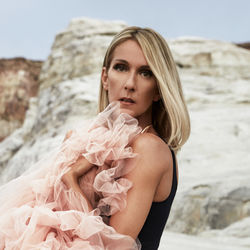
Céline Dion was born in Charlemagne, a small town outside Montreal, Quebec, Canada, the youngest of fourteen children in a musical family. She began performing as a child and was discovered by René Angélil, the manager who mortgaged his house to fund her first record and later became her husband; they married in 1994 and stayed together until his death from cancer in 2016.
Dion built her career on both sides of the language line, recording in French and English and turning ballads like "The Power of Love" and "My Heart Will Go On" into global standards. Albums such as Falling into You and Let's Talk About Love each sold more than thirty million copies, and for much of the 2000s and 2010s she headlined a Las Vegas residency at Caesars Palace that ran for well over a thousand shows. In 2022 she disclosed a diagnosis of Stiff Person Syndrome, a rare neurological condition, and has continued to speak publicly about living and performing with it.
In this beautiful song, Céline Dion lists all the amazing things she'd like to do. She dreams of grand adventures and impossible feats, like crossing the ocean, going to unknown places, and even grander things: "Je voudrais décrocher la lune / Je voudrais même sauver la Terre" (I would like to unhook the moon / I would even like to save the Earth). She also wishes for quiet moments to reflect on her life, asking "Où est ma vie, où est ma place" (Where is my life, where is my place) and wanting to hold onto the precious memories of her past.
But all these huge ambitions and quiet wishes lead to one simple, powerful desire. After every dream, she returns to the one thing that matters most. More than anything else in the world, she says, "Mais avant tout / Je voudrais parler à mon père" (But above all / I would like to talk to my father). It's a deeply personal song about wanting one more conversation with a loved one who is gone, a wish that feels bigger than saving the world.
In this beautiful song, Céline Dion sings from the perspective of someone looking back on a life that has been so full and happy that time seems to have flown by. She looks at an old photo and can't believe how much time has passed, singing, "C'était pourtant hier, mentirait ma mémoire" (It was just yesterday, my memory must be lying). She insists she isn't complaining, because "La vie m'a tellement gâtée" (Life has spoiled me so much). It's just that when life is so good, you forget that it has to end.
So, she makes a plea for just a little more time. It's a bargain with God or fate for "Encore un soir / Encore une heure / Encore une larme de bonheur" (One more evening / One more hour / One more tear of happiness). She argues it's a small request, something that "face à l'éternité, ça va même pas se voir" (in the face of eternity, it won't even be noticed). In a powerful moment, she even offers to trade her spot in the afterlife, saying, "je donne ma place au paradis / Si l'on m'oublie sur Terre" (I'll give my place in paradise / If I'm forgotten on Earth). She just wants one more evening to cherish the life she loves.
In her song "Dansons," which means "Let's Dance," Céline Dion isn't just inviting us to a party. She's calling for a powerful act of hope and defiance in a world that feels unstable and chaotic. The lyrics paint a picture of two people dancing in impossible places, "above the abysses" and "on the edges of the peaks." This isn't just any dance; it's a way to rise above problems and forget their sorrows when the world is "faltering."
This dance becomes an act of strength and connection. They dance to "be and stay upright," not just for themselves but also for those who are voiceless or unable to move. It's about creating their own beautiful world, an "island," when the universe feels hostile. The song's final message is incredibly moving: when the world "is no longer turning round" as it should, we must create our own motion, our own joy, and our own reason to keep going.
Ever feel like you're just a robot going through the motions? In "Je Danse Dans Ma Tête," Céline Dion sings about the loneliness and monotony of modern life. She describes a world with billions of people, yet everyone feels solitary, stuck in their daily routines. Whether on the metro or at a desk, life can feel so repetitive it's "enough to drive you crazy."
The song also touches on the feeling of being watched and digitized, wondering if the TV might just swallow you whole. But instead of giving in to this feeling, the singer reveals her secret escape: she dances in her head. It's a powerful, personal rebellion against boredom and indifference, a way to find freedom and joy inside her own mind, no matter what's happening on the outside.
“Pour Que Tu M'aimes Encore” is a passionate plea from a woman determined not to let love slip away. She knows that the relationship has shifted — the flowers have wilted and time has moved on — yet her heart refuses to accept an ending. With dramatic imagery, she vows to chase her lover’s heart anywhere it goes, braving both icy cold and burning flames, and even casting spells if that is what it takes.
The lyrics sparkle with larger-than-life promises: she will learn new languages, pack their bags for endless adventures, chant mystical formulas, and reinvent herself into someone brighter, stronger, even golden. Beneath the poetic flair lies a universal feeling: when love feels irreplaceable, we sometimes imagine extraordinary feats to keep it alive. Céline Dion turns that emotional determination into a soaring anthem, making listeners feel both the vulnerability of possible loss and the fierce hope of winning love back.
Have you ever looked in the mirror as an adult and realized you are still that awkward kid from middle school? That is the whole point of Céline Dion's "On Ne Change Pas" [We Don't Change]. She insists that growing up is mostly just theater: "On met juste les costumes d'autres sur soi" [We just put on other people's costumes] and strike defensive poses. She uses the everyday French idiom "se donner le change" [to fool oneself or keep up appearances], showing how we fool ourselves into believing we make completely free choices. Scratch beneath the surface, and that vulnerable child is still there, stubbornly humming "Ne me quitte pas" [Don't leave me] like an insolent catchphrase.
What makes this track hit so hard is how personal she gets. Céline points directly to her hometown in Quebec with the line: "Une petite fille maigre / Marche à Charlemagne, inquiète" [A skinny little girl / Walks in Charlemagne, anxious]. No matter the world tours or glamorous clothes, she still sees that lonely girl walking through the Canadian snow, ignoring the freezing cold. She even jokes that when she applies makeup ("Si je la maquille"), that younger self fades for a second just to watch her and laugh. It is an honest, witty reminder that titles and suits—whether you end up as a prince or a servant ("Un prince, un valet")—never truly erase where you started.
In this touching ballad, Céline Dion sings from the perspective of someone writing a letter to a lost love. She shares small updates about her life: the seasons are changing, a child is growing up, and she's even learning to play the guitar. These everyday details show that life is moving forward, but they all lead to one powerful conclusion: "Et je t'aime encore" (And I still love you).
Despite trying to move on by going out, dancing, and even cutting her hair, her love remains as strong as ever. The song is a beautiful exploration of how love can persist through time and distance. She asks, "Mais où es-tu?" (But where are you?), revealing that she doesn't even know where this person is. Her life is filled with hope and waiting, proving that even when everything else changes, some feelings are forever.
¿Alguna vez has sentido que los mejores momentos de tu vida pasaron en un abrir y cerrar de ojos? En "Encore Un Soir", la artista canadiense Céline Dion habla justo de esa sensación al mirar una foto vieja y ver su rostro reflejado en el espejo. No canta desde el rencor ni la queja; de hecho, reconoce agradecida que la vida la consintió de más con la frase "La vie m'a tellement gâtée" (La vida me ha mimado tanto). Sin embargo, cuando se vive tan intensamente, el tiempo vuela sin avisar, y de pronto llega la hora de partir.
Por eso, todo el tema es una súplica íntima para conseguir una pequeña tregua: "Encore un soir, encore une heure" (Una noche más, una hora más). Para pedir esta prórroga, usa una expresión muy cotidiana en francés: "ça c'est pas la mer à boire" (literalmente "no es beberse el mar", que equivale a decir que "no es para tanto" o "no es el fin del mundo"). Céline bromea diciendo que frente a la inmensidad de la eternidad, robarse unos minutos más en la Tierra ni siquiera se va a notar, ofreciendo incluso cambiar su lugar en el paraíso con tal de disfrutar un último beso y detener los relojes.
¡Esta canción de Céline Dion, "On Ne Change Pas" [No cambiamos], es una reflexión tan honesta sobre cómo, en el fondo, seguimos siendo quienes somos! Céline canta que "On met juste les costumes d'autres sur soi" [Solo nos ponemos los disfraces de otros], como si la ropa o las apariencias solo cubrieran una pequeña parte de nuestra verdadera esencia. Es como si, aunque crezcamos un poco y persigamos sueños, nunca olvidamos al niño que fuimos, ese "enfant qui reste, presque nu" [niño que queda, casi desnudo], lleno de inocencia.
Me encanta cómo la canción explora la idea de que a veces adoptamos "des airs et des poses de combat" [aires y poses de combate], creyendo que estamos tomando decisiones, pero en realidad, si rascas un poco la superficie, siempre hay un pequeño ser que se nos parece, temblando bajo la apariencia. Céline incluso menciona cómo ha copiado imágenes y sueños de otros, pero siempre hay una "petite fille maigre" [niña flaca] que camina a su lado, inquieta, recordándole quién es realmente. Es un recordatorio de que, no importa cuánto intentemos cambiar o maquillarnos, esa niña interior siempre está ahí, incluso burlándose un poco de nuestros intentos de disfrazarnos.
En «Dansons», Céline Dion, artista canadiense, convierte el baile en una forma de avanzar cuando todo parece peligroso. La letra imagina a dos personas bailando «Au-dessus des abîmes» [por encima de los abismos], «aux arêtes des cimes» [en los bordes de las cumbres], como si caminaran por un lugar altísimo y estrecho. Cuando «le monde vacille» [el mundo se tambalea], se sostienen con «nos mains nouées» [nuestras manos entrelazadas] y dejan que sus cuerpos, unidos, les ayuden a olvidar sus penas. «Jouez violons» [tocad, violines] convierte la escena en un baile nocturno entre estrellas, con los dos «front contre front» [frente contra frente], flotando como copos en el horizonte.
La canción también le da al baile un sentido de resistencia. Hay que bailar «pour être et rester droits» [para ser y permanecer de pie], incluso por «tous les immobiles» [todos los inmóviles] y «tous les sans-voix ni loi» [todos los que no tienen voz ni ley]. La frase «on ne peut danser que debout» [solo se puede bailar de pie] es directa y poderosa: aunque el universo sea hostil y el mundo «ne tourne plus rond» [ya no funcione bien], ellos siguen girando. El baile no borra el peligro. Lo atraviesa con las manos unidas, inventando vértigo antes de quedarse paralizados.
Piosenka Céline Dion, "On Ne Change Pas" [Nie zmieniamy się], to taka refleksja nad tym, jak bardzo tak naprawdę się zmieniamy... albo raczej, jak bardzo się nie zmieniamy! Céline śpiewa, że "On ne change pas / On met juste les costumes d'autres sur soi" [Nie zmieniamy się / Po prostu zakładamy stroje innych]. To tak, jakbyśmy tylko przebierali się, ale w środku wciąż jesteśmy tą samą osobą. Fajnie, prawda?
Artystka mówi też, że "On ne grandit pas / On pousse un peu, tout juste" [Nie dorastamy / Tylko trochę rośniemy]. To mi przypomina, że w każdym z nas wciąż jest to dziecko, które "reste, presque nu" [pozostaje, prawie nagie], z tymi wszystkimi niewinnymi chwilami. Nawet jeśli próbujemy udawać kogoś innego, to "si tu grattes la / Tout près de l'apparence tremble / Un petit qui nous ressemble" [jeśli tam zadrapiesz / Blisko pozorów drży / Mały, który jest do nas podobny]. To jest takie prawdziwe! Zawsze gdzieś tam jest ta mała dziewczynka, która "marche à Charlemagne, inquiète / Et me parle tout bas" [idzie do Charlemagne, zaniepokojona / I mówi do mnie cicho]. To jest naprawdę piękna piosenka o tym, że nasza prawdziwa natura zawsze z nami zostaje, bez względu na to, ile masek założymy.
In Célines Dion's "On Ne Change Pas" singt sie darüber, dass wir uns im Grunde nie wirklich ändern. Wir ziehen nur "die Kostüme anderer an" [On met juste les costumes d'autres sur soi], aber darunter bleiben wir dieselben. Es ist, als würden wir nur verschiedene Rollen spielen, während unser wahres Ich, das Kind in uns, immer noch da ist.
Sie spricht davon, dass wir nicht wirklich erwachsen werden, sondern nur ein bisschen wachsen, "gerade lange genug für einen Traum" [tout juste le temps d'un rêve]. Wir vergessen das unschuldige Kind in uns nicht, das noch "fast nackt" [presque nu] ist. Auch wenn wir uns manchmal verstellen und "Kampfposen einnehmen" [On attrape des airs et des poses de combat], bleibt dieses innere Kind bestehen und erinnert uns daran, wer wir wirklich sind. Céline singt, dass sie selbst "Bilder und Träume kopiert" [J'ai copié des images et des rêves] hat, aber tief in ihr drin ist immer noch das kleine, besorgte Mädchen, das sie leise anspricht.
¡Qué canción tan conmovedora de Céline Dion! En "Parler À Mon Père" [Hablar con mi padre], ella nos lleva en un viaje de introspección y anhelo. La letra expresa un deseo profundo de hacer una pausa, de olvidar el tiempo "pour un soupir, pour un instant" [por un suspiro, por un instante], y de reconectar con su pasado y su esencia. Quiere encontrar sus raíces, "retrouver mes traces / Où est ma vie, où est ma place" [encontrar mis huellas / Dónde está mi vida, dónde está mi lugar], y atesorar los recuerdos.
Aunque anhela grandes cosas como "décrocher la lune" [alcanzar la luna] o "sauver la Terre" [salvar la Tierra], su deseo más grande y recurrente es simple y personal: "Mais avant tout / Je voudrais parler à mon père" [Pero antes que nada / Quisiera hablar con mi padre]. Es una canción que habla de la importancia de la familia, de la nostalgia y de ese anhelo universal de conectar con quienes nos han formado, incluso cuando ya no están presentes. Es una melodía que te hará pensar en tus propios recuerdos y en las personas que han marcado tu vida.
Céline Dion, die kanadische Powerhouse-Sängerin, singt in „Encore Un Soir“ über ein Thema, das uns alle betrifft: die Zeit. Sie schaut auf ein Foto und kann nicht fassen, wie schnell alles vergangen ist: „C'était pourtant hier, mentirait ma mémoire“ (Es war doch erst gestern, meine Erinnerung muss lügen). Sie hat das Gefühl, kaum Zeit gehabt zu haben, sich an das Leben zu gewöhnen, und schon muss sie ihren Platz räumen.
Der Song ist aber keine Klage. Céline betont, wie gut das Leben zu ihr war: „La vie m'a tellement gâtée“ (Das Leben hat mich so sehr verwöhnt). Genau deshalb ist ihr Wunsch so stark. Sie bittet um nur einen Abend mehr, eine Stunde mehr, eine „larme de bonheur“ (Träne des Glücks). Sie verhandelt sogar mit der Ewigkeit und argumentiert, dass ihre kleine Bitte im großen Ganzen kaum auffallen würde. Sie wäre sogar bereit, ihren Platz im Paradies aufzugeben, nur für ein bisschen mehr Zeit auf der Erde. Es ist eine wunderschöne und herzzerreißende Bitte, das Leben noch einen kleinen Moment länger festhalten zu dürfen.
In „Dansons“ lädt Céline Dion dazu ein, trotz einer wankenden Welt weiterzutanzen. Die Bilder sind kühn: „Au-dessus des abîmes“ [über den Abgründen], „aux arêtes des cimes“ [auf den scharfen Graten der Gipfel]. Das Paar schwebt, wirbelt und hält sich aneinander fest, während „le monde vacille“ [die Welt schwankt]. Hände werden ineinander verschränkt, Stirnen berühren sich, und die beiden lassen sich vom Atem führen. „Que rien ne nous retienne“ [nichts soll uns zurückhalten] klingt dabei wie ein entschlossener Aufruf, die Sorgen wenigstens für diesen Tanz loszulassen.
Doch der Tanz ist hier mehr als eine romantische Begegnung unter Sternen. „Dansons pour être et rester droits“ [Tanzen wir, um aufrecht zu sein und zu bleiben] verbindet die Bewegung mit Haltung und Würde, auch für „tous les sans-voix“ [alle ohne Stimme]. Besonders stark ist die direkte Aussage: „On ne peut danser que debout“ [man kann nur im Stehen tanzen]. Das Lied setzt dem Stillstand Bewegung entgegen und erfindet eine kleine Insel, eine „idylle“ [Idylle], bevor alles erstarrt. Am Ende dreht sich die Welt nicht mehr richtig, also drehen die beiden sich selbst: „Tournons puisque le monde ne tourne plus rond“ [Drehen wir uns, weil die Welt nicht mehr rundläuft].
Στο «Parler À Mon Père», η Céline Dion, καλλιτέχνιδα από τον Καναδά, δίνει φωνή σε μια πολύ συγκεκριμένη επιθυμία: να σταματήσει για λίγο τον γρήγορο ρυθμό της ζωής και να ξαναβρεί τον εαυτό της. Λέει «Je voudrais oublier le temps» [Θα ήθελα να ξεχάσω τον χρόνο] και ονειρεύεται μια μικρή παύση, πριν ακολουθήσει την καρδιά της. Θέλει να βρει τα ίχνη της, να θυμηθεί «où est ma vie, où est ma place» [πού είναι η ζωή μου, πού είναι η θέση μου] και να κρατήσει τις πολύτιμες αναμνήσεις της κρυμμένες και ασφαλείς στον «μυστικό κήπο» της. Οι εικόνες ανοίγουν σε ταξίδι: ωκεανός, γλάρος, καράβι γεμάτο φωτογραφίες και αρώματα από τα ταξίδια της, ακόμη και το φεγγάρι που θα ήθελε να κατεβάσει. Λίγο υπερβολικό; Ναι, και αυτή ακριβώς η υπερβολή κάνει το όνειρό της τόσο ζωηρό.
Όμως, ανάμεσα σε όλες αυτές τις μεγάλες επιθυμίες, υπάρχει μία που έχει τη μεγαλύτερη σημασία: «Mais avant tout, je voudrais parler à mon père» [Μα πάνω απ’ όλα, θα ήθελα να μιλήσω στον πατέρα μου]. Η επανάληψη του «Parler à mon père» [Να μιλήσω στον πατέρα μου] ακούγεται σαν προσωπική ανάγκη και σαν επιστροφή σε έναν άνθρωπο που συνδέεται με τις φωνές όσων τη δίδαξαν πως «il n’y a pas de rêve interdit» [δεν υπάρχει απαγορευμένο όνειρο]. Στο τέλος, θέλει να φύγει και να ονειρευτεί μαζί του, αναζητώντας πάντα το απρόσιτο και ελπίζοντας ακόμη και στο αδύνατο. Η δύναμη του τραγουδιού βρίσκεται σε αυτή την αντίθεση: μπορεί να ονειρεύεται να σώσει τη Γη, αλλά πρώτα θέλει μια απλή, βαθιά συζήτηση με τον πατέρα της.
В этой песне Селин Дион, канадская певица, мечтает хотя бы на мгновение остановить бег времени: «Je voudrais oublier le temps» [Я хотела бы забыть о времени]. Ей хочется отдохнуть после долгой гонки, понять, где её жизнь и место, сохранить «золото прошлого» в своём тайном саду. Дальше мечты становятся почти сказочными: пересечь океан, лететь рядом с чайкой, отправиться в неизвестность и даже «décrocher la lune» [достать луну]. Это французское выражение означает попытаться сделать невозможное, словно луну можно снять с неба.
Но самая большая мечта здесь звучит очень просто: «Mais avant tout, je voudrais parler à mon père» [Но прежде всего я хотела бы поговорить с отцом]. Поэтому все путешествия, корабль с фотографиями и запахами стран, поиски воспоминаний и «запрещённых» мечтаний ведут к одному желанию: снова обратиться к отцу, увидеть его в дорогом сердцу месте и почувствовать уверенность. Финал особенно сильный своей прямотой: можно хотеть спасти Землю, но сначала нужно сказать отцу то, что осталось внутри.
Céline Dion's "Et S'il N'en Restait Q'une (je Serais Celle-là)" is such a beautiful declaration of unwavering, romantic devotion! She's basically saying, if there was only one person left in the world who still believed in true love, who would embrace all its ups and downs, she would be that person.
She talks about being the one to "accepter les larmes" [accept the tears] and "se livrer sans arme / Aux griffes de l'amour" [surrender defenseless / To love's claws]. It's about being brave enough to dream under the moonlight with a lover and even foolishly trace "deux cœurs entrelacés" [two intertwined hearts] in the sand. She'd be the one to follow love to the ends of the earth, no questions asked, because for her, "il n'est pire infortune / Que de ne pas aimer" [there is no worse misfortune / Than not to love]. It's a powerful and really moving commitment to love in its purest, most dramatic form.
En «Pour Que Tu M’aimes Encore», Céline Dion, artista canadiense, canta desde el punto de vista de alguien que entiende que la relación ha cambiado: “Que les fleurs ont fané” [que las flores se han marchitado] y “Les amours aussi passent” [los amores también pasan]. Pero aceptar esa posibilidad no significa rendirse. La narradora promete ir tras el corazón y el alma de la otra persona “dans les froids dans les flammes” [entre el frío y las llamas], una imagen exagerada y casi mágica para mostrar hasta dónde llegaría para recuperar su amor. El título significa “Para que vuelvas a amarme”.
Lo más interesante es que su plan mezcla súplica, humor y transformación. Dice que encontrará nuevas formas de elogiarle, hará las maletas para vivir “d’infinies vendanges” [vendimias infinitas] y hasta recitará fórmulas mágicas de marabús de África. Luego promete convertirse en reina, cambiar de aspecto y adoptar los juegos que le gustan a la otra persona: “Je me changerai en or” [me convertiré en oro]. Es una declaración intensa y un poco desmedida, porque la narradora está dispuesta a cambiarlo todo para que la relación vuelva a encenderse, aunque también deja claro algo importante: “Je ne suis pas les autres” [yo no soy como los demás].
Ar kada nors žiūrėjote į seną nuotrauką ir galvojote: „Palaukite, kada tai nutiko?“ Kanados popmuzikos žvaigždė Céline Dion kūrinyje „Encore Un Soir“ pradeda būtent nuo tokio momento: „Une photo, une date / C'est à n'y pas croire“ („Nuotrauka, data / Neįtikėtina“). Ji žvelgia į veidrodį, mato prabėgusius metus ir pripažįsta, kad gyvenimas ją beprotiškai lepino („La vie m'a tellement gâtée“). Tačiau kai viskas vyksta per greitai ir per stipriai, laikas tiesiog išslysta iš rankų.
Ši daina yra nuoširdus prašymas gauti bent trupinėlį papildomo laiko. Céline prašo: „Encore un soir / Encore une heure“ („Dar vieno vakaro / Dar vienos valandos“). Ji netgi naudoja puikų prancūzišką posakį „c'est pas la mer à boire“ („tai juk ne jūra, kurią reikia išgerti“ – lietuviškai sakytume „tai juk ne kalnus nuversti“ arba „tai jokia didelė našta“). Dainininkė net siūlo atiduoti savo vietą rojuje („je donne ma place au paradis“), jei tik jai būtų leista pabūti Žemėje dar akimirką, sustabdyti laikrodžius ir pasimėgauti paskutiniu bučiniu.
Poznáš ten pocit, keď sa pozrieš do zrkadla a nechápeš, kam zmizli všetky tie roky? Presne o tom spieva kanadská hviezda Céline Dion vo svojej popovej skladbe. Hneď na začiatku priznáva, že život k nej bol nesmierne štedrý, takže sa vôbec nesťažuje: „La vie m'a tellement gâtée“ (Život ma tak veľmi rozmaznával). Problém je v niečom inom. Keď totiž prežívaš všetko naplno a krásne, čas jednoducho letí prirýchlo. Céline to opisuje prirovnaním k strate orientácie: „Comme on perd un peu le nord au milieu de trop vastes espaces“ (Ako keď človek trochu stratí sever uprostred príliš veľkých priestorov).
Namiesto veľkých zázrakov si pýta len malý odklad, niečo navyše: „Encore un soir, encore une heure“ (Ešte jeden večer, ešte jednu hodinu). Veľmi sa mi páči, ako sa prihovára osudu so štipkou humoru a nadhľadu. Tvrdí, že predsa nežiada nič nemožné: „ça c'est pas la mer à boire“ (doslova: to nie je vypiť celé more; francúzsky idióm pre „veď to nie je žiadna veda“). Dokonca sľubuje, že to ostane medzi nimi, a bez váhania ponúka výmenu: „je donne ma place au paradis si l'on m'oublie sur Terre“ (vzdám sa svojho miesta v raji, ak na mňa zabudnú na Zemi). Chce len chvíľu pokoja, jedno objatie a bozk, kým sa hodiny opäť rozbehnú.
Έχεις νιώσει ποτέ ότι οι πιο όμορφες στιγμές φεύγουν πριν καν προλάβεις να τις χορτάσεις; Στο Encore Un Soir, η Céline Dion κοιτάζει παλιές φωτογραφίες και το είδωλό της στον καθρέφτη, νιώθοντας ότι όλη η ζωή πέρασε σαν μια αστραπή. Δεν γκρινιάζει όμως. Λέει καθαρά: «La vie m'a tellement gâtée» (Η ζωή με έχει καλομάθει τόσο πολύ). Το πρόβλημα εμφανίζεται όταν όλα είναι υπερβολικά όμορφα: «Mais quand on vit trop beau, trop fort / On en oublie le temps qui passe» (Αλλά όταν ζεις τόσο όμορφα, τόσο έντονα, ξεχνάς τον χρόνο που περνάει). Ξαφνικά, ο χρόνος τελειώνει και πρέπει να αφήσεις τη θέση σου.
Αντί να παραδοθεί, ζητάει μια μικρή, σχεδόν συνωμοτική χάρη από τον χρόνο: «Encore un soir / Encore une heure» (Άλλο ένα βράδυ, άλλη μια ώρα). Χρησιμοποιεί μάλιστα τη γαλλική έκφραση «c'est pas la mer à boire» (δεν είναι δα και τόσο δύσκολο / δεν ζητάω και τον ουρανό με τ' άστρα) για να πει πως μια μικρή καθυστέρηση απέναντι στην αιωνιότητα δεν θα φανεί καν! Φτάνει στο σημείο να πει με απόλυτη ειλικρίνεια: «Ô je donne ma place au paradis / Si l'on m'oublie sur Terre» (Χαρίζω τη θέση μου στον παράδεισο, αν με ξεχάσουν στη Γη). Το μόνο που ζητά είναι ένα βλέμμα, ένα φιλί και μια παύση για τα ρολόγια.
Céline Dionin "Encore Un Soir" on todella kaunis ja koskettava kappale, joka saa miettimään elämää ja ajan kulumista. Siinä Céline katsoo taaksepäin elämäänsä, valokuviin ja lapsuuden kasvoihin, ja pohtii, kuinka aika on mennyt niin nopeasti. Hän laulaa, että elämä on kohdellut häntä hyvin ("La vie m'a tellement gâtée" [Elämä on hemmotellut minua niin paljon]), eikä hän valita, mutta samalla hän tiedostaa, että kauniit ja voimakkaat kokemukset saavat unohtamaan ajan kulumisen.
Kappaleen ytimessä on toive saada vielä yksi hetki, "Encore un soir, encore une heure" [Vielä yksi ilta, vielä yksi tunti]. Se ei ole suuri pyyntö, vain pieni viivästys, "juste un léger retard" [vain pieni viivästys], ikään kuin aika pysähtyisi hetkeksi. Hän jopa vitsailee, että ikuisuuden edessä se ei edes näy! Se on ihana muistutus siitä, että vaikka elämä on täynnä kaikkea, joskus haluamme vain pienen hetken lisää – ehkä vain yhden suudelman tai mahdollisuuden sanoa kaikki tai olla hiljaa rakkaan kanssa. Se on laulu, joka saa arvostamaan jokaista hetkeä.

