Learn English With Kingfishr with these 11 Song Recommendations (Full Translations Included!)
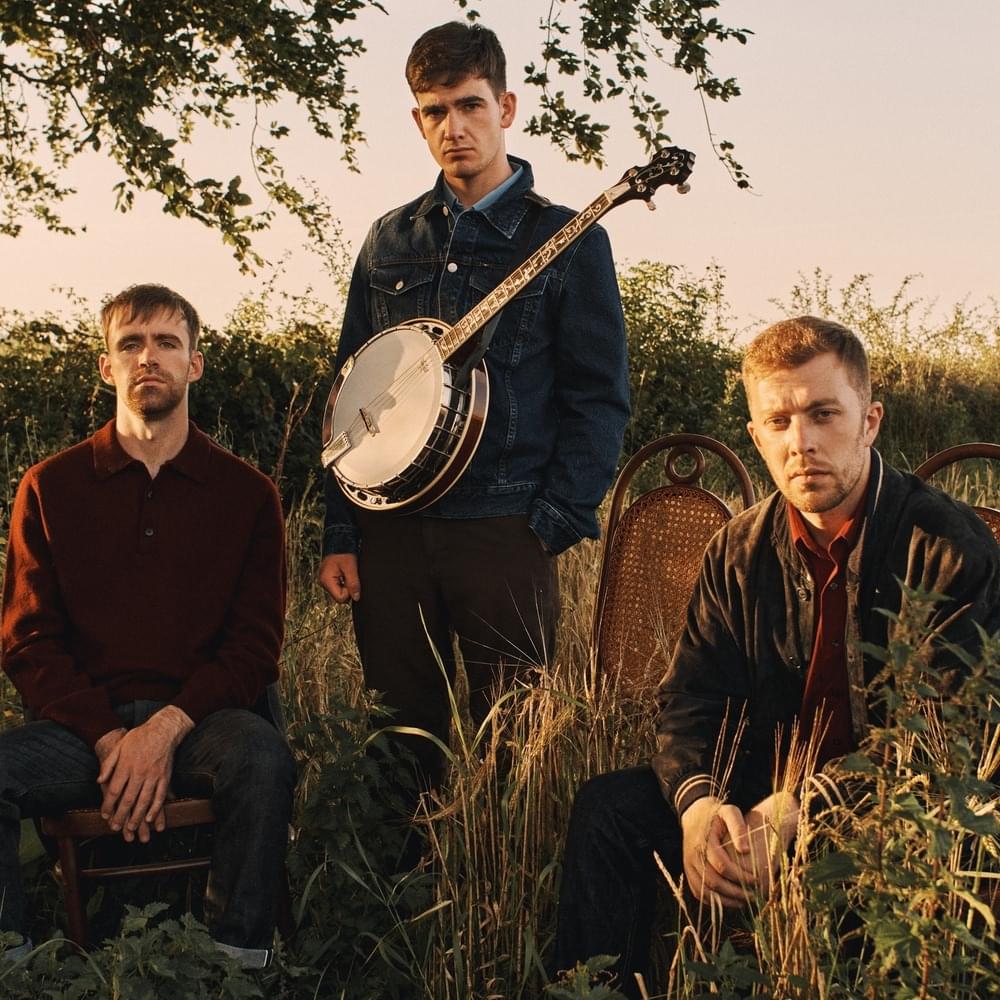
"Killeagh" de Kingfishr es mucho más que una canción; es un himno apasionado a la ciudad natal del artista en Irlanda. La letra nos transporta a un lugar lleno de orgullo, comunidad y un espíritu indomable. Desde los bosques de Glenbower hasta el río Dissour, cada línea pinta un cuadro de amor profundo por la tierra, su gente y sus tradiciones. Es una celebración de la identidad forjada en un lugar pequeño pero con un corazón gigante.
La canción también rinde homenaje a la gloria deportiva local, probablemente el hurling, un deporte tradicional irlandés. Las referencias a los colores "el verde y el blanco", las victorias en los años '95 y '01, y el deseo de ser enterrado con su hurley (el palo de hurling) muestran cómo el deporte une a la comunidad y se convierte en una parte fundamental de su legado. Es un canto de lealtad eterna a la parroquia, a sus luchas y a sus triunfos.
„Killeagh“ ist eine kraftvolle Hymne auf einen ganz bestimmten Ort in Irland. Der Sänger besingt seine Heimat, von den Wäldern von „Glenbower“ bis zum Fluss „Dissour“, und drückt einen tiefen Stolz auf seine Herkunft aus. Er beschreibt die Menschen dort, insbesondere „die Jungs, die niemals knieten“, als leidenschaftlich und kämpferisch, angetrieben von der Liebe zu ihrem Land und ihrem Glauben.
Der Song ist durchdrungen von der Begeisterung für den lokalen Sport. Die Farben „Grün und Weiß“, die der Sänger verehrt, sind wahrscheinlich die Farben der örtlichen Mannschaft. Er erinnert an wichtige Siege in den Jahren 1995 und 2001, die für die Gemeinschaft Meilensteine waren. Diese tiefe Verbundenheit wird im letzten Wunsch des Sängers deutlich: Er möchte mit seinem „Hurley“, einem Schläger aus dem irischen Nationalsport Hurling, am Fluss seiner Heimat begraben werden. Es ist ein Lied über Identität, Gemeinschaft und eine lebenslange Leidenschaft.
„Killeagh” de la Kingfishr este mai mult decât un cântec, este un imn plin de pasiune dedicat orașului natal. Versurile ne poartă într-un mic sat din Irlanda, pictând o imagine vie a mândriei locale și a unui puternic sentiment de apartenență. Cântărețul își amintește cu drag de locurile copilăriei, de la pădurile Glenbower la râul Dissour, și evocă spiritul neînfricat al comunității, unde „băieții nu au îngenuncheat niciodată” și au luptat mereu pentru ceea ce iubesc.
Un element central al acestei mândrii este sportul local, cel mai probabil hurling, un joc tradițional irlandez. Culorile „verde și alb” sunt culorile echipei, iar victoriile din '95 și '01 sunt momente de glorie colectivă. Piesa este o celebrare a loialității, a rezistenței în fața greutăților și a legăturii profunde, de o viață, cu locul pe care îl numești acasă, o legătură atât de puternică încât dorința finală a naratorului este să fie îngropat acolo, alături de crosa sa de hurling.
Esta canção é um hino poderoso à cidade natal do artista, Killeagh, na Irlanda. É uma celebração cheia de orgulho e nostalgia pela terra, pela comunidade e, especialmente, pelo time esportivo local. A letra pinta um quadro vívido de um lugar onde as pessoas lutam com paixão pelo seu lar, simbolizado pelas cores "o verde e o branco" que elas adoram.
A música mergulha fundo na cultura irlandesa ao focar no hurling, um esporte local muito popular. O artista recorda vitórias específicas do time, como a promoção em 1995 e a subida à categoria sênior em 2001, mostrando como esses momentos unem a comunidade. O desejo final de ser enterrado com o seu "hurley" (o taco usado no jogo) junto ao rio local mostra a profundidade dessa ligação, uma identidade que dura a vida inteira.
Приготовьтесь к песне, которая перенесет вас прямо в сердце Ирландии! "Killeagh" от Kingfishr – это не просто мелодия, это настоящий гимн любви к родному краю, к его истории и к тем, кто его защищает.
Эта песня – о гордости за свою малую родину, Килли, и о непоколебимом духе ее жителей. Лирика переносит нас из "woods of Glenbower to the river Dissour" [из лесов Гленбауэра к реке Диссур], показывая глубокую связь с природой и домом. Мы видим, как автор вспоминает "the pride that I felt around the where the boys never knelt" [гордость, которую я чувствовал там, где парни никогда не преклоняли колени], что говорит о силе духа и стойкости. А еще здесь есть упоминания о спортивных победах – "'95 came promotion, high up on the wing and '01 up to senior, what a beautiful thing" [в 95-м было повышение, высоко на фланге, а в 01-м до старших, какая прекрасная вещь], что добавляет песне нотку ностальгии и радости за достижения общины. Это очень трогательная и мощная песня о принадлежности и любви к своему уголку мира.
Préparez-vous à ressentir la fierté irlandaise à l'état pur ! "Killeagh" n'est pas juste une chanson, c'est un véritable hymne à la ville natale du groupe Kingfishr. Les paroles nous transportent dans le petit village de Killeagh, en Irlande, des bois de Glenbower à la rivière Dissour. C'est une déclaration d'amour passionnée pour ses racines, sa communauté et un esprit de combat qui ne s'éteint jamais.
Mais de quel combat s'agit-il ? La chanson est profondément liée au sport local, le hurling ! Quand le chanteur évoque "le vert et le blanc", il parle des couleurs du club de la Gaelic Athletic Association (GAA) de Killeagh. Les dates mentionnées, 1995 et 2001, correspondent à de vraies victoires importantes pour l'équipe. La chanson célèbre donc l'esprit d'équipe et la fierté locale, un sentiment si fort que le chanteur souhaite même être enterré avec sa crosse de hurling (hurley). C'est un hommage vibrant à l'endroit qui a tout façonné.
Questa canzone è un inno appassionato e sentito per un luogo specifico in Irlanda chiamato Killeagh. L'artista, originario dell'Irlanda, canta con orgoglio del profondo legame con la sua terra, partendo dai ricordi d'infanzia ("From the arms of my mother") fino a un'eterna devozione.
Il testo celebra lo spirito combattivo e la lealtà della sua gente, i "Killeagh boys", che lottano per amore della loro parrocchia, simboleggiata dai colori verde e bianco ("the green and the white"). La canzone fa riferimento a momenti specifici di trionfo sportivo, come le promozioni del '95 e del '01, e menziona persino l'"hurley", il bastone usato nello sport irlandese dell'hurling. È un tributo all'identità locale, alla comunità e a una passione che dura tutta la vita, fino al desiderio finale di essere sepolto vicino al fiume Dissour con il proprio hurley.
Prepare-se para uma conversa intensa e emocionante com "The Blade" da banda irlandesa Kingfishr. A música soa como um pai a partilhar uma dura lição de vida com o seu filho. A letra mergulha nos sentimentos de um homem que sente ter chegado ao "fim da linha", consumido pelo arrependimento das escolhas que fez. Ele já não tem mais distrações, como o uísque ou o vinho, para o ajudarem a escapar da sua realidade.
O ponto central da música é a poderosa metáfora: "Se ele não consegue encontrar a caneta, com certeza encontra a lâmina". A caneta simboliza a oportunidade de escrever um novo futuro e mudar a sua história, enquanto a lâmina representa a destruição e o fim. É um aviso sombrio de alguém que sente que perdeu a capacidade de reescrever o seu caminho, vendo apenas uma saída trágica. A canção é um conto de advertência profundo sobre o peso das nossas decisões.
„The Blade” de la trupa irlandeză Kingfishr este un cântec puternic și melancolic. Imaginați-vă o conversație sinceră, poate între un tată și fiul său. Tatăl se simte la capătul puterilor, copleșit de regretele unei vieți pline de alegeri greșite. El spune că și-a „ars toate podurile” (burned all his bridges), o expresie care înseamnă că a distrus toate legăturile importante. Chiar dacă a avut și succese, acum simte că doar „întunericul” (the darkness) îl mai așteaptă.
Inima cântecului stă într-o metaforă memorabilă: alegerea dintre stilou și lamă. Când un om nu poate trăi cu deciziile luate, se confruntă cu o alegere:
- Stiloul (The Pen): Simbolizează șansa de a-și rescrie povestea, de a crea un nou viitor.
- Lama (The Blade): Reprezintă distrugerea, un final tragic. Este un avertisment sumbru despre cum regretele ne pot împinge la limită și despre importanța de a găsi o cale de a merge mai departe, în loc de a renunța.
¿Alguna vez has sentido el peso de tus decisiones pasadas? "The Blade" del grupo irlandés Kingfishr nos sumerge en una conversación íntima y sombría, casi como una confesión de un padre a su hijo. El protagonista de la canción se siente en un callejón sin salida, lleno de arrepentimiento por los "puentes quemados" y las elecciones que lo han llevado a un lugar oscuro y solitario.
La canción explora una idea muy poderosa a través de una metáfora central: la pluma frente a la cuchilla. La pluma representa la capacidad de reescribir tu propia historia, de crear un futuro diferente. En cambio, la cuchilla simboliza una salida destructiva y final cuando sientes que ya no puedes cambiar tu destino. Es una reflexión sobre la lucha entre la creación y la destrucción, y sobre cómo lidiamos con los errores que no podemos deshacer.
Plongez dans l'univers sombre et poignant de "The Blade" du groupe irlandais Kingfishr. La chanson se présente comme une conversation, probablement d'un père à son fils, empreinte de regret et de désespoir. Le narrateur se sent au bout du rouleau, ayant épuisé toutes ses ressources et ses espoirs, et ne voyant que les ténèbres devant lui. C'est le portrait d'un homme hanté par les choix qu'il a faits et qui se trouve au bord de la folie.
Le cœur de la chanson réside dans une métaphore puissante : "If he can't find the pen, he can sure find the blade" (S'il ne trouve pas la plume, il trouvera certainement la lame). La plume symbolise la capacité à réécrire son histoire, à créer un avenir différent, tandis que la lame représente une issue destructrice et définitive. C'est une réflexion poignante sur le poids des regrets et le choix tragique entre la création et l'anéantissement lorsque l'on se sent piégé par son propre passé.

