Los Laureles Lyrics in English by Linda Ronstadt
Capullo primarily means "cocoon" or "bud"—the protective casing of a developing insect or a flower before it blooms. It's a delicate and visually rich word that's far less common in everyday conversation than flor or rosa.
In this romantic ranchera, the singer compares her lover to a cotton plant, singing "Eres mata de algodón / Que vives en el capullo." This metaphor creates a beautiful image of someone precious and sheltered, wrapped up safely like raw cotton inside its boll. It expresses both admiration and a hint that he might be protected or naive, making it a layered and memorable word to learn.
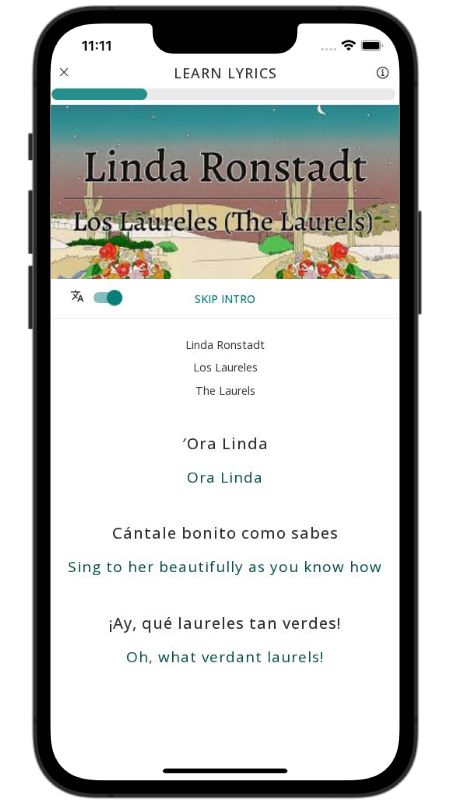
Los Laureles is a classic ranchera tale of love that burns as brightly as the "rosas tan encendidas" the singer describes. Over lively guitars and soaring vocals, the narrator compares her beloved to lush laurels, fiery roses and delicate cotton still in its bud. Each image highlights the freshness and fragility of new romance while hinting at the fierce passion beneath. She pleads, "Si piensas abandonarme mejor quítame la vida," laying bare a love so intense that life without it feels impossible.
Yet beneath the flowery praise lies doubt. The singer wonders if her admirer is already promised to someone else and, sensing swelling pride, prepares for heartbreak: "Quisiera hacerte un invite, pero la verdad no sé…" In the end she offers a bittersweet farewell, admitting that "la perdición de los hombres son las benditas mujeres" – love may ruin us, but it is also a blessing. Linda Ronstadt’s vibrant performance turns this emotional tug-of-war into an unforgettable celebration of devotion, longing and the courage to say goodbye when love feels out of reach.