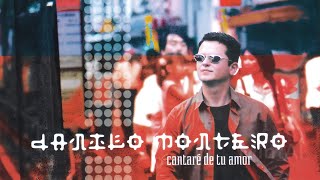
Fue En La Cruz Lyrics in English by Danilo Montero
Canceló means "canceled" or "annulled." While it might seem like a common word, its use in this song is particularly profound and impactful.
In the context of "Fue en la Cruz," the lyrics state, "Sí, fue en la cruz que él canceló todo deber que condenaba mi ser" (Yes, it was on the cross that he canceled every debt that condemned my being). This isn't just about canceling an appointment; it refers to the spiritual cancellation of sin and condemnation, making it a powerful and central theme of the song's message of redemption.
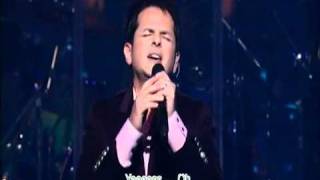
Danilo Montero's "Fue En La Cruz" [It Was On The Cross] is a powerful declaration of faith and gratitude. The song celebrates the profound impact of the cross, where the singer found "La paz y el gozo que llena" [The peace and joy that fills] and "La gracia que lo cambió todo" [The grace that changed everything]. It's a joyful recognition of how this event transformed their life.
The lyrics repeatedly emphasize that it was on the cross that the singer's soul's condition became clear, revealing how far they were from "su perfecto amor" [His perfect love]. But more importantly, it was there that "el Salvador me dio su amor y vida para siempre" [the Savior gave me His love and life forever] and "canceló todo deber que condenaba mi ser" [canceled every debt that condemned my being]. The song beautifully expresses the idea that the cross opened "la puerta del cielo" [the door to heaven], allowing access to the Father in true worship. It's a heartfelt thank you for a love and forgiveness that changed everything.