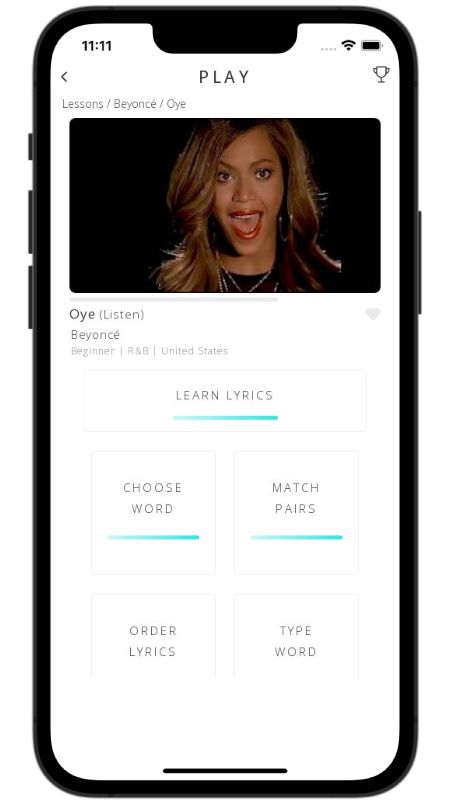
Oye Lyrics in English by Beyoncé
Alumna translates to "female student". It's a fascinating and uncommon word to find in a song about a breakup, making it truly unique.
Beyoncé uses it metaphorically when she sings, "Hoy tu alumna te dice adiós" (Today your student says goodbye). She's not talking about school; she is describing a relationship where she has finally outgrown her partner's influence. By "graduating" and leaving, she powerfully reclaims her own voice and independence.
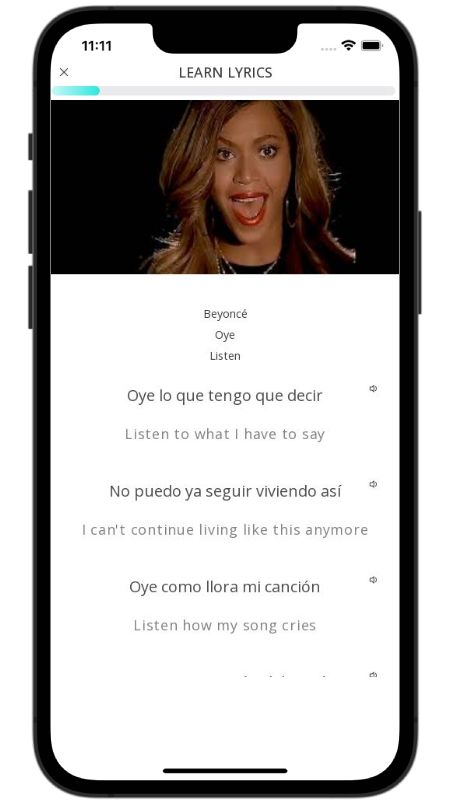
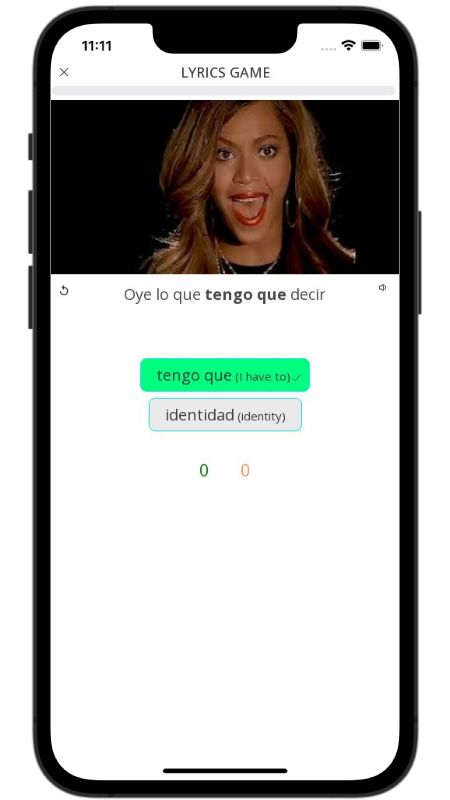
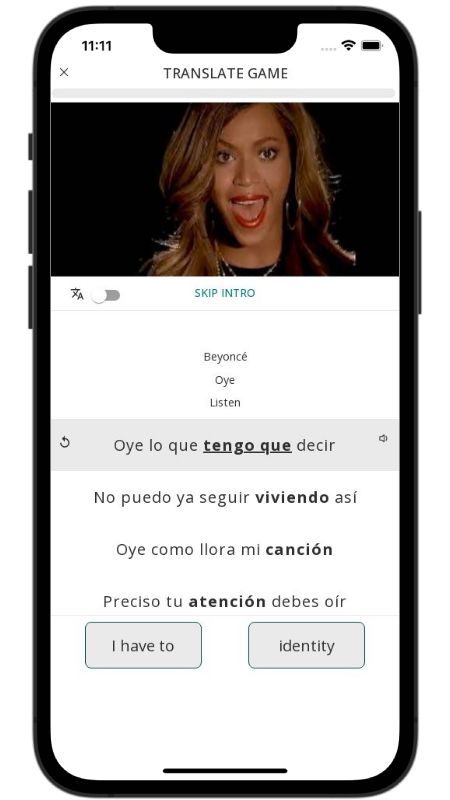
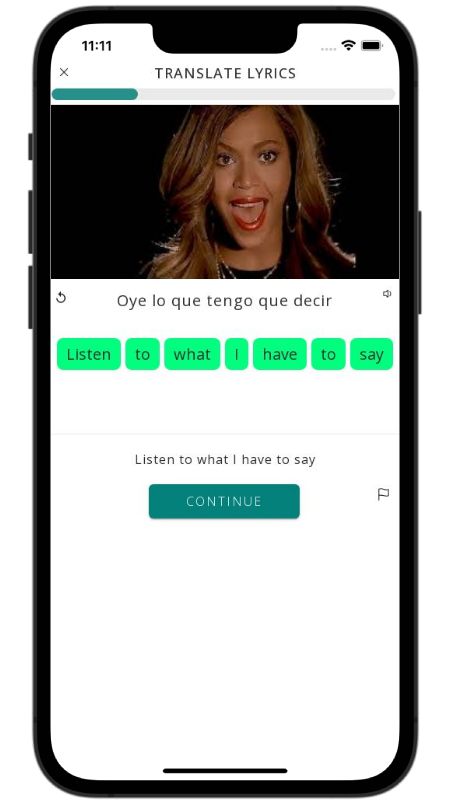
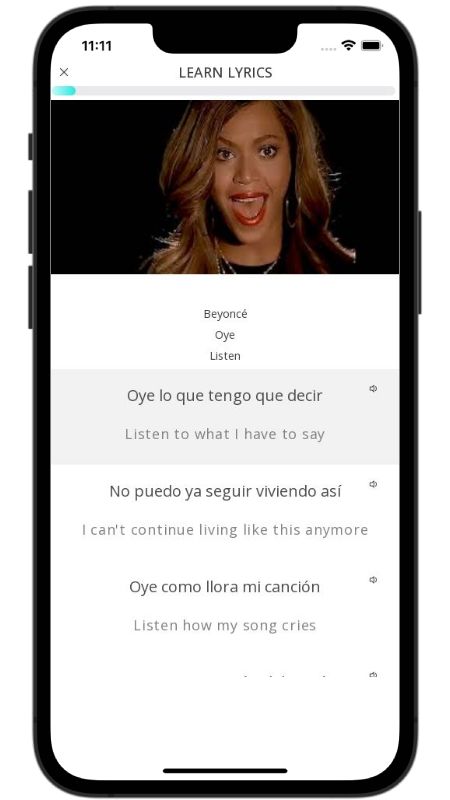
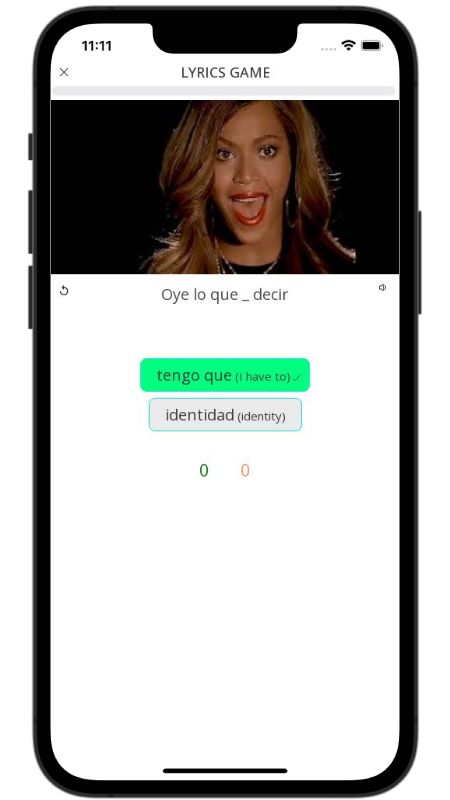
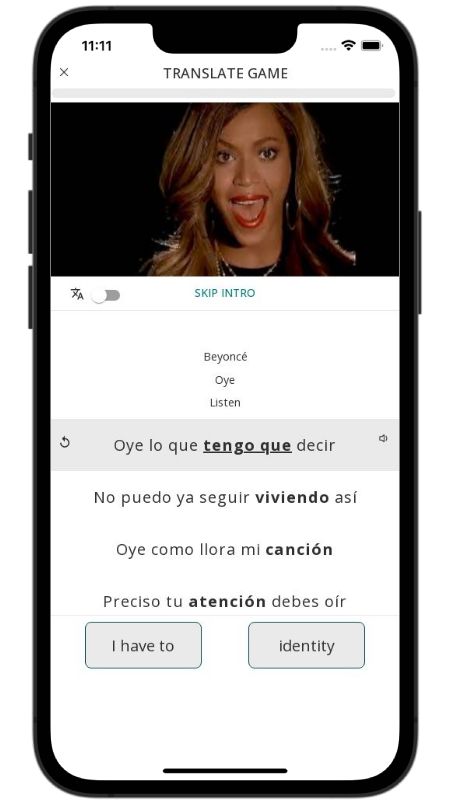
Beyoncé goes straight for the throat in this powerful Spanish-language R&B ballad. Right away, she demands your focus with the title line "Oye lo que tengo que decir" (Listen to what I have to say). The track tells the story of someone breaking out of a controlling dynamic where their partner tried to silence them. She sings that silencing her identity was a huge mistake ("Callar mi identidad, que gran error"), and she makes it clear that staying is no longer an option: "No puedo ya seguir viviendo así" (I can no longer keep living like this).
What makes the song so dramatic is the clash between teacher and student. When she drops the blunt line "Hoy tu alumna te dice adiós" (Today your student says goodbye to you), she flips the power balance completely. She calls herself his "gran creación" (great creation) only to pack up and leave him behind. Her entire mission shifts to discovering who she is outside of his shadow ("Yo tengo que encontrar mi voz" / I have to find my voice). It is a direct, theatrical exit anthem about breaking out of someone else's cage to find your own light.