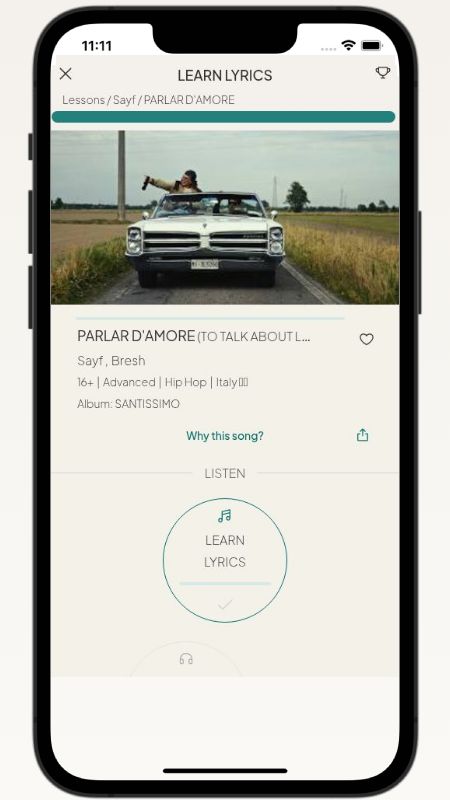
PARLAR D'AMORE Lyrics in English by Sayf, Bresh
Carrozzone literally translates to "big top" or "circus wagon". It's an evocative word that immediately brings to mind images of a traveling circus, with all its spectacle and perhaps a touch of chaos.
In the song, the artist uses it metaphorically to describe love itself: "Cento canzoni che parlano sempre d'amore che è Un carrozzone, una festa, una sagra per te." Here, love is portrayed as a grand, perhaps overwhelming, spectacle or event, much like a circus, a party, or a festival. This unique comparison makes the word stand out and adds a layer of intriguing imagery to the lyrics.
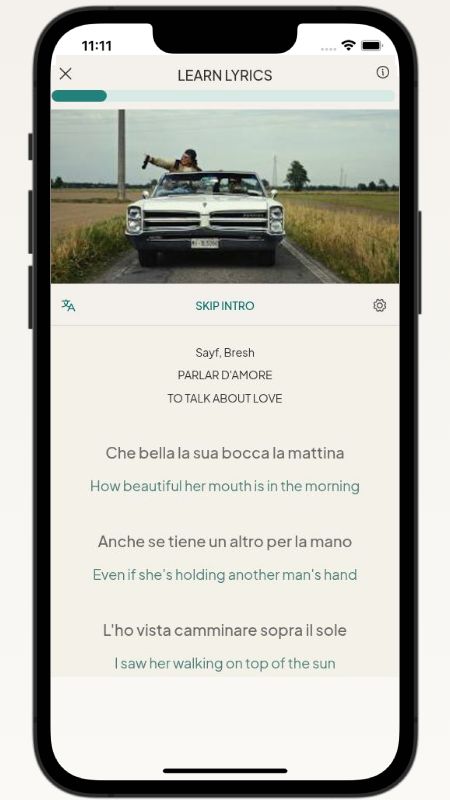
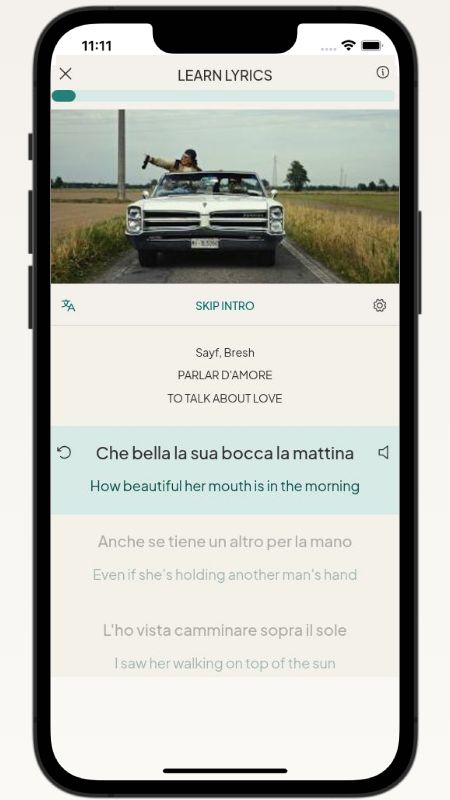
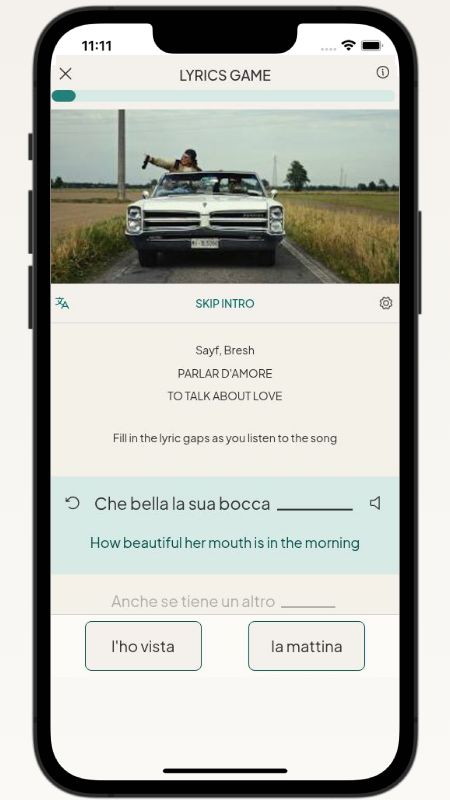
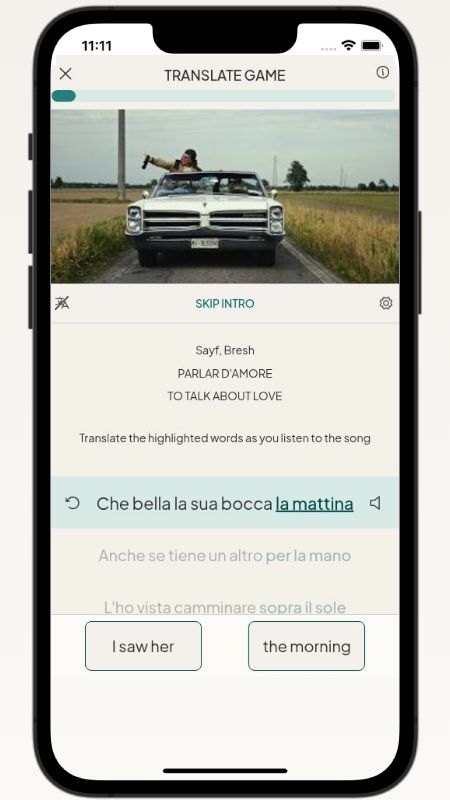
Sayf spends this one circling a woman who is very obviously with somebody else, and he is entirely relaxed about it. The hook keeps returning to the same small detail, "Che bella la sua bocca la mattina" [how beautiful her mouth is in the morning], and then immediately undercuts itself with "Anche se tiene un altro per la mano" [even if she's holding another man's hand]. The grievance underneath is that she would not talk to him about love, sung so many times that it stops reading as a complaint and starts reading as a shrug.
The second verse is where the excuse-making gets funny. "Non è una santa lei, non sono un santo io" [she is no saint, and I am no saint either] does most of the moral work, and then "Se va in vacanza lei, volo ad Ibiza anch'io" [if she goes on holiday, I fly to Ibiza too] says the plan out loud, with "Che lì, non ti vede nessuno, tutti tranne Dio e anch'io" [because nobody sees you there, nobody except God and me] as the alibi. He even offers her permission she never asked for: "E questa sera vatti a divertire" [and tonight go out and enjoy yourself]. For a song built on refusing to talk about love, it finds very little else to talk about.