Volver A Empezar Lyrics in English by Julio Iglesias
Daría translates to "I would give". It is the conditional form of the verb dar (to give), which is used to talk about hypothetical situations or possibilities.
In this classic ballad, Julio Iglesias sings the heartbreaking rhetorical question, “¿qué no daría?” (what wouldn't I give?). He uses this powerful phrase to express profound regret and the desperate wish to undo his past mistakes and win back his lost love. It perfectly captures the song's melancholic theme of longing to "volver a empezar" (start over).
This song is a classic tale of someone who only realizes what they had once it's gone. Julio Iglesias sings from the perspective of a man filled with regret. He admits he was careless with his partner's feelings, confessing, "Yo que siempre jugué con tu amor hasta el final" (I, who always played with your love until the end). He was so sure of her love that he took it for granted.
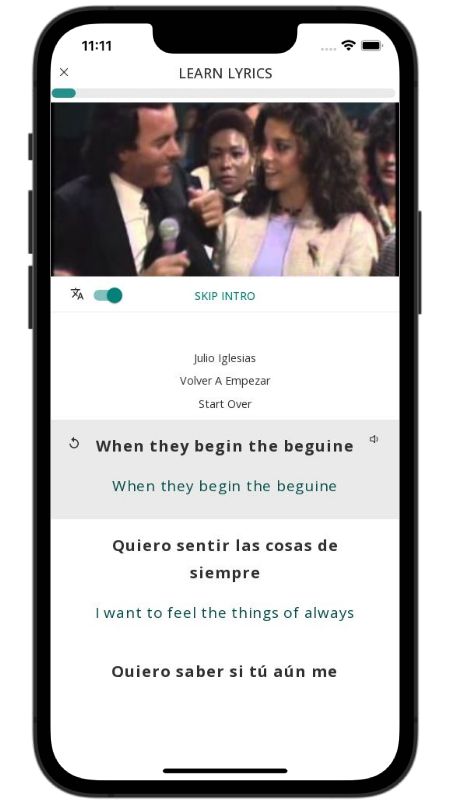
Now, hearing a romantic song (a "beguine," which is a type of dance), he's overwhelmed by the desire to turn back time. He's desperate to know if she still has feelings for him and if they can just forget everything and try again. He asks, "Quiero saber si tú aún me quieres / Para volver a empezar" (I want to know if you still love me / To start over). It's a powerful plea from someone who finally understands the value of the love he lost.