 LYRICFLUENT
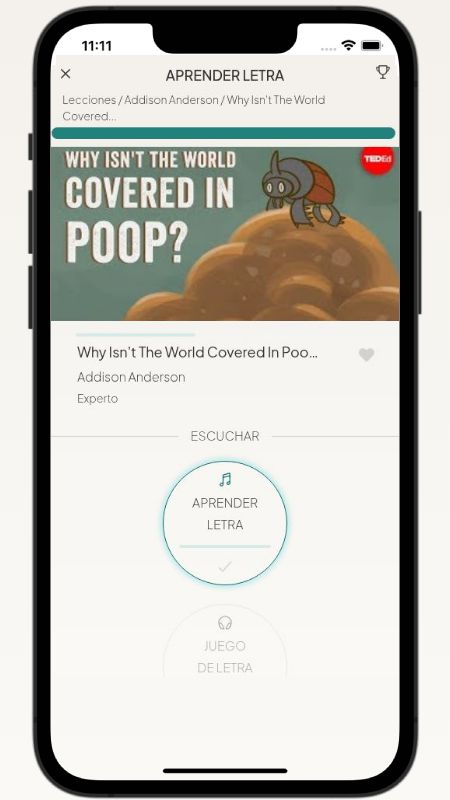
LYRICFLUENTWhy Isn't The World Covered In Poop? Lyrics by Addison Anderson
Below, you will find the lyrics for Why Isn't The World Covered In Poop? by Addison Anderson.
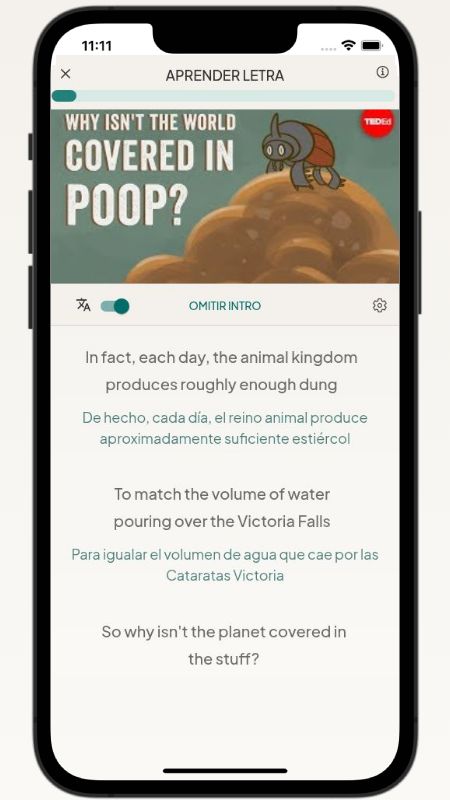
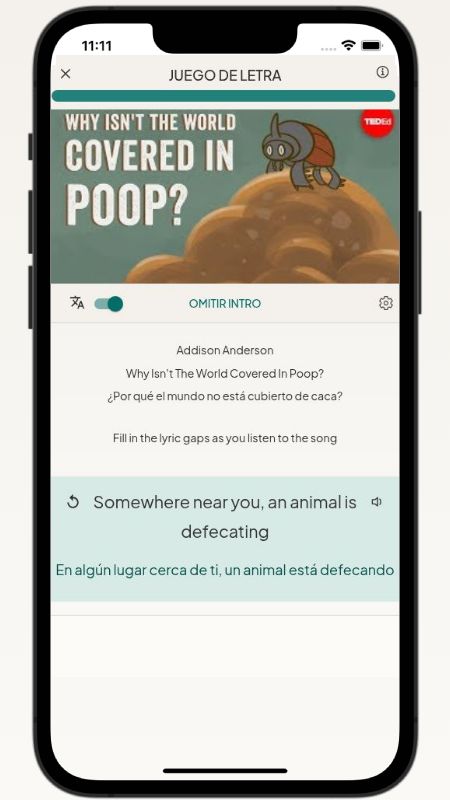
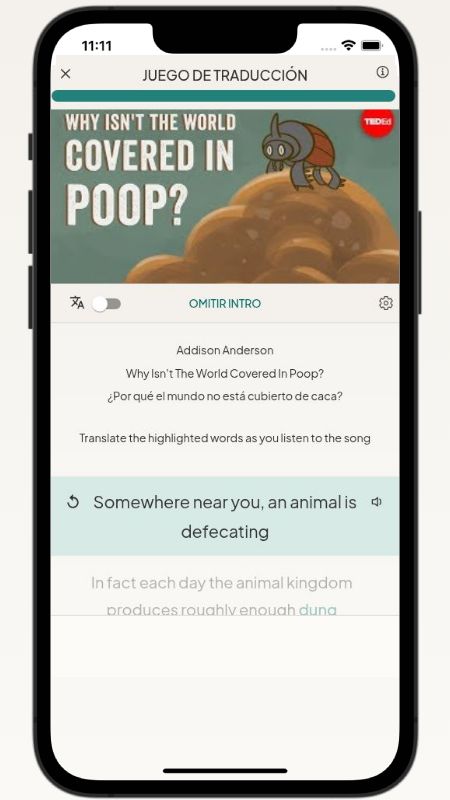
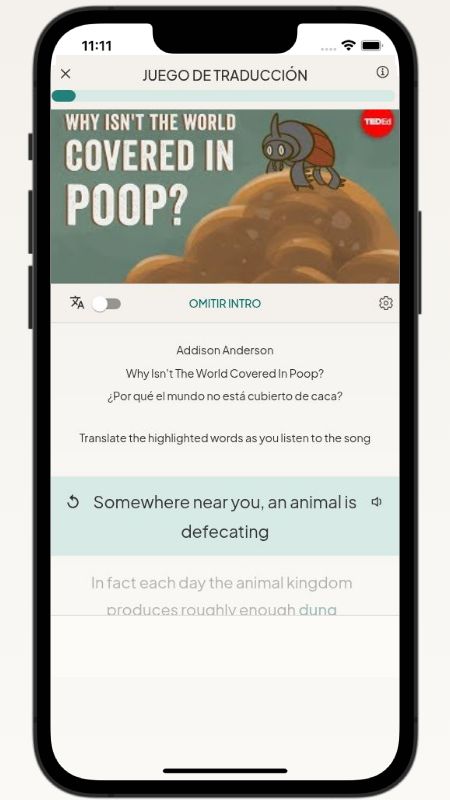
Somewhere near you, an animal is defecating
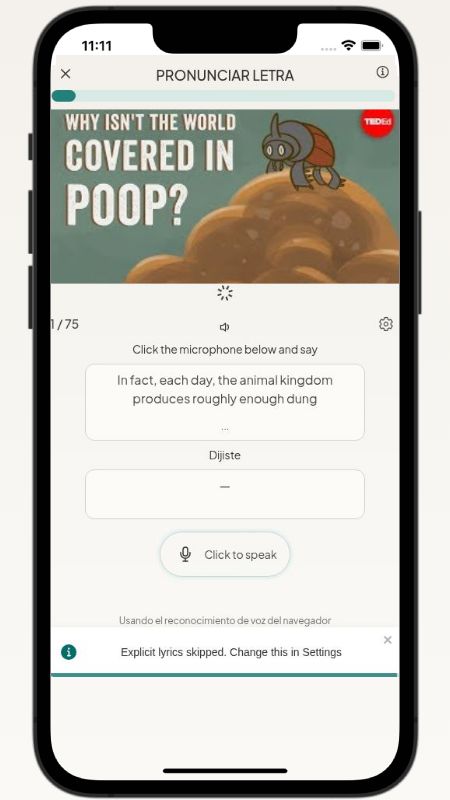
In fact, each day, the animal kingdom produces roughly enough dung
To match the volume of water pouring over the Victoria Falls
So why isn't the planet covered in the stuff?
You can thank the humble dung beetle for eating up the excess
Capable of burying 250 times their body weight in a single night
These valiant insects make quick work of an endless stream of feces
Over 7,000 known species of dung beetle
Run clean-up duty across six continents
—everywhere except Antarctica
A dung beetle's first task is to locate dung
Some live on the anal regions of larger animals
Ready to leap off when they defecate
Others sniff out feces that animals leave behind
A pile of elephant dung can attract 4,000 beetles in 15 minutes
So once a beetle finds dung
It must work quickly to secure some of the bounty for itself
Most dung beetle species fall into one of three main groups
Rollers
Tunnelers
And dwellers
Dung rollers sculpt a ball of dung, and using their back legs
Quickly roll it away from competitors
Potential partners jump on the ball
And once the ball-maker has selected their mate
The pair dig their dung ball into the soil
Once it's been buried, the female lays a single egg
Within the dung ball
Tunnelers have a different approach
Digging underneath a pat, some drag dung down into the soil
And pack it into clumps known as brood balls
Dung balls
Or dung 'sausages,' depending on their shape and size
Male tunnelers sport a spectacular array of horns
To fight each other for control of these tunnels
Which they then defend until the female's laid her egg
Some male tunnelers avoid the fray
By masquerading as hornless females
And sneaking into tunnels to mate
While the guardians' heads are turned
The third group of dung beetles, dwellers
Take the most straightforward approach
Laying their eggs directly into a dung pat
This makes their offspring more vulnerable to predation
Than those of the tunnelers and rollers
As the larvae feed, they riddle the dung pat with tunnels
Leaving remains that are quickly colonized
By bacteria and fungi and weathered away
Inside a tunnel, ball, or pat, once the larvae hatch
They consume the dung before metamorphosing into a pupa
And then an adult beetle
Besides clearing dung, the actions of these beetles
Have considerable ecological importance
For one, they serve as secondary seed dispersers
Dung from monkeys
Wild pigs
And other animals is riddled with seeds from the fruits they eat
When beetles bury their dung balls
They inadvertently protect these seeds from predators
And increase the likelihood they'll germinate
The advantage is so great that one South African plant
Has evolved to produce seeds that look and smell like dung
To trick beetles into burying them
Dung beetles also play important roles in agricultural systems
Livestock, like cows and sheep, produce huge amounts of dung
Which contains nutrients that can benefit plants
The beetles break up the dung and tunnel it deep into the soil
Bringing the nutrients into close contact with plant roots
Their services to farmers have been valued
At $380 million a year in the US
And £367 million a year in the UK
Dung beetles can even help us battle global warming
By reducing greenhouse gas emissions associated with farming
Microbes living in oxygen-poor livestock dung
Produce methane, a potent greenhouse gas
But beetles oxygenate pats when they tunnel into them
Preventing the microbes from producing methane
The dung beetle spreads seeds
Helps farmers
And fights climate change
And accomplishes it all simply by doing its business
Maybe next time you come across some dung in the forest or a field
You'll be tempted to take a closer look
Did you like this lyrics translation?
Learn English with lessons based on this song!





Rated 4.9 · Join 250,000+ learners
Apple and App Store are trademarks of Apple Inc.
Google Play and the Google Play logo are trademarks of Google LLC.
MORE LYRICS

















MORE ADDISON ANDERSON
Languages
Learn English with musicLearn Spanish with musicLearn French with musicLearn Portuguese with musicLearn Italian with musicLearn German with musicLearn Korean with musicLearn Russian with musicLearn Dutch with musicLearn Romanian with musicLearn Ukrainian with musicLearn Turkish with musicLearn Polish with musicLearn Swedish with musicLearn Finnish with music