Learn Spanish With Clave Especial with these 10 Song Recommendations (Full Translations Included!)
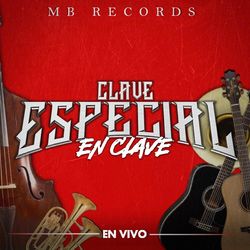
Clave Especial is a vibrant salsa artist from Mexico, known for infusing traditional Latin rhythms with contemporary energy. Drawing inspiration from the rich cultural tapestry of Salsa music, Clave Especial brings to life the dynamic sounds that blend Cuban son montuno, mambo, and Afro-Cuban percussion.
With a passion for preserving the authentic spirit of salsa while adding his unique flair, Clave Especial captivates audiences with rhythmic beats and soulful melodies. His music stands as a celebration of Latin American heritage and the enduring power of salsa to unite and inspire.
"No Pasa Nada" ("Nothing's Wrong" or "It's All Good") drops you right into the high-adrenaline world of Mexican corridos, bringing Clave Especial and Fuerza Regida together for a heavy dose of swagger. The narrator opens with a warning: "Y aguas, no se me asusten si les paso supercargado" ("Watch out, don't get scared if I pass by supercharged"). He talks about having brushed with death so often that his nerves are completely gone. When trouble shows up, he treats shootouts and dodging danger as routine: "Tumbando boludos, ya lo han visto / En noticieros, cosas del oficio" ("Knocking down helicopters, you've seen it / On the news, tricks of the trade"). In Mexican slang, boludo can mean an idiot, but on the street, it directly refers to a military or police helicopter.
What makes the track stick is the repeated phrase "no pasa nada" ("it's nothing"). It works as a shrug against extreme danger. The singer mentions pulling out a Norinco (a Chinese firearms manufacturer) and launching drones, then claims power across Guadalajara and 22 states. Even his wardrobe gets a mention: "A veces caro o ropa sport / De todos modos me sale el terror" ("Sometimes expensive, sometimes sportswear / Either way, the terror comes out of me"). He could be dressed down in a track jacket or dressed up in designer gear; the menacing aura stays identical. Throw in his two romantic companions—"mi morenita" ("my brunette") and "mi güerita" ("my blonde")—and the song delivers a blunt look at power, danger, and staying calm when the sirens go off.
Clave Especial does not waste a single second in "Rápido Soy". Right from the title line, "Rápido soy y voy al frente" [I am fast and I go in front], the track throws you into a high-speed world of armored convoys, money, and street power. He describes riding with a massive motorcade—about twenty trucks deep—telling rivals, "Traemos la plaza en orden, y no me estorben" [We keep the territory in order, and do not get in my way]. La plaza refers to the controlled turf, while la beliqueada is regional Mexican slang for the armed, battle-ready crew backing him up. It is loud, direct, and completely focused on showing who runs the area.
Even with all the danger, the lyrics lean heavily into high-roller swagger. People think they lose focus with "fiestas de más" [excessive parties], but he laughs that off while burning rubber in a luxury ride: "llanta quemando, en Urus Lambo" [burning rubber in a Lamborghini Urus]. Commands and money come straight from high up—"en la montaña nos mandan la orden y también lo verde" [in the mountains they send us the order and also the green cash]—all directed back home to "CLN", which stands for Culiacán, Sinaloa. It is an adrenaline-fueled look at fast wheels, armored trucks, and unquestioned authority on the streets.
Get ready for some serious swagger with "No Son Doritos" by Clave Especial featuring Luis R Conriquez! This song throws you right into the world of a powerful figure, starting with a bold declaration: "Tracas, hijo de su puta madre." It's all about showing off strength and a no-nonsense attitude. The lyrics paint a picture of someone surrounded by a "comando con rifles largos, armas de fuego" [a commando with long rifles, firearms], making it clear they're not to be messed with.
Our guy is tough, but also a gentleman to the ladies, saying "Pa'l jale soy bien perro y pa' las damas bien caballero" [For work I'm a real dog, and for the ladies a true gentleman]. He's got a SCAR rifle and a "lanza papas" [potato launcher] for anyone who misbehaves. And when it comes to money, he's got plenty: "no son Doritos, pura calidad" [they're not Doritos, pure quality], with his Dior bag full of dollars from LA. He even buys his lady Baccarat perfume and jewels, telling her not to be scared by his "anillos de atrás que no te espanten, son seguridad" [rings in the back that don't scare you, they're security]. It's a fun, high-energy look into a life of power, luxury, and a little bit of danger!
TU TU TU brings Mexican act Clave Especial together with Edgardo Nuñez for a track that is equal parts smooth romance and blunt street talk. Right out of the gate, the narrator tells his girl to get dressed up for a date night: "Mija, arréglate, ponte bonita" ("Girl, get ready, make yourself pretty"). Here, mija is everyday Mexican slang, a quick blend of mi and hija that translates roughly to "sweetheart" or "girl." He boasts that other women envy her while she looks just like a doll ("de muñequita"), and he tells her to go ahead and warn off every other guy trying to win her over. When it comes to the hook, he gets possessive fast, repeating "solo tú, tú, tú, tú / me perteneces" ("only you belong to me") and declaring that he wants her forever.
Things get funnier and far less traditional in the second verse. He calls her "toda una santita en las redes" ("a total little saint on social media") while noting that in reality, she likes hooking up in the back of a luxury car: "te gusta hacerlo en la Mercedes". He also drops a warning not to panic if he pulls out a weapon—"si saco el R pa' jalarlo" refers to cocking an assault rifle (the "R" being short for a rifle like an AR-15). It is wild, over-the-top posturing, but he immediately admits how helpless he actually is. He tells her, "Tú me conociste bien vago / Y ahora me tienes enculado" ("You met me when I was a total slacker, and now you have me completely head-over-heels obsessed"). Vago means an aimless wanderer or bum, while enculado is very vulgar Mexican slang for being totally infatuated or hooked on someone. He might act tough with his fast cars and firearms, but this girl has him completely wrapped around her finger.
Kalashnikov by Mexican group Clave Especial hits the gas right from the opening line: Kaláshnikov, la trae terciada [Kalashnikov, he carries it slung across his chest]. The lyrics jump straight into a convoy roaring between rural outposts and the big city. You get trucks running in packs (detrás la Raptor viene la manada [behind the Raptor comes the pack]), heavy firepower mounted on dual-rear-wheel pickups (trae bien montada la doble rodado [the dually truck has it well mounted]), and radios crackling for directions: Tírenme copia ¿Pa' dónde vamos? [Copy me, where are we heading?]. The standout detail here is the dirt clinging to the trucks: La ciudad está pavimentada / Pero las trocas vienen empolvadas [The city is paved, but the trucks arrive covered in dust]. It shows they just tore down unpaved backroads from the ranches to hit the capital.
Along the way, the track stacks up military slang against luxury brands. The men wear tactical vests and digital camo uniforms (Empecherado, los pixeleados [Wearing a chest rig, dressed in digital camo]) while staying glued to two-way radios under orders from el teniente [the lieutenant]. Once they hit the city apartment to shower and change, high fashion steps in to carry the gear: Bolsa de Dior, le cabe la corta [A Dior bag, the handgun fits inside] along with una paquita [a stack of cash]. It is a blunt, fast-paced glimpse of modern corrido bélico imagery, where combat gear and designer labels sit side by side in the front seat.
This song is a full-on declaration of a wild and wealthy lifestyle. The singers describe themselves as powerful and ready for anything, with a whole crew to back them up. They boast, "Traigo a mi mando, la caravana, chingo de monos" (I bring my command, the caravan, a ton of guys), and say they're always prepared because "bélico soy" (I'm warlike). The whole attitude is summed up by the title phrase, "Ni modo que no," which is like saying, "Of course!" or "How could I not?" It's a super confident way of saying yes to everything.
That confidence extends to partying and spending money, especially on women. The lyrics get very direct, offering to buy a woman a Rolls Royce, a Birkin bag, and a Rolex. It's all about living a life of excess with yachts in Puerto Vallarta, expensive cars, and no limits. They see a woman they like and immediately say, "Por ese culito, yo le doy dinero" (For that little ass, I'll give her money). It's a blunt look into a world of power, luxury, and getting exactly what you want.
"Muñequita" (little doll) is a full-on flirt song, and it never pretends to be anything else. It opens with "Ay, qué muñequita, bien chula te miras ahorita" (Oh, what a little doll, you look so pretty right now), where chula is Mexican slang for cute or good-looking. From there the singer admits she knows exactly what she is doing: "Tú sabes bien que así provocas" (You know very well that you provoke like that).
The fun part is the gossip. People call him "un perro suelto" (a loose dog, meaning a player), and he brushes it off as "puros mitotes" (just gossip; mitote is a Mexican word for fuss or rumours). His proof he is serious is a bit much in the best way: "Te mando flores a diario, como este vato no hay tantos" (I send you flowers every day, there aren't many guys like this one), with vato being slang for guy or dude. He ends by asking "Ya dime qué tranza" (So tell me what's up), a very Mexican way to say "what's the deal", and saying that with her he "saqué lotería" (won the lottery). The shout-outs to Clave Especial and Grupo Marca Registrada in the middle are the band tags you hear all over this style of regional Mexican music.
Have you ever been in a relationship where you just had to say, "Enough is enough!"? That's exactly the vibe of "Tu Culpa" by Clave Especial featuring Los Parras. This song is a blunt message from someone who's completely fed up with their partner's drama and jealousy. The singer makes it clear that the relationship is over, and it's all the other person's fault for their actions.
They're not holding back, telling their ex, "Es tu culpa si a lo nuestro tuve que poner final" [It's your fault if I had to end what we had] and "ya no tengo por qué aguantar tu actitud" [I no longer have to put up with your attitude]. The lyrics even get pretty direct, saying, "Lo hubieras pensado antes de ir a meterte con aquel cabrón" [You should have thought about it before getting involved with that jerk]. It's a fiery breakup anthem, where the singer is definitely not offering forgiveness, declaring, "Pa' esta madre ya no hay solución" [For this thing, there's no solution]. They're done, and they want their ex to get lost!
“Quisieron Tumbarnos” drops you into a dangerous street scene: the narrator is riding in a car when attackers try to bring him and his crew down. He answers with gunfire, says the group reacts fast, and keeps moving. “Junto a mi gavilla volaban las balas” means “bullets were flying beside my crew,” while “gavilla” refers to his group or gang. The repeated line “La camisa puesta está” [“I have the shirt on”] is an idiom for being fully committed to a side or a role, and he says he will not take it off. He also admits, “No escogí esta vida yo, el destino me la forjó” [“I didn’t choose this life, fate shaped it for me”], presenting this violent world as the life he was pushed into and learned to handle.
The second half widens the scene into a convoy. Armored vehicles, masked men, radios, and thirty trucks surround a leader while everyone stays alert. The narrator says the threats can come from the government or from opposing groups, but he will face them instead of backing down. “No sé recularme” [“I don’t know how to retreat”] is blunt and confident. Even “Parecemos mochomos cuando en caravana andamos patrullando” [“We look like ants when we patrol in a convoy”] gives the song an unexpected image: many vehicles moving together in formation. The mood is defiant and heavily armed, with a brief prayer to heaven before the crew goes back into the action.
This song, "Mi Meta De Morro" by Clave Especial featuring Nivel Codiciado, is all about the grind and making it from nothing. The lyrics really hit home, talking about how everything they have was earned, not given. They sing, "No crean que todo lo que tengo me lo dieron en la mano / Ahuevo que yo lo sude / Ahuevo que sacrifique" [Don't think everything I have was given to me / Of course I sweated for it / Of course I sacrificed]. It's a powerful message about hard work and dedication.
It also touches on dealing with success and the haters that come with it. They mention people calling them snobby for wearing expensive clothes, but they don't let it get to them. "Las envidias nunca faltan pero ya me acostumbre / No te quieren ver brillar / Pero a mi se me resbala" [Envy is always there but I'm used to it / They don't want to see you shine / But it rolls right off me]. The main goal, as they say, was always "del hoyo sobresalir" [to rise from the bottom], and it's clear they've done just that, now rocking Louis Vuitton and Prada, not to show off, but to show how far they've come.

