Learn French With Zaho de Sagazan with these 14 Song Recommendations (Full Translations Included!)
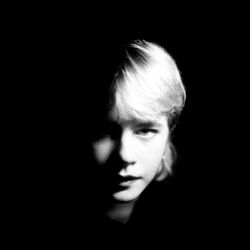
Zaho de Sagazan grew up in Saint-Nazaire, on France's Atlantic coast, born in 1999 into a family of artists: her father, Olivier de Sagazan, is a painter and performance artist, and she trained for years as a dancer as a child. She went on to study business in Nantes and spent a year working as a care assistant in a nursing home before turning to music in her early twenties.
Her debut album, La Symphonie des éclairs, came out in March 2023 and picked up four wins at the following year's Victoires de la Musique, including album of the year. She built her name mixing the storytelling of French chanson with electronic production, running a low, husky voice over beats that pull from Berlin techno.
This song is a powerful anthem for anyone who has ever felt like they were "too much" for other people. Zaho de Sagazan uses the metaphor of a storm to describe a person with intense, overwhelming emotions. She feels like a "petite tempête" [little storm] who has good reasons to cry, but worries that no one could love her because, as she says, "Personne n'aimerait se retrouver / Au coeur d'une tempête, avouez" [Nobody would like to find themselves / In the heart of a storm, admit it].
But then, everything changes. Instead of trying to get above the clouds where "Il fait toujours beau" [It's always beautiful], she decides to embrace the storm. The storm learns that it can create melodies from the wind that can touch people's hearts. She transforms her pain into art, realizing she can make people dance to the rhythm of her tears. The final lines are a triumphant declaration: "moi je suis de ces oiseaux / Qui nous font danser sous l'orage" [me, I am one of those birds / Who make us dance in the storm]. She finds her power not by suppressing her feelings, but by turning them into a beautiful and moving "symphonie des éclairs" [symphony of lightning].
Hast du schon mal gedacht, dass deine traurigen Phasen oder emotionalen Ausbrüche einfach zu anstrengend für andere sind? Zaho de Sagazan kennt das Gefühl extrem gut. In „La Symphonie Des Éclairs“ blickt sie auf ein Mädchen zurück, das von klein auf nur lautlos schreien konnte: „Elle ne savait pas parler autrement / Qu'en criant tout bas“ (Sie wusste nicht anders zu sprechen, als ganz leise zu schreien). Die französische Wendung crier tout bas ist ein herrliches Paradox: Man explodiert innerlich vor Schmerz und Tränen, schluckt den Lärm aber herunter, um niemandem zur Last zu fallen. Als Erwachsene wird das Mädchen zur echten Unruhestifterin und fragt sich ehrlich: „Qui pourrait l'aimer franchement / Personne n'aimerait se retrouver / Au coeur d'une tempête, avouez“ (Wer könnte sie schon aufrichtig lieben? Niemand wäre gern mitten in einem Sturm, gebt es zu).
Aber statt brav auf Sonnenschein zu warten, dreht sie die ganze Sache um. Wer braucht schon blauen Himmel über den Wolken, wenn man mitten im Gewitter tanzen kann? Der Wendepunkt kommt genau in dem Moment, als der Sturm kapiert, dass seine wilden Winde Musik machen können: „Je ferai danser les gens / Au rythme de mes pleurs“ (Ich werde die Leute zum Rhythmus meiner Tränen tanzen lassen). Am Anfang singt sie noch vorsichtig im Konjunktiv, was sie täte, wenn sie ein Vogel wäre („si j'étais un oiseau“). Am Schluss stellt sie trocken fest: Ich bin genau so ein Vogel. Sie verwandelt ihr eigenes Gefühlschaos in ein Donnerkonzert, das andere wärmt, und singt einfach mitten im Regen weiter.
Picture yourself on a long train ride, scenery racing by the window while emotions race inside your chest. Old Friend captures that exact feeling. Zaho De Sagazan sings about letting a trusted companion — her own memories and music — sit beside her whenever loneliness takes a seat. She cries in his voice, finding a strange comfort in tears that wash her clean. The "machine" pulling her through landscapes is both a literal journey and a metaphor for life’s unstoppable motion, and she has learned to invite her sorrow in like an old acquaintance.
Then Tom Odell answers from across the Channel, greeting Zaho as if opening a heartfelt letter. He admires her strength where he feels weak, highlighting the beautiful exchange of support that true friends share. Together they remind us that real friendship can fly over language barriers, tour buses, and heartbreak, offering a safe place to feel everything — even the storms beneath our wings. In short, the song is a bilingual hug: it teaches that tears are not defeat, but proof that someone’s voice can keep us company until the very end.
¿Alguna vez has sentido que tus emociones son demasiado intensas para el resto del mundo? En «La Symphonie Des Éclairs», la artista francesa Zaho de Sagazan nos habla de una niña que desde su infancia «ne savait pas parler autrement qu'en criant tout bas» [no sabía hablar de otra manera que gritando muy bajo]. Aceptémoslo: crecer sintiéndote como una tormenta andante no es fácil. Ella misma se pregunta con total franqueza: «Qui pourrait l'aimer franchement, personne n'aimerait se retrouver au coeur d'une tempête» [¿Quién podría amarla sinceramente? A nadie le gustaría encontrarse en el corazón de una tormenta].
Todo cambia con un giro brillante: en vez de forzarse a buscar la calma artificial del cielo despejado, decide transformar ese diluvio en música. Se da cuenta de que «des mélodies pouvaient s'échapper du vent» [las melodías podían escapar del viento] y afirma sin dudarlo: «Je ferai danser les gens au rythme de mes pleurs» [Haré bailar a la gente al ritmo de mis lágrimas]. Al final, deja de desear ser un pájaro imaginario y asume su identidad: «Moi je suis de ces oiseaux qui nous font danser sous l'orage» [Yo soy de esos pájaros que nos hacen bailar bajo la tormenta]. Es una canción que convierte el llanto y los truenos en pura fuerza para reconfortar corazones.
Tristesse is Zaho de Sagazan’s defiant face-off with sadness itself. Over throbbing electro-pop beats, she personifies tristesse as an unwelcome intruder at her door, then boldly proclaims, “Vous ne m'aurez pas ce soir” – you will not have me tonight. Instead of being a mere puppet on despair’s strings, she flips the script and calls herself the puppeteer, the painter, the one who wields every emotional color on her own canvas.
Yet beneath that bravado hides a deeper truth. As the song unfolds, cracks appear in her armor: despite her repeated chants of “Je contrôle tout le reste,” sadness lingers, sometimes quietly, sometimes overwhelmingly. The result is a powerful portrait of our love-hate relationship with melancholy – a reminder that true mastery of our feelings lies not in banishing them forever, but in learning to dance with them and still create something beautiful.
En «Old Friend», Zaho De Sagazan presenta la música como una compañía a la que invita cuando llega la soledad. La voz dice: «Quand la solitude vient me rendre visite» [cuando la soledad viene a visitarme], y añade que ha tomado la costumbre de invitarla a cantar. Esa presencia la hace llorar, incluso cuando no buscaba hacerlo: «Il me fait pleurer, ma foi» [me hace llorar, la verdad]. Pero la canción lo admite sin vergüenza: «Si j'y retourne, c'est que j'aime ça» [si vuelvo a ello, es porque me gusta]. La imagen central es sencilla y muy bonita: llorar dentro de una voz, «Pleurer dans sa voix» [llorar en su voz], como si una canción pudiera ofrecer un lugar seguro para dejar salir las lágrimas.
Luego Tom Odell le habla directamente: «Hello there Zaho, it's your old friend Tom» [hola, Zaho, soy tu viejo amigo Tom]. Le dice que está orgulloso de la persona en la que se ha convertido y que, donde él es débil, ella es fuerte. Al escuchar sus canciones, afirma: «I feel the storm underneath my wings» [siento la tormenta bajo mis alas]. La tormenta pertenece a esa voz y a lo que transmite, mientras las alas sugieren que él sigue avanzando con ella cerca. El final repite «We'll be friends until the bitter end» [seremos amigos hasta el amargo final], una promesa directa que convierte la canción en un diálogo entre dos amigos y en una carta de apoyo cantada.
Sabe aquele conselho batido de que "o sol sempre brilha acima das nuvens"? A francesa Zaho de Sagazan ouve isso e dá de ombros. Em La Symphonie Des Éclairs, ela prefere encarar o temporal de frente: "Mais moi si j'étais un oiseau / J'irais danser sous l'orage" [Mas eu, se fosse um pássaro / Iria dançar sob a tempestade]. A letra começa contando sobre uma garota que desde pequena não conseguia falar sem "criant tout bas" [gritar bem baixinho], guardando um mar de lágrimas que ninguém queria por perto. Afinal, quem gosta de ficar preso no meio de uma tormenta? Ela se descreve como uma "petite tempête" [pequena tempestade] cheia de motivos para desabar em chuva.
A grande virada acontece quando essa tempestade percebe que o próprio vento pode virar música: "Je ferai danser les gens / Au rythme de mes pleurs" [Farei as pessoas dançarem / Ao ritmo do meu choro]. É quase uma vingança poética contra os dias cinzentos. No final, ela nem sonha mais em ser pássaro; ela afirma com todas as letras: "moi je suis de ces oiseaux" [eu sou desses pássaros]. Ela aceita suas trovoadas, canta no meio do temporal e usa suas dores para esquentar o coração dos outros e o dela mesma.
Har du någonsin känt att dina känslor är alldeles för stora för resten av världen? I La Symphonie Des Éclairs berättar den franska artisten Zaho de Sagazan om en uppväxt fylld av tårar och inre stormar. Hon sjunger om en flicka som ända sedan barndomen bara kunde tala genom att "criant tout bas" (skrika viskande) och som fällde tårar som skrämde folk. När hon växer upp fortsätter åskvädret inombords, och hon frågar sig rakt ut: "Qui pourrait l'aimer franchement / Personne n'aimerait se retrouver / Au coeur d'une tempête" (Vem skulle ärligt talat kunna älska henne / Ingen vill hamna mitt i en storm).
Men låten stannar inte i mörkret, den vänder det till ren urkraft! Folk brukar säga att det alltid är fint väder ovanför molnen ("Il fait toujours beau / Au-dessus des nuages"), men Zaho vill hellre dyka rakt in i ovädret. När stormen inser att dess vindar kan förvandlas till melodier som når andra människor, bestämmer hon sig för att få folk att dansa till takten av sin gråt ("Je ferai danser les gens / Au rythme de mes pleurs"). I slutet önskar hon inte längre att hon vore en fågel; hon konstaterar stolt att hon redan är en av dem som sjunger i regnet och lyssnar på blixtarnas symfoni.
Znasz to powiedzenie, że „nad chmurami zawsze świeci słońce”? Zaho de Sagazan zaczyna ten utwór od słów „Il fait toujours beau / Au-dessus des nuages” (Ponad chmurami zawsze jest ładna pogoda), ale wcale nie chce tam uciekać. Zamiast tego woli być ptakiem, który leci prosto w środek nawałnicy: „J'irais danser sous l'orage” (Poszłabym tańczyć w burzy). W zwrotkach opowiada o dziewczynie, która od dziecka miała w sobie zbyt wiele emocji, krzyczała po cichu i ciągle płakała. Nazwała ją wprost: „Petite tempête” (Mała burza). Zadaje też szczere, niemal bezczelne pytanie do słuchacza: „Qui pourrait l'aimer franchement / Personne n'aimerait se retrouver / Au coeur d'une tempête, avouez” (Kto mógłby ją szczerze kochać? Nikt nie chciałby znaleźć się w sercu burzy, przyznajcie).
Cała magia tekstu polega na tym, co dzieje się pod koniec. Kiedy ta mała burza orientuje się, że jej wiatr może tworzyć melodie trafiające do ludzkich serc, przestaje zazdrościć słońcu. Zamiast dusić w sobie łzy, postanawia zamienić je w muzykę: „Je ferai danser les gens / Au rythme de mes pleurs” (Sprawię, że ludzie zatańczą w rytm moich łez). W finale Zaho nie śpiewa już zresztą w trybie przypuszczającym. Zamiast „gdybym była ptakiem”, z dumą rzuca: „Mais moi je suis de ces oiseaux / Qui nous font danser sous l'orage” (Ale ja jestem jednym z tych ptaków, które porywają nas do tańca w burzy). To świetny kawałek o tym, jak własną nadwrażliwość przekuć w siłę i dosłownie wyśpiewać tytułową symfonię błyskawic.
Have you ever felt like you were giving more in a relationship than you were getting back? Zaho de Sagazan's song "Suffisamment" dives deep into this feeling. The title itself means "Enough," and it's the key to the whole song. The singer describes a love that is unbalanced: she loves her partner passionnément (passionately), while her partner loves her just suffisamment (enough) to make her stay.
Throughout the song, she questions why she stays, even though she knows the love isn't equal. She admits she's not blind to the situation, but she simply doesn't want to see the truth. Instead, she holds onto a powerful hope: that "one day maybe" her partner will love her à la folie (madly), just like she loves them. It's a beautiful and heartbreaking look at choosing to stay for the possibility of a better future, even when the present is painful.
Aspiration is Zaho de Sagazan’s smoky confession booth, where every breath in becomes a tug-of-war between creativity and craving. The title itself plays on French: aspiration is both the act of inhaling and the spark of inspiration. Over a hypnotic loop, the singer admits that a few drags from her jolie cigarette seem to unlock ideas, yet they also pull her into a dizzying spiral. That inner voice keeps whispering, promising just one last puff, but the “last” never arrives.
Beneath the catchy repetition lies a raw portrait of addiction’s vicious cycle. Each verse mirrors the previous one, underlining how habits replay like a broken record: momentary calm, quick rush of ideas, then the return of guilt and longing. The song feels at once intimate and universal, capturing that delicate line where comfort turns to compulsion. Whether you wrestle with cigarettes, caffeine, or any other fix, “Aspiration” reminds us how easy it is to romanticize our vices—and how hard it is to finally put them down.
Ah, Que La Vie Est Belle is Zaho de Sagazan’s glittering love letter to the surprising jolts of joy that make life feel almost magical. She paints the scene with dream-like snapshots: crystal roses creaking, a ruby-red opera bursting from a laser, a paradise bird flashing its wings. Wrapped in a lover’s embrace, the singer marvels at how, in one dazzling instant, the world can glow with color, warmth, and delicious possibility.
But this celebration is layered with shadows. Winter’s chill, whispers of “bombs and bullets,” and playful threats hint that darkness is never far away. That tension only heightens the song’s central message: because beauty is fleeting, we should gulp it down like a baby greedily drinking milk, shine “like lightning,” and let happiness sweep through our hearts. Zaho reminds us that life is beautiful precisely because it dances on the edge of fragility, turning every small moment into something worth cherishing.
This song is Zaho de Sagazan's musical setting of Charles Baudelaire's poem "La Fontaine de sang" (The Fountain of Blood), from her album La Symphonie des éclairs.
The poem imagines the poet's own blood as a fountain that never stops giving. Friends, lovers, and strangers alike come to drink from it freely, and even his own children take from it until it runs dry. The final lines hold out one small hope: once his enemies are gone, the fountain will find life again.
It's a dark, image-heavy piece about being endlessly drained by everyone around you, and Zaho de Sagazan's arrangement keeps that heaviness while adding a sense of quiet, aching beauty.
Zaho de Sagazan invites us into a twisted fairy tale of love gone wrong. In Les Dormantes she swaps shining armor for snake-skin charm, showing how certain “princes” lure the most sensitive hearts with sweet talk, only to blindfold them and drag them into darker waters. The repeated line “l’amour qui fait tomber les cheveux” paints love as a slow poison that can even make your hair fall, while the hypnotic refrain reminds us that the trap is set so gently we hardly notice it closing.
By the end, the heroine is left like a modern Sleeping Beauty—frozen, disillusioned, and cut off from her own story. The song is a cautionary chant: listen closely to the whispers, trust your instincts, and run before the blue water turns black.

