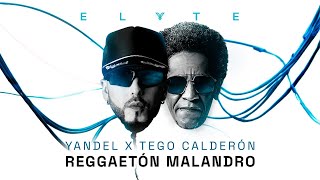
OLD SCHOOL Lyrics in English by Yandel, Farruko
Sandungueo is a vibrant, informal term that captures the essence of a lively party atmosphere, often associated with dancing and rhythmic movement, especially in reggaetón.
In "OLD SCHOOL," Yandel uses sandungueo to evoke nostalgia for the energetic, uninhibited dance parties of the past. It's not just about dancing; it's about the entire experience of letting loose and enjoying the music, making it a perfect word to describe the old-school reggaetón vibe he's celebrating.
Yandel opens by going outside after a long stretch indoors — "Hace tiempo no salía y me dio con dar una vuelta" (I hadn't been out in a while and I felt like taking a walk) — to hear what the street is playing. What he is listening for is not there. "Yo no lo encontré" (I didn't find it), he says, and then names what is missing: "¿A dónde se fue?" (Where did it go?) — el reggaetón.
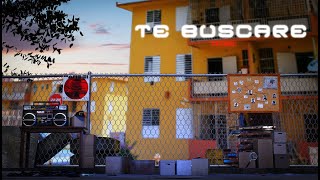
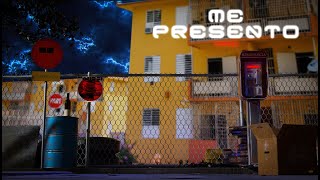
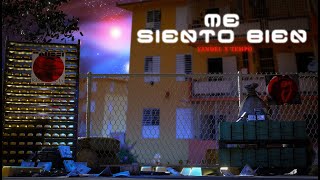
The rest of the track is the memory he measures the present against, and it is specific rather than sentimental. "No habían teléfono' con cámara, nadie grababa" (There were no camera phones, nobody was recording) — a DJ put the record on, a circle opened on the floor, and that was the whole event. A marquesina party with the speakers distorting, the barbershop on the balcony, friends at the gate, a kid pulling a wheelie "como si es una motora" (like it's a motorbike). The chorus asks for it back in one phrase, "Dale pa' atrá'-trá'" (Take it back-back), and the towns the two keep naming — "Cayey y Bayamón, verdadero reggaetón" (Cayey and Bayamón, real reggaeton) — are both Puerto Rican, which is the argument: the sound they want returned is the one that came from there.