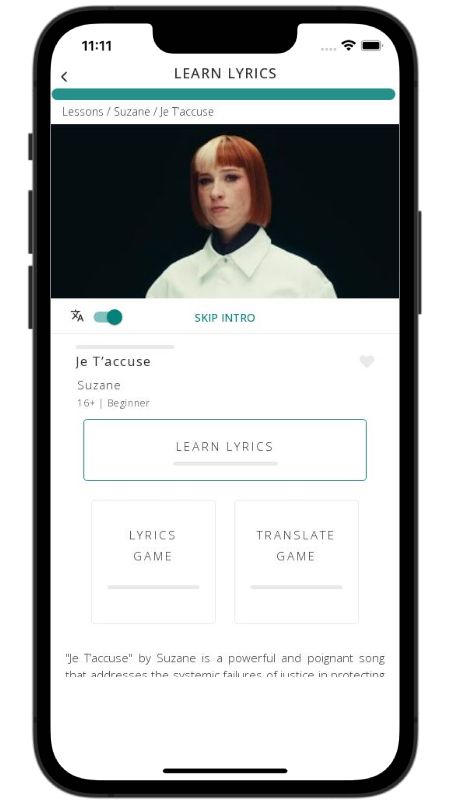
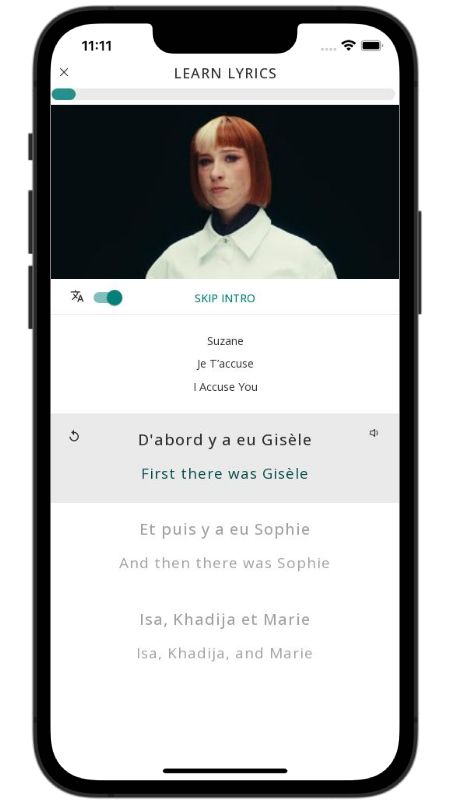
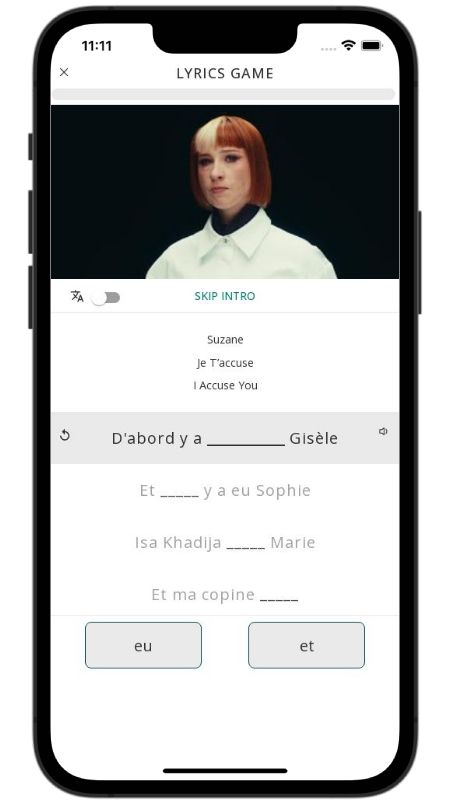
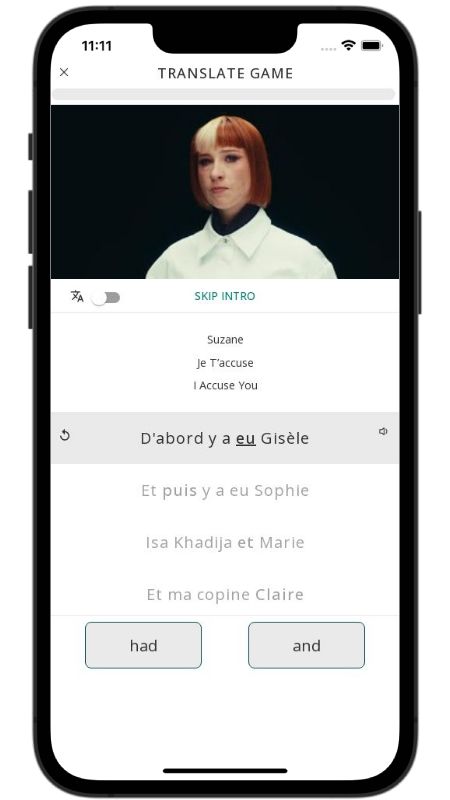
Je T’accuse Lyrics in English by Suzane
Fait divers literally translates to "miscellaneous event," but it refers to a specific section in French newspapers for local news, often about crimes, accidents, and minor incidents. It's a unique cultural term that you won't find in a textbook.
In this powerful song, Suzane sings that a victim's story will just become another name "dans un fait divers" (in a news brief). She uses this phrase to criticize how the system and media treat serious violence against women as trivial, everyday news that is quickly filed away and forgotten.
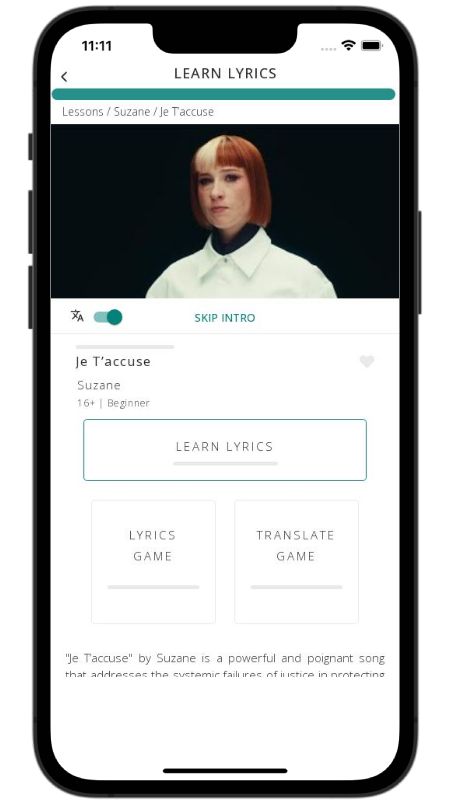
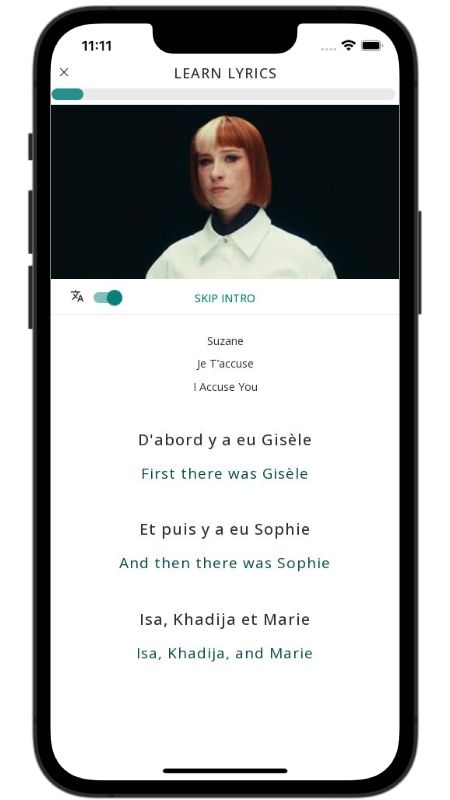
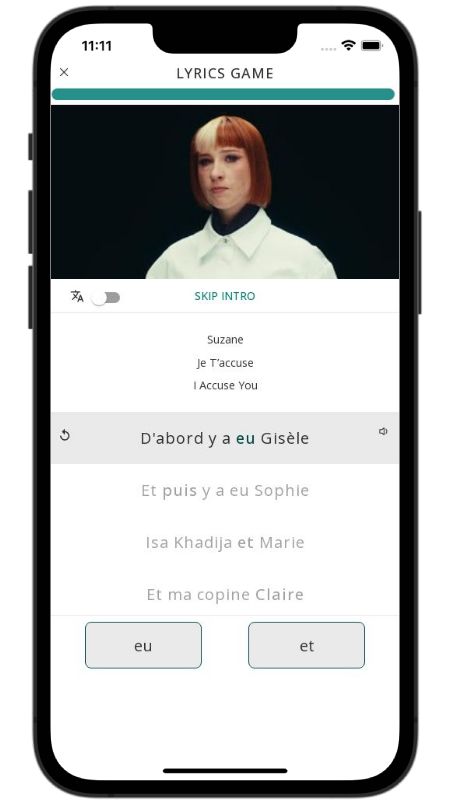
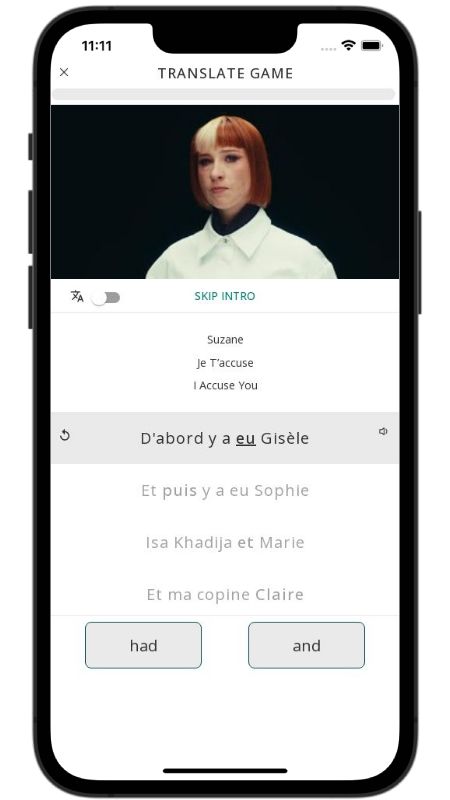
Je T’accuse is Suzane’s rallying cry against a justice system that seems to hit the snooze button whenever women report violence. Name after name scrolls past – Gisèle, Sophie, Isa, Khadija, Marie, Claire – each one a real or symbolic victim whose file ends up in a forgotten drawer. With a pounding electro-pop beat, Suzane points a finger at the courts, the police, and anyone who could have stepped in but chose silence. Her repeated refrain “Je t’accuse” is both courtroom language and protest chant, turning the song into a musical class-action suit on behalf of all those whose stories were ignored.
Behind the infectious groove lies raw frustration. Suzane calls out society’s habit of waiting for superheroes while doing nothing ourselves, highlighting how many kids and women pay the price for institutional apathy. The track flips between anger and determination, asking if citizens must create their own justice when official channels fail. By the final chorus she sings “et j’assume” – I own my accusation – reminding listeners that speaking up is its own form of power. The result is a bold anthem that transforms personal outrage into a collective demand for accountability.