Amigo Mío Lyrics in English by Serko
Chavales is an informal Spanish word for “kids,” “youngsters,” or “young people,” commonly associated with Spain. In the song, it refers nostalgically to the friends they used to be, giving the word a warm, youthful feeling as they remember dancing and growing up together.
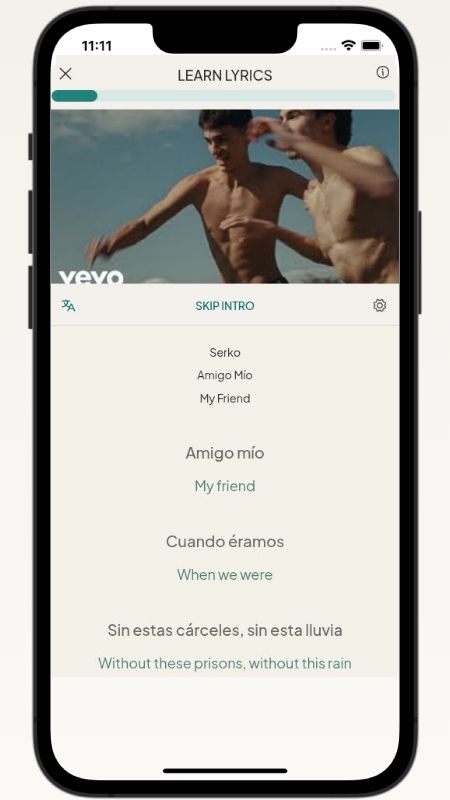
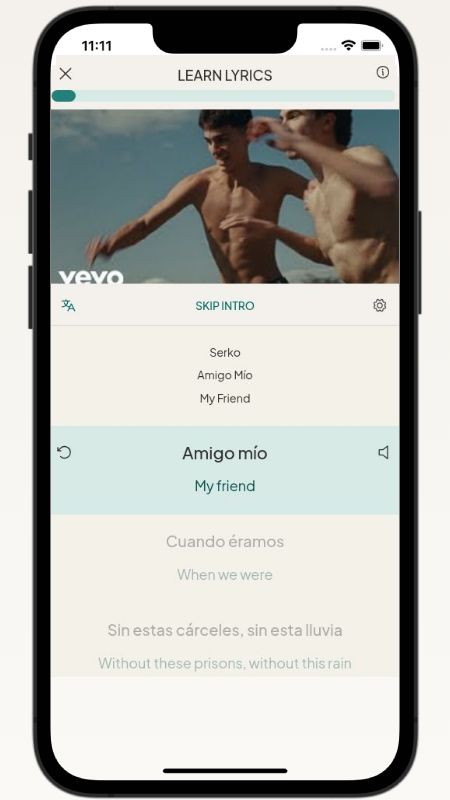
Serko is talking to a childhood friend who is gone, and the song keeps circling back to how small and safe their world used to be. He pictures the two of them on one bike, "Tu pie en los pedales y yo en el manillar" (your foot on the pedals and me on the handlebars), and then asks the question the whole song hangs on: "¿Y eso dónde quedó?" (And where did that go?). The chorus pleads with the friend to remember "Los chavales que antes bailaban" (the kids who used to dance), back before "estas cárceles" (these prisons) and "esta lluvia" (this rain) closed in on them.
The second verse turns darker. "las balas no dolían tanto cuando íbamos juntos" (bullets didn't hurt so much when we were together) treats life as a fight he no longer has backup for, and "Te recordaré en todas las guerras que ya no pueda librar" (I'll remember you in every war I can no longer fight) is about as close to a eulogy as the song gets. His own life is going well now, yet "Hoy me dan dulce y sabe amargo" (today they give me sweet and it tastes bitter). He ends on a stubborn bit of hope, promising that "Los días claros" (the clear days) will come back. Listen for "chavales": it is Spain's everyday word for kids or lads, and you'll hear it all over Spanish pop and rap.