Szampan Lyrics in English by Sanah
Pożegnanie means 'farewell' or 'goodbye'. It's a poignant and evocative word that carries a sense of finality and emotional weight, making it more impactful than a simple 'bye'.
In the song, Sanah sings, "Czy na pożegnanie znajdę jeszcze czas?" (Will I still find time for a farewell?). This line suggests a moment of reflection and perhaps regret, wondering if there will be an opportunity for a proper goodbye amidst the fast-paced, champagne-fueled narrative. It hints at deeper emotions and unresolved feelings, drawing the listener into the song's story.
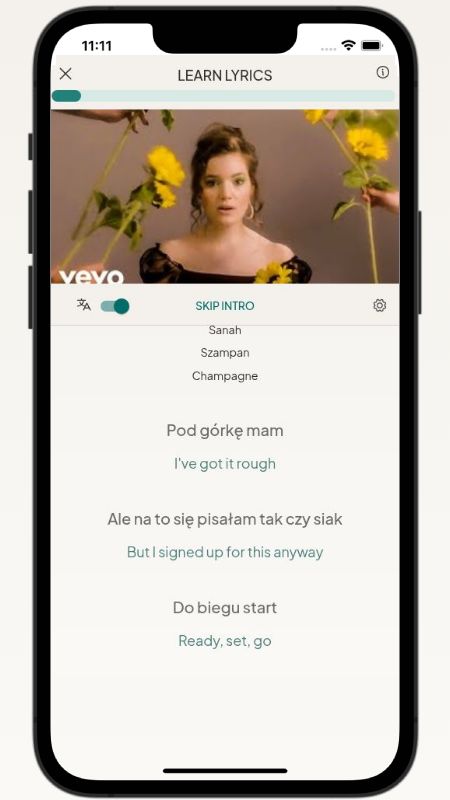
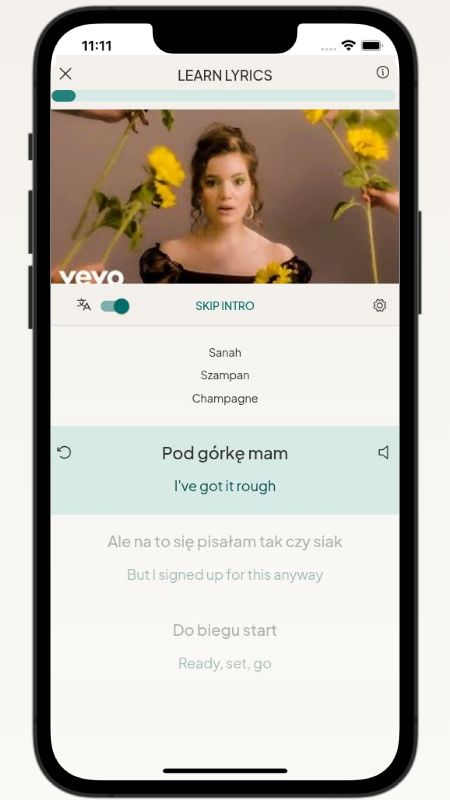
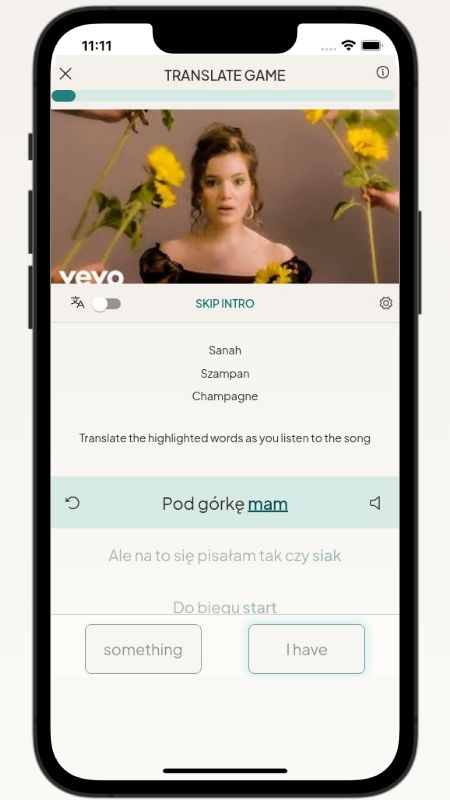
This song is a perfect introduction to Sanah's world. It feels like we've been dropped right into a fancy party celebrating her success, but she's not exactly having a great time. She keeps saying she chose this life, singing, "Pod górkę mam / Ale na to się pisałam tak czy siak" (It's an uphill battle / But I signed up for it anyway). Yet, she seems totally disconnected from the celebration around her. The champagne is spilling, people are talking, but she just asks, "O co mu chodzi?" (What does he want?).
Amidst the party chaos, there's a clear feeling of heartbreak. She's trying to ignore the pain from a past relationship, telling herself, "Zamykam oczy / Byłeś uroczy / Będę udawać, że już nie boli" (I close my eyes / You were charming / I'll pretend it doesn't hurt anymore). The song perfectly shows that strange mix of public success and private sadness. She's making toasts and dealing with critics, but all she really wants is a moment to herself, wondering if she'll even "na moje łzy znajdę jeszcze czas" (find time for my tears).