Volverás Lyrics in English by Ricky Martin
Sequía literally translates to "drought," a long period with little or no rain. It's a word you might associate with weather, not romance, which makes its use here so unique.
In the song, Ricky Martin sings of "besos en sequía" (kisses in drought). He uses this powerful metaphor to describe a lack of affection and intimacy, painting a vivid picture of emotional thirst and longing for his lover's return.
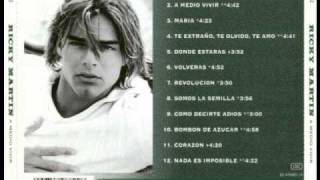
Puerto Rican pop star Ricky Martin delivers a dramatic blend of heartbreak and stubborn optimism in "Volverás". He opens by laying out everything he lost, singing "Yo que te amé / Que jamás te mentí / Me entregué sólo a ti / Y te perdí" ("I, who loved you, who never lied to you, gave myself only to you, and lost you"). He even admits he gambled his own well-being on this romance with "apostándote, te jugué" ("betting on you, I took a gamble"), comparing his hidden feelings to a fragile "amor de viento" ("love of wind") and "una carta escrita en el mar" ("a letter written on the sea"). It sounds like total defeat, but he refuses to let the story end there.
Instead of moving on, he doubles down with complete confidence that an ex will return. The chorus kicks in with "Volverás, volverás / Seguro que pronto vuelves a mi vida" ("You will return, you will return / Surely you will come back to my life soon"). He promises that their reunion will fix the coldness of their past, leaving behind "besos en sequía" ("kisses in a drought") so his lover can drink all his energy instead ("beberás / Toda mi energía"). It is intense, slightly obsessive, and classic dramatic Latin pop at its finest.










![Adiós [Mambo Remix] Lyrics Translation](https://img.youtube.com/vi/C4plFyIPeLk/mqdefault.jpg)