Por Tu Culpa Lyrics in English by Porte Diferente
Falsedad translates to "falsehood" or "falseness." It's a strong word that goes beyond simple lies, implying a deeper deceit or lack of authenticity in someone's character or actions.
In "Por Tu Culpa," the singer uses falsedad to express the profound betrayal he feels. He laments, "Tu falsedad lo único que me supiste a dar" (Your falseness was the only thing you knew how to give me), highlighting that his partner's deceit was a core part of their relationship, leading to his heartbreak and inability to trust again.
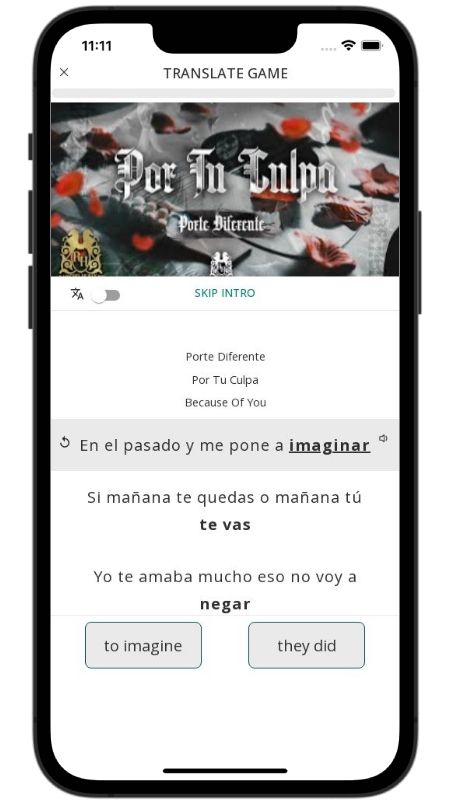
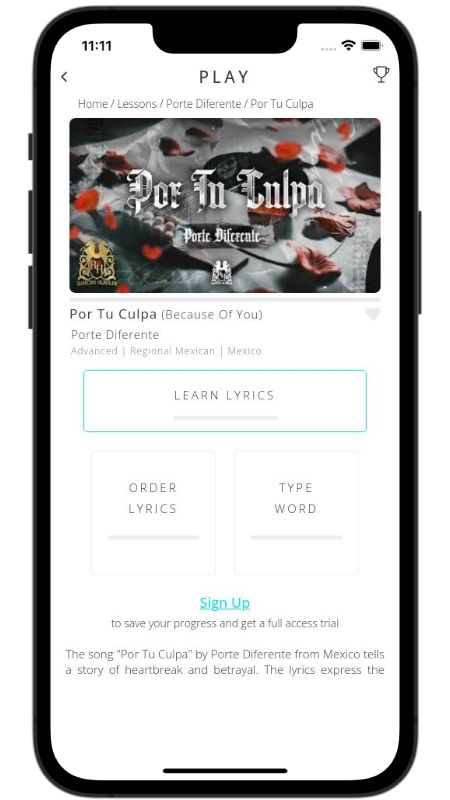
This song is a seriously bitter breakup anthem. Porte Diferente sings to an ex who he feels completely betrayed him. He lays it all out: he was totally in love, saying, "Yo te amaba mucho, eso no voy a negar" (I loved you a lot, I'm not going to deny that), but she was just faking it. The heartbreak was so intense that it completely changed him. He declares, "Por tu culpa es imposible pa' volver a amar" (Because of you, it's impossible to love again).
He's not just sad, he's become cold and vengeful. The singer says his heart is now "una piedra" (a stone) and that he has turned into "Un diablito que busca amor para lastimar" (A little devil who looks for love to hurt). He now goes out with other women but makes sure not to get attached, even telling one, "¿A dónde está tu casa? Ahorita te voy a dejar" (Where is your house? I'm going to drop you off right now). It's a dramatic story of how one person's actions can cause someone to build a wall around their heart and decide to hurt others before they can get hurt again.