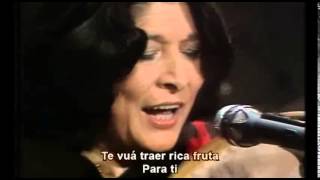
Solo Le Pido A Dios Lyrics in English by Mercedes Sosa
Desahuciado is a strong and evocative word that can mean 'hopeless' or 'evicted'. It carries a sense of being abandoned or given up on, often in a dire situation.
In the context of "Solo Le Pido A Dios," the line "Desahuciado está el que tiene que marchar a vivir una cultura diferente" uses desahuciado to describe the profound sense of despair and displacement felt by those forced to leave their homes and adapt to an unfamiliar culture. It highlights the emotional toll of such a drastic change, making it a poignant and memorable word in the song.
"Solo le Pido a Dios" is a prayer against indifference. León Gieco wrote it in 1978, and Mercedes Sosa's recording is the version most of Latin America knows.
Every verse asks for the same thing in a different way. The singer does not ask to be spared pain, injustice, war, deceit or exile. She asks only that none of it leave her unmoved, and that death not find her empty and alone without having done enough. The refrain names war directly: a huge monster that stomps hard on all the poor innocence of the people. The closing verse turns to the people forced out of their country to go and live a different culture, which is what Sosa herself had just lived through.
The Spanish is deliberately plain and repetitive, which makes the song a good one to learn from. "No me sea indiferente" comes back in verse after verse with a new noun in front of it, so the same subjunctive shape arrives six times carrying different vocabulary each time.