Tu Luz Quedó Lyrics in English by Matteo Bocelli, Sebastian Yatra
Fugaz means 'fleeting' or 'ephemeral'. It's a beautiful and somewhat rare adjective used to describe something that lasts for only a very short time.
In this song, Matteo Bocelli uses it to describe a love that, despite its intensity, was short-lived: "Fugaz fue nuestro amor" (Our love was fleeting). This word perfectly captures the bittersweet essence of a powerful but brief romance, making it both poetic and memorable.
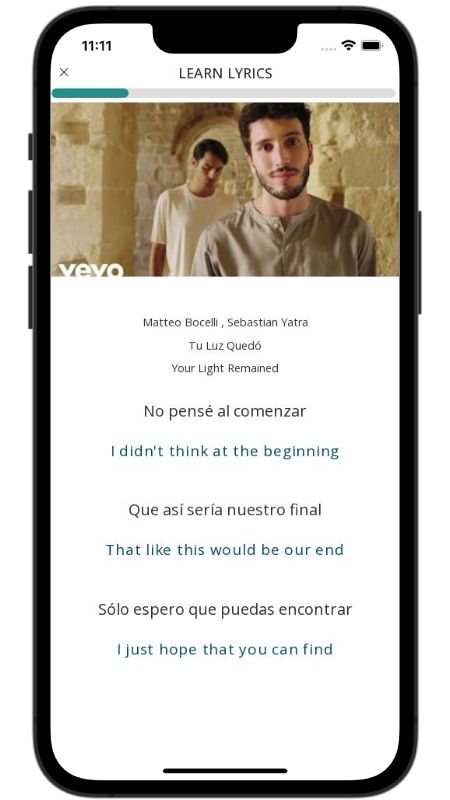
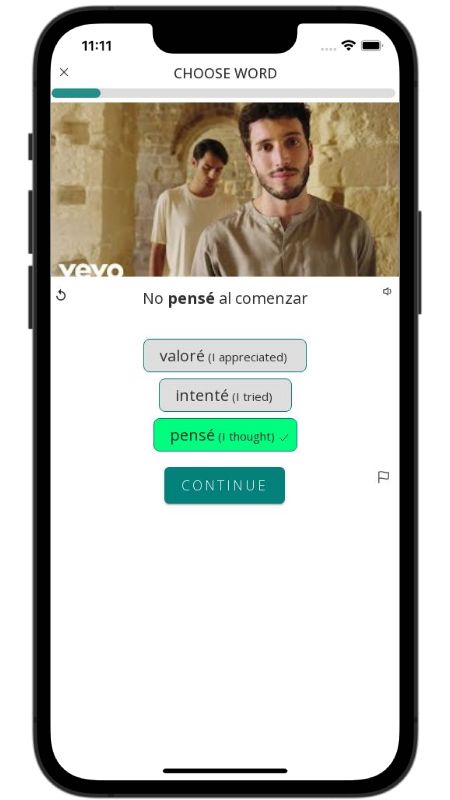
Italian singer Matteo Bocelli teams up with Sebastián Yatra for this pop ballad about the messy reality of realizing you messed up after it is already too late. Right from the start, there is no blaming the other person. The singer admits that he failed to offer happiness and took affection for granted, confessing, Me arrepiento porque tarde valoré que un 'te quiero' es un tesoro ("I regret it because I valued too late that an 'I love you' is a treasure"). In Spanish, valorar carries the weight of appreciating someone's worth before they walk away. He even owns up to his backward priorities with a blunt punchline: Te puse de última pero eras lo primero ("I put you last, but you were first").
Even though he accepts that the relationship is over (ya se terminó ["it's already over"]), letting go mentally is another story. He deals with the breakup by shutting out reality: Vuelvo a cerrar los ojos para así imaginarte cerca ("I close my eyes again so I can imagine you close"), calling it his trick to breathe life back into something they allowed to die. The song leaves you with a lingering, celestial metaphor. Their romance was fugaz ("fleeting" or "brief", like a shooting star), and while following her star was not enough to save them, her glow stays behind: Tu luz quedó ("Your light remained").