RAMEN PARA DOS Lyrics in English by Maria Becerra, Paulo Londra, Xross
Aferrada comes from the verb aferrar, which means "to grasp" or "to cling to tightly". It describes a state of being stubbornly attached to something or someone.
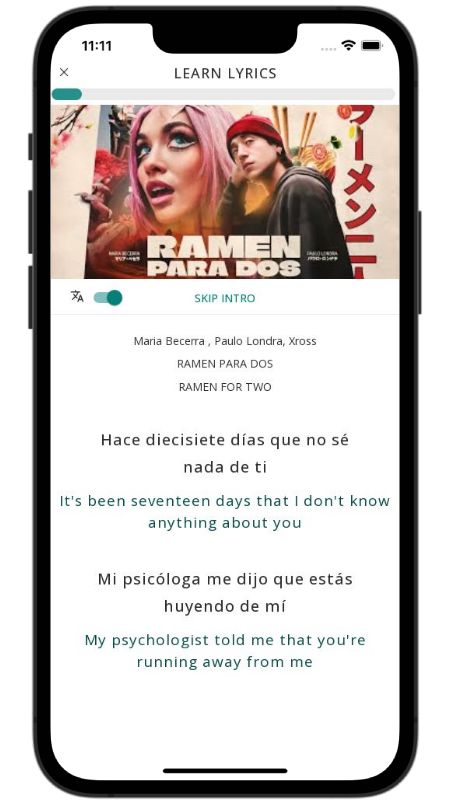
In the song, Maria Becerra sings "Sigo aferrada a algo que no existe" (I keep clinging to something that doesn't exist). She uses this powerful word to express her struggle to let go of a relationship that was never real, painting a vivid picture of emotional desperation.
RAMEN PARA DOS serves up a spicy, two-sided story about a “non-relationship” that hurts just like a real breakup. In her verses, María Becerra is stuck on rewind: she keeps ordering ramen for two, re-playing old voice notes, and camping outside an unanswered phone. With equal parts humor and heartbreak, she paints obsession as something almost cartoonish – walls that “talk,” therapists who shake their heads, and pop-culture shout-outs to Pucca, Garu, Helga, and Arnold.
Then Paulo Londra slides in with the other point of view. For him the intensity was too much, too fast, so he bailed to avoid deeper scars. He calls it “obsession, not love,” admits he is also in therapy, and begs for space because talking only makes things worse. Together, the voices clash and overlap, showing how two people can remember the same almost-romance in totally different ways. The result is a catchy urban-pop track that tastes bittersweet – like a lonely bowl of ramen that was meant to be shared.