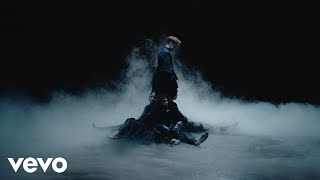
Danser Lyrics in English by Loïc Nottet
Mécènes translates to "patrons of the arts" or "sponsors." It's a less common word in everyday French, making it stand out.
In the context of the song, Loïc Nottet uses it to critique the pressure artists face to conform for approval and financial support. He sings about trying "d'se leurrer pour plaire aux mécènes" (to delude ourselves to please the patrons), highlighting the struggle between artistic integrity and commercial demands. This word adds a layer of social commentary to the lyrics.
Have you ever felt like you had to hide your true self to avoid judgment? Loïc Nottet's "Danser" [To Dance] is all about that struggle and the ultimate triumph of staying true to yourself.
He starts by remembering dancing alone in the changing room, "Avant qu'ils ne me voient, qu'ils ne me lacèrent" [Before they see me, before they tear me apart]. It's a powerful image of vulnerability and the fear of being hurt. He talks about sweating and going into a trance, bleeding on the floor, just trying to take his chance. But then he remembers the adults telling him to be normal, to not dream too much, because "songer n'donne pas d'argent" [dreaming doesn't give you money]. Despite all that, he never gave up. He tells us, "Pour le rêve, jamais, je n'te laisserai" [For the dream, I will never leave you]. It's a defiant anthem to pursuing your passions, even when others try to bring you down. He's basically saying, 'Go ahead, insult me, hit me, if it makes you feel better, but watch me dance!'