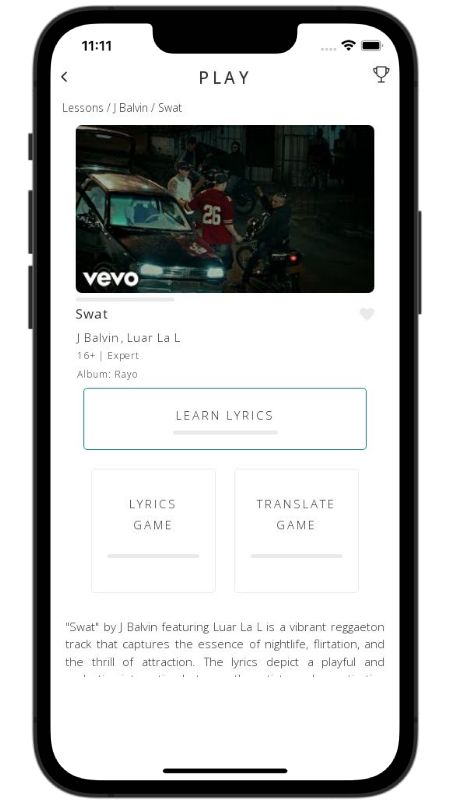
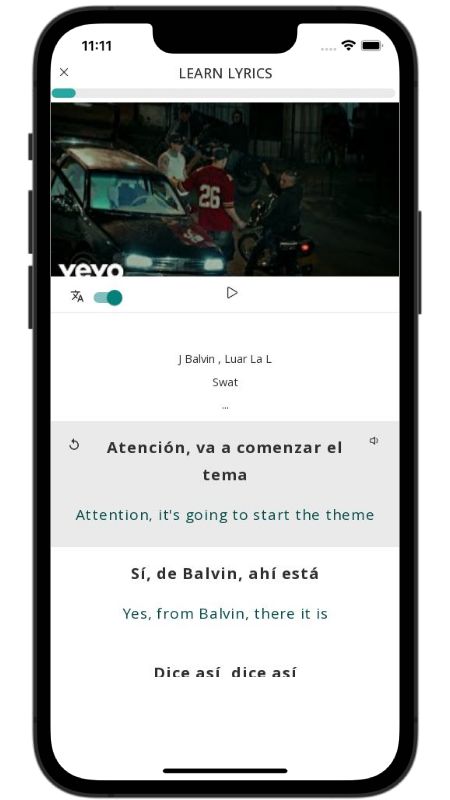
Swat Lyrics in English by J Balvin, Luar La L
Abusiva literally means "abusive" in Spanish, but in a colloquial and urban context, especially in reggaeton, it's often used to describe someone who is incredibly attractive, confident, and perhaps a bit daring or "over the top" in their appeal.
In this song, J Balvin uses it to compliment a woman, saying, "Y tú eres una abusiva, mami." He's not calling her literally abusive, but rather expressing that her beauty and presence are so striking and powerful that they're almost overwhelming, in a good way. It's a slang term that conveys a strong sense of admiration for her captivating nature.
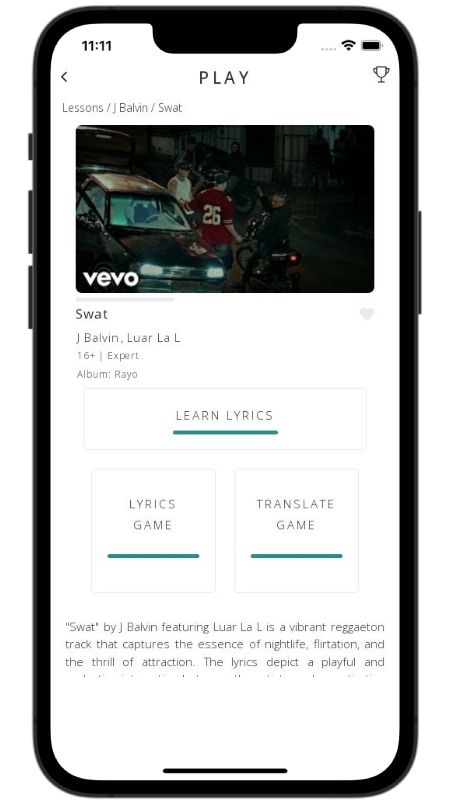
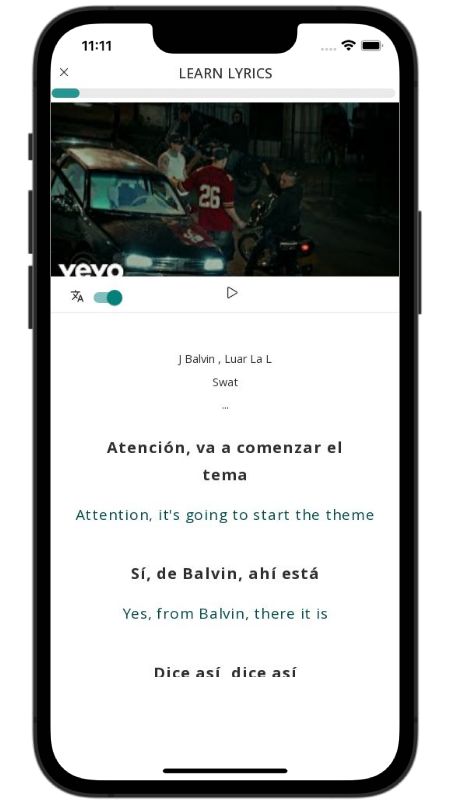
Think of “Swat” as a high-octane nightlife movie squeezed into three explosive minutes. J Balvin teams up with Puerto Rican rapper Luar La L to chase a fearless, free-spirited woman who has “escaped” her dull relationship and is ready for action. Over a pounding reggaetón beat, Balvin brags about Ferraris, designer closets and wild hotel escapades while she matches his energy with daring moves on the dance floor. The title Swat pops up when both artists describe rolling up to the club in black outfits and a luxury G-Wagon, ready to “raid” the night like an elite team on a mission.
Beneath the flashy cars and Gucci bags, the song is really a playful showdown of attraction. Slang like "bellaquear" (getting frisky) and "perreo" (grinding dance) paint a picture of sensual tension, but the woman is never passive—she negotiates what she wants, sets the pace, and even “hacks” Balvin’s senses with her attitude. In short, “Swat” is a swagger-packed anthem about seduction, freedom and living large, wrapped in the irresistible rhythm that made J Balvin a global reggaetón icon.