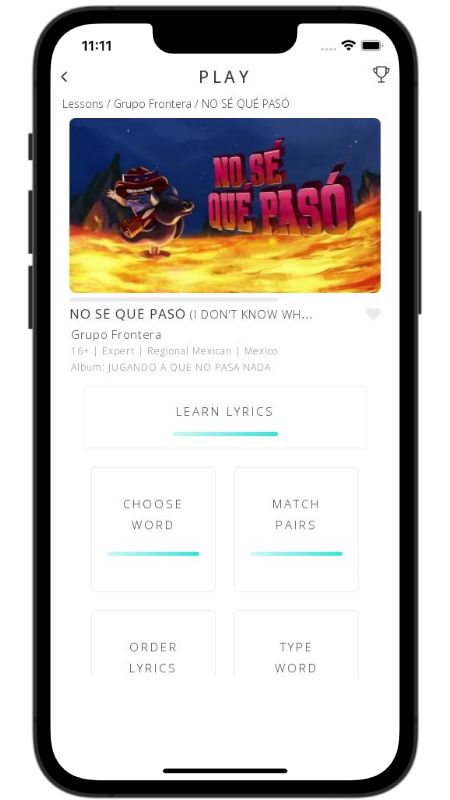
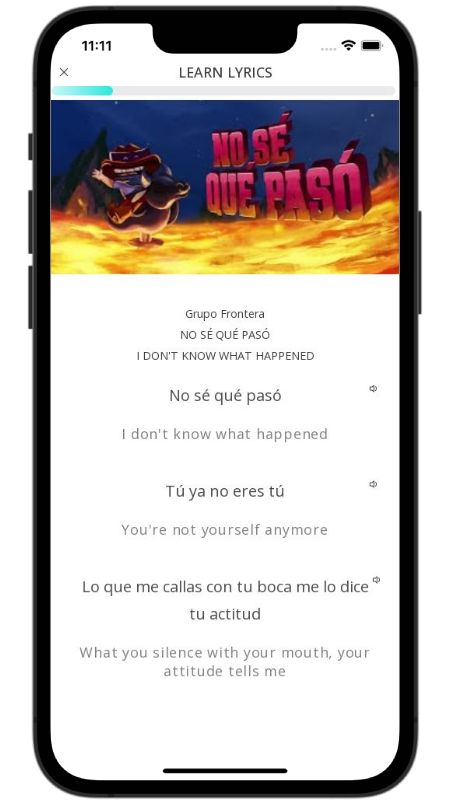
NO SÉ QUÉ PASÓ Lyrics in English by Grupo Frontera
Ánimas translates to "souls" or "spirits", often referring to the souls of the departed.
In this song, the artist is heartbroken and sings, "Voy a pedirle a todas las ánimas / Que me ayuden a pasar de página" (I'm going to ask all the spirits / To help me turn the page). This word is interesting because it evokes a sense of desperation and a plea to something beyond the ordinary, making it a unique and memorable choice for expressing deep emotional pain and the desire to move on.
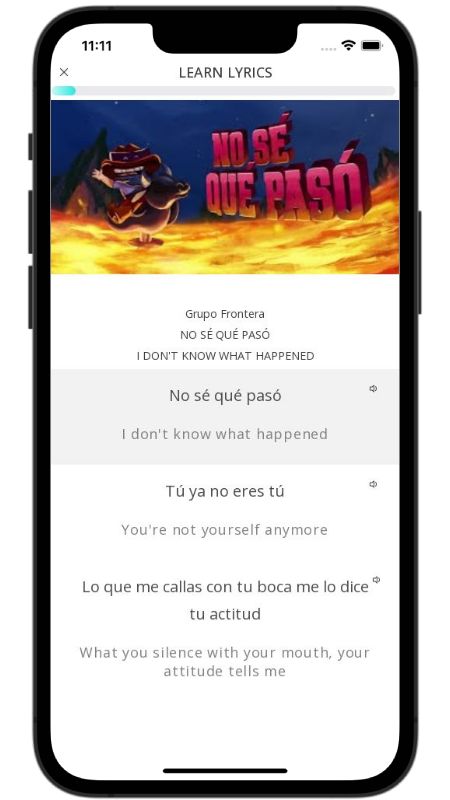
This song is all about that awful moment when you realize a relationship is over, even if nobody has said it out loud. The singer notices his partner has changed, saying, "Lo que me callas con tu boca me lo dice tu actitud" (What you don't say with your mouth, your attitude tells me). He's figured out the love is gone, and she's just pretending to be nice so she doesn't hurt his feelings. Instead of getting angry, he takes the high road in a really mature way. He tells her, "Si estar bien es no estar yo / Te lo juro que me iré" (If being well means me not being there / I swear I'll leave), putting her happiness first.
But just because he's being understanding doesn't mean he isn't completely heartbroken. He admits, "Yo me hago el fuerte, pero esto duele un montón" (I act tough, but this hurts a lot). His plan for dealing with the pain is pretty direct: drink a lot. He even has a darkly funny line where he says, "desde ya le pido perdón a mi riñón" (and right now I'm asking my kidney for forgiveness). It's a song that mixes a very selfless, loving attitude with the messy reality of coping with a breakup.