Catalina Santana Lyrics in English by Dorian Ampie
Pasamontañas is a distinctive Spanish word for a garment that covers the head and much of the face, often translated as “balaclava” or “ski mask.” It literally combines pasa (“passes through”) and montañas (“mountains”), evoking clothing worn in cold mountain environments.
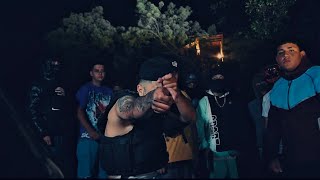
In the song, the word appears in the vivid line “todos con pasamontañas” (“everyone wearing ski masks”), adding a memorable, cinematic image to the scene. It is less common than everyday clothing vocabulary, making it an engaging word to learn.
Catalina Santana is Costa Rican street reggaeton with a cocky grin. Dorian Ampie plays a guy who came up from nothing and now has money, and the hook is aimed at a woman he thinks wants exactly that: "Tú quieres plata Catalina Santana" [You want money, Catalina Santana]. He even tells us what she plans to do with it: "Para ponerte rica y conocer todas las Bahamas" [To get yourself looking good and see all of the Bahamas]. The joke is that he doesn't mind one bit. He's flirting, bragging, and already halfway out the door with "perdón, la calle me llama" [sorry, the street is calling me].
The verses are all swagger. He calls himself "un pobre levantado" [a poor guy who rose up], compares himself to Tony Montana, the gangster from the film Scarface, and promises an all-inclusive trip to Punta Cana in the Dominican Republic. My favourite line is the silly one: "Yo bajo a romperla con pijama de Hello Kitty" [I show up to tear it up in Hello Kitty pyjamas]. A lot of the song is openly sexual and a bit much, and there are threats of violence aimed at rivals, so it's an adults-only listen. For learners it's packed with slang: plata and lana both mean money, perreo is the grinding reggaeton dance, guila is Costa Rican for a girl, and vale picha is a rude Costa Rican way of saying "I don't care."