No Habrá Nadie En El Mundo Lyrics in English by Concha Buika
Coplas are traditional Spanish folk songs or poetic verses, often telling passionate stories of love and suffering. This word is special because it connects the song to a rich history of Spanish musical tradition, especially flamenco.
In the lyrics, the singer imagines singing "coplas viejas" (old folk songs) to their lost love. This evokes a deep sense of nostalgia and a timeless, culturally-rooted romance, making it a perfect word for anyone learning Spanish through music.
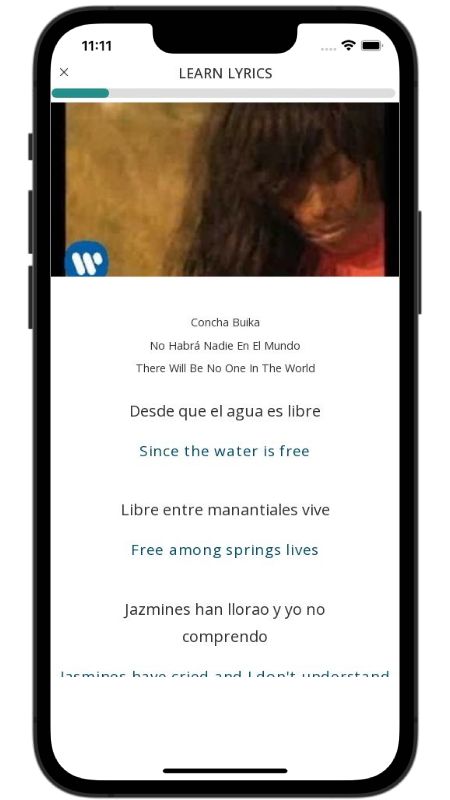
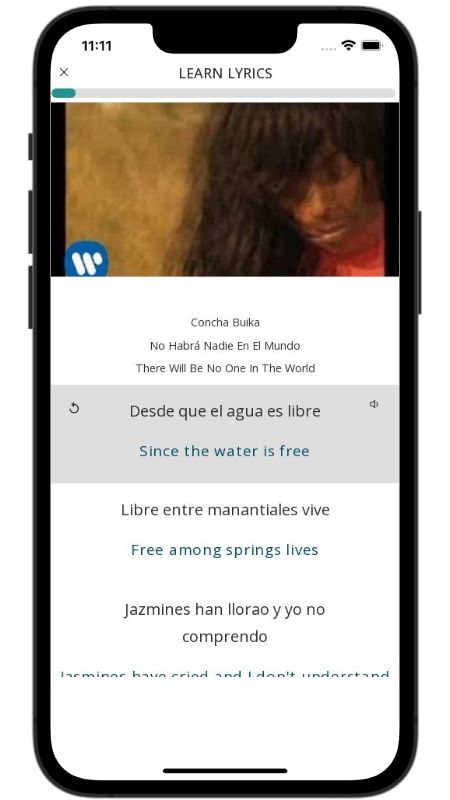
Spanish singer Concha Buika delivers a blast of pure heartbreak in "No Habrá Nadie En El Mundo", and she does not sugarcoat a single detail. The central ache comes from pure confusion: how could someone who gave so much love turn around and cause so much pain? She looks back at secret moments among the olive trees and contrasts the blooming natural world with the emotional wasteland left behind, singing, "Cómo en tus ojos, niña, sólo hay desierto" ("How in your eyes, girl, there is only desert"). While nature rests, she lies awake nursing the damage left by her lover's ego: "No habrá nadie en el mundo / Que cure la herida que dejó tu orgullo" ("There won't be anyone in the world / Who can heal the wound your pride left").
Yet, even with that open wound, the song refuses to let go of desire. Buika dreams up an intensely physical reunion filled with old folk songs (coplas viejas), promising "te como a besos" (literally "I eat you with kisses," an everyday Spanish idiom for smothering someone in kisses). She imagines them floating high where clouds move slow and time literally stops as she kisses her lover. It is messy, contradictory, and completely honest: she is furious at the pride that hurt her, but she still wants to drown that person in kisses the second they walk back through the door.