La Intención Lyrics in English by Christian Nodal, Peso Pluma
Ajena is a fascinating adjective that translates to 'belonging to someone else', a powerful concept that lacks a direct single-word equivalent in English.
In regional Mexican music, referring to a person as ajena specifically means they are already in a committed relationship with another partner. Christian Nodal uses this word to confess his intense attraction to a woman who is taken, perfectly capturing the forbidden drama and temptation at the heart of the song.
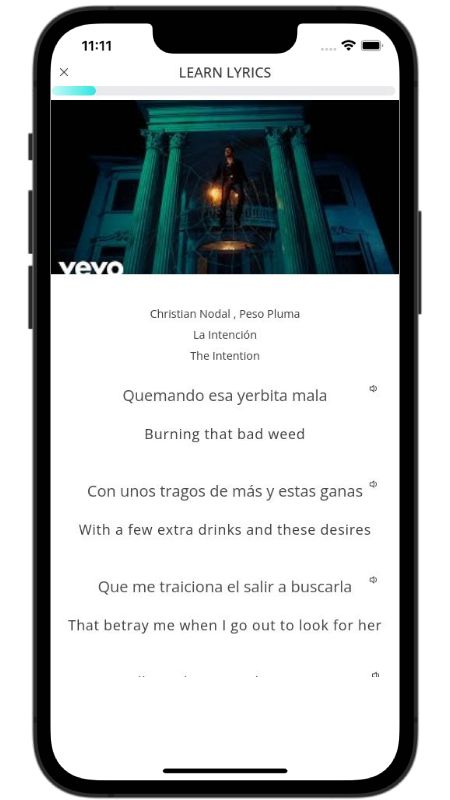
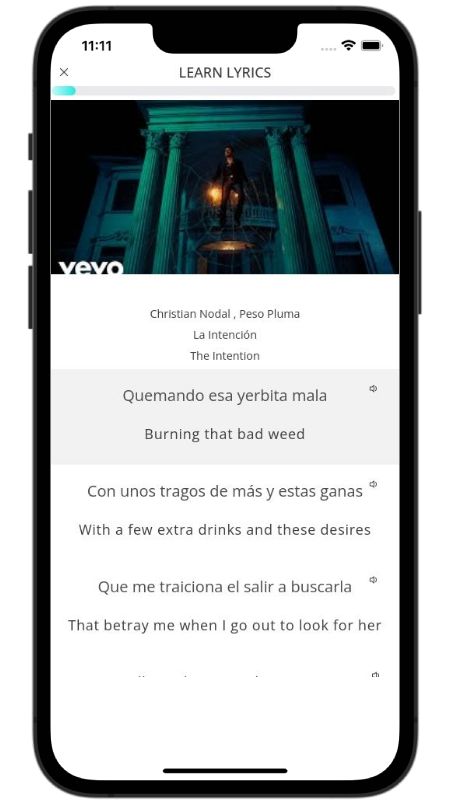
Mexican superstars Christian Nodal and Peso Pluma team up to deliver a messy, high-stakes anthem about an irresistible forbidden romance. Right from the start, late-night bad habits and temptation take the wheel as Nodal sings about "quemando esa yerbita mala / con unos tragos de más" ("burning that weed / with a few drinks too many"). The narrator knows he is playing with fire. The woman he desires belongs to someone else, but he openly admits he does not care with the blunt line "me vale verga que tú seas ajena" ("I don't give a damn that you belong to someone else"). Mexican slang carries the heat here: when he claims "pa' los problemas soy más cabrón que al que traes de cabrón" ("for trouble, I'm tougher than the sucker you've got on a leash"), he uses cabrón in two different ways, contrasting being a formidable guy with being a whipped boyfriend.
The real sting comes during the chorus, where they mock the rival's wealth. He might buy her expensive gifts, but they point out "él te compra esos vestidos, pero yo te desvestí" ("he buys you those dresses, but I undressed you"). Even if the other partner treats her well, Nodal and Peso Pluma argue that genuine passion is missing, delivering the title hook: "en tu vida no hay pasión, aunque tenga la intención" ("there's no passion in your life, even if he has the good intention"). Peso Pluma adds his signature swagger, admiring her in the club (antro) where she shines brighter than his custom diamonds. It is boastful, chaotic, and fully aware that even if his soul burns in hell for this affair, he thinks it is totally worth the price.