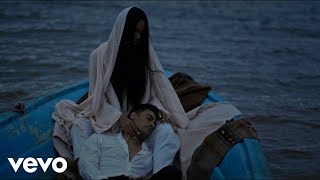
¿Quién Lo Hará? Lyrics in English by Carlos Rivera
Derrota translates to "defeat" and it's a strong, evocative word that goes beyond a simple loss. It implies a profound and often painful vanquishing.
In the context of the song, Carlos Rivera uses derrota to describe the overwhelming feeling of heartbreak and emptiness after a loved one has left. He sings, "Qué difícil continuar si es tan grande la derrota" (How difficult to continue if the defeat is so great), conveying the immense emotional weight of his loss.
Ever felt a house go from a home to just an empty space after someone leaves? In "¿Quién Lo Hará?", Carlos Rivera explores this very feeling of deep loss. He asks a series of heartbreaking questions: Who will leave the light on now? Who will make noise in the kitchen? Who will wake me up in the morning? These simple, everyday actions are now missing, leaving behind a profound silence and forcing him to live with the "ghosts" of what used to be.
This song is a powerful expression of regret and the struggle to heal. The singer wishes he could go back to the "sad day" his loved one said goodbye and change everything. He questions the old saying that "time heals all wounds," because even after so much time has passed, he still doesn't know how to be alone. He describes his soul as being so "broken" that there is no "thread that can repair it," capturing the immense difficulty of moving on from a great love.